
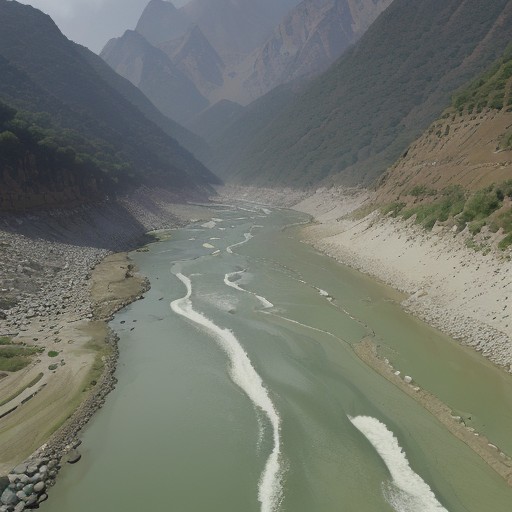
The Dihang River: A Vital Artery of Southeast Asia
The Dihang River, often referred to interchangeably as the Lancang River, is a majestic waterway that traverses through Southeast Asia, flowing from the Tibetan Plateau into the heart of the Mekong Delta. Spanning approximately 4,350 kilometers, it is not just a river; it is a lifeline for millions, a source of both sustenance and controversy. This article delves into the significance, challenges, and cultural richness surrounding the Dihang River, inviting readers to explore its depths and implications.
A Historical Perspective: The Dihang River Through Time
Historically, the Dihang River has served as a vital trade route, connecting diverse cultures and economies across Asia. Its origins can be traced back over thousands of years, playing an integral role in the livelihoods of local communities. From the Tibetan highlands to the lush landscapes of Vietnam, the river has witnessed the ebb and flow of civilizations, marking significant events that shaped regional dynamics.
Controversial Dams: The Battle for Control
In recent years, the construction of dams along the Dihang River has sparked heated debates. While proponents argue that these dams are essential for hydroelectric power and flood control, critics raise concerns about environmental degradation and the displacement of indigenous communities. The Chinese government’s ambitious hydropower projects along the river have faced backlash from neighboring countries, particularly downstream nations like Laos, Cambodia, and Thailand, who fear the ecological and economic repercussions.
The Ecological Impact: A River in Peril
As the Dihang River flows through various ecosystems, it serves as a habitat for a diverse range of flora and fauna. However, the rapid industrialization and damming of the river have led to alarming changes in its ecology. Fish populations are dwindling, and migratory patterns have been disrupted. Environmental activists are sounding the alarm, urging for sustainable practices to preserve the river’s natural beauty and biodiversity.
Cultural Significance: The River as a Life Source
The Dihang River is not merely a physical entity; it is deeply woven into the cultural fabric of the communities it nourishes. Local folklore and traditions celebrate the river as a sacred being, revered by indigenous tribes who depend on its waters for fishing, farming, and spiritual rituals. Festivals honoring the river reflect the symbiotic relationship between the people and their natural environment, showcasing the river’s role as a source of life and identity.
Tourism and Economic Opportunities: A Double-Edged Sword
With its breathtaking landscapes and rich cultural heritage, the Dihang River has become a focal point for tourism. Eco-tourism initiatives are emerging, offering visitors a chance to explore the river’s beauty while supporting local economies. However, this rise in tourism brings its own set of challenges. Local communities grapple with the impacts of commercialization, leading to potential conflicts over land use and resource management. Balancing economic development with environmental conservation remains a contentious issue.
Political Tensions: A River Divided
The Dihang River serves as a geopolitical flashpoint in Southeast Asia. Its waters cross multiple national borders, leading to competing interests and disputes over water rights. As countries vie for control over this precious resource, tensions rise, threatening regional stability. International cooperation is crucial to navigate these challenges, yet political agendas often complicate dialogue and consensus.
Climate Change: An Unseen Threat
As the world faces the looming threat of climate change, the Dihang River is not immune. Rising temperatures and altered rainfall patterns threaten its flow and the livelihoods that depend on it. Climate scientists warn that without immediate action, the river’s health and the communities along its banks could face dire consequences. This urgent situation calls for innovative solutions and a collective response to safeguard this vital waterway.
Innovation and Conservation: The Path Forward
In the face of these challenges, innovative conservation efforts are emerging. Grassroots movements and NGOs are advocating for sustainable practices that respect both the river’s ecology and the rights of local communities. This includes promoting responsible tourism, supporting traditional fishing practices, and engaging in dialogue with governmental bodies to address the impacts of damming and industrialization. Collaboration is key to ensuring the Dihang River remains a source of life for future generations.
The Global Perspective: What Can Be Done?
The Dihang River’s plight is not just a local issue; it resonates globally. As citizens of the world, we must reflect on our connection to rivers and the responsibilities that come with it. Supporting organizations that advocate for environmental justice, participating in conservation initiatives, and raising awareness about the importance of protecting our waterways can make a difference. We must unite in our efforts to preserve the natural world, starting with our rivers.
Conclusion: A Call to Action
The Dihang River is a symbol of resilience, cultural richness, and ecological importance. As we explore its depths, we must also confront the controversies and challenges it faces. By engaging in meaningful dialogue, advocating for sustainable practices, and protecting this vital waterway, we can ensure that the Dihang River continues to flow as a source of life, culture, and inspiration for generations to come. Join the conversation and take action to protect the Dihang River – because every drop counts.


