
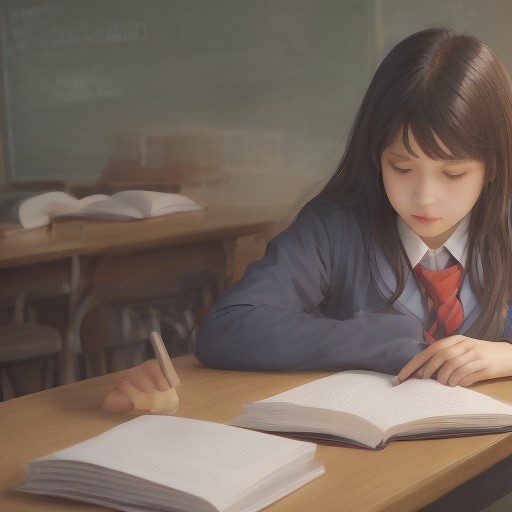
Introduction: The State of School Education in the U.S.
As the new academic year unfolds, the U.S. education system finds itself at a critical juncture. The challenges facing school education have sparked heated discussions among educators, parents, and policymakers alike. Recent studies and reports paint a stark picture of an education system struggling to meet the demands of a fast-evolving world. This article delves into the multifaceted issues plaguing U.S. schools, highlighting the urgent need for reform.
International Performance: Where Does the U.S. Stand?
When compared to other nations, the academic performance of U.S. students is nothing short of alarming. The Program for International Student Assessment (PISA) results have consistently shown that American students lag in critical subjects like math and science. Even in progressive states like New Jersey, which often ranks at the top nationally, the scores still fall short of countries like Singapore and Finland, renowned for their exceptional educational standards.
This mediocrity raises questions about the efficacy of the U.S. education system. With students in top-scoring countries exhibiting superior problem-solving skills and conceptual understanding, the gap is not merely statistical; it reflects a profound educational crisis that demands attention.
The Spending Paradox: More Money, Less Success?
One of the most perplexing aspects of the U.S. education system is its spending. The country invests more per student than many of its international counterparts, yet the results remain lackluster. Recent findings have led researchers to speculate that money alone cannot solve the underlying issues. Factors such as inequality, curriculum standards, and a cultural belief in education’s value play pivotal roles in shaping student outcomes.
For instance, countries with rigorous educational standards often prioritize academic achievement over extracurricular activities, such as sports. This focus allows students to develop a deeper understanding of core subjects, a luxury that U.S. schools may not fully embrace.
The Teacher Shortage: A Crisis in the Classroom
Perhaps one of the most pressing issues is the severe teacher shortage affecting American schools. A staggering deficit of over 280,000 public school teachers has emerged since the COVID-19 pandemic, leaving districts scrambling to fill vacancies. Some districts have even considered implementing a four-day school week as a desperate measure to attract and retain educators.
This shortage is not just a matter of numbers; it’s about the quality of education students receive. With fewer experienced teachers in the classroom, students are deprived of essential guidance and support, further exacerbating the existing educational disparities.
School Environment: Safety and Learning Conditions
The physical environment of schools also plays a crucial role in academic performance. Many schools across the country are grappling with inadequate facilities, ranging from outdated air conditioning systems to safety threats. The recent prevalence of the Hepatitis A virus has heightened concerns regarding sanitation and health within school premises.
Moreover, the impact of mental health issues among students cannot be overlooked. As schools implement enhanced safety measures, there is a growing recognition of the need for robust mental health support systems to help students navigate the challenges they face.
The Learning Experience: Affected by Pandemic Fallout
The COVID-19 pandemic has left an indelible mark on education, with students returning to classrooms facing numerous challenges. Many are struggling with reading skills and other core subjects, having fallen behind during remote learning. Schools now face the daunting task of providing additional support to help students catch up, which adds an extra layer of complexity to an already strained system.
Furthermore, inadequate air conditioning in classrooms during sweltering summer months has been shown to negatively impact students’ ability to focus and learn effectively. As temperatures rise, so does the urgency for schools to address these environmental issues.
Technological Integration: Opportunities and Challenges
In today’s digital age, the integration of technology into education is both a necessity and a challenge. With an increasing emphasis on using artificial intelligence across subjects, from English to art, schools are striving to remain relevant and competitive. However, the rising costs associated with technological resources, such as laptops and other school supplies, have posed significant barriers for many families, especially in light of recent inflation.
Teachers and students alike face the dual challenge of adapting to new technologies while navigating the economic realities of obtaining these tools. This brings forth questions about equity and access in education, highlighting the disparities that exist within the system.
Looking Forward: The Call for Comprehensive Reform
The complexities surrounding U.S. school education present a formidable challenge that cannot be ignored. The combination of poor international performance, inadequate spending efficiency, teacher shortages, environmental issues, and technological barriers paints a grim picture of the current state of education.
Comprehensive reform is essential if the U.S. hopes to elevate its education system to meet the demands of the 21st century. Stakeholders must engage in meaningful discussions to explore innovative solutions, such as:
- Implementing rigorous educational standards that prioritize academic excellence.
- Reevaluating funding models to ensure equitable distribution of resources.
- Enhancing teacher training and support systems to attract and retain quality educators.
- Improving school facilities to create safe and conducive learning environments.
- Integrating technology mindfully to enhance learning while ensuring accessibility for all students.
Conclusion: A Collective Responsibility
The future of school education in the U.S. rests on the collective shoulders of educators, parents, policymakers, and communities. As society evolves, so too must the education system that shapes the minds of future generations. By addressing the multifaceted challenges head-on and embracing a spirit of collaboration and innovation, there is hope for a brighter educational future.
What changes do you believe are necessary to turn the tide? The time for discussion and action is now. The future of education—and indeed the future of the nation—depends on it.


