
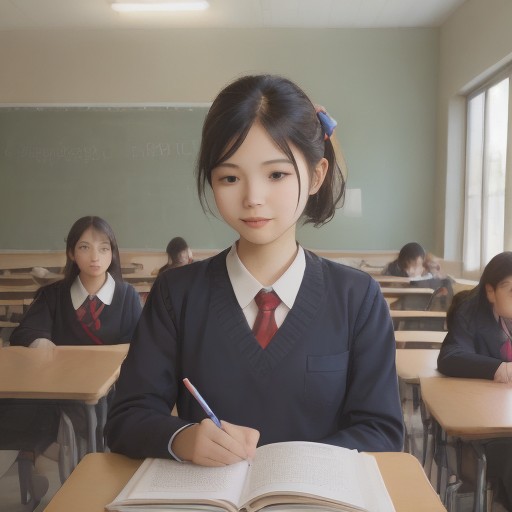
The Performance Gap: A Closer Look at International Standards
In a world where educational excellence is often measured in standardized test scores, the United States finds itself in a troubling position. Recent assessments, particularly the Program for International Student Assessment (PISA), reveal that American students are lagging behind their international peers. Despite the U.S. spending more on education than many other countries, the results tell a different story. States like Massachusetts and Florida, which have been heralded as educational bright spots, still struggle to match the performance levels of top-ranking countries such as Singapore and Finland.
This performance gap raises critical questions about the effectiveness of the American education system. Are we truly providing our students with the tools they need to succeed in a globalized economy? Or are we merely perpetuating a cycle of mediocrity?
Insights from Students: What Exchange Students Reveal
To gain a deeper understanding of these education disparities, journalist Amanda Ripley sought the perspectives of students who participated in exchange programs in high-performing countries. Their observations are both eye-opening and troubling. Many exchange students noted that the school content in their host countries was considerably more rigorous. These students experienced less homework but found the material more challenging and engaging. Perhaps even more importantly, they reported a cultural belief in the value of education that seems to be lacking in many U.S. schools.
One telling observation was that sports and extracurricular activities did not overshadow the academic experience in these countries. In the U.S., athletics often take center stage, sometimes at the expense of classroom learning. This cultural difference prompts us to ponder: What is the true value we place on education?
The Teacher Shortage: A Crisis in the Classroom
Compounding the challenges facing American education is a severe teacher shortage. Since the onset of the COVID-19 pandemic, the U.S. has seen a staggering decline of over 280,000 public-school teachers. This shortage has left many districts scrambling for solutions, with some even adopting a four-day school week in a bid to attract and retain educators.
As schools struggle to fill teaching positions, the implications are dire. Students are left without adequate support, and the quality of education suffers. Are we sacrificing the future of our children for short-term staffing solutions?
Infrastructure Woes: Learning Environments Under Siege
The educational landscape in America is not just challenged by personnel shortages; many schools are also plagued by inadequate infrastructure. In some districts, functioning air conditioning is a luxury rather than the norm, affecting students’ ability to learn during the sweltering summer months. In extreme cases, schools have even had to cancel classes due to a lack of drivers, highlighting the systemic issues plaguing our education system.
The Philadelphia School District, for example, faces numerous challenges, from deteriorating building conditions to looming school closings and consolidations. The question remains: How can we expect students to thrive in environments that are not conducive to learning?
Financial Strain: The Weight of Student Debt
Financial factors also play a significant role in the education crisis. With student loan debt in the U.S. climbing to nearly $1.8 trillion, many graduates find themselves shackled by financial burdens that delay their transition into independent adulthood. This debt can hinder essential life milestones, such as purchasing homes or starting families.
However, there are avenues for financial relief. Programs like military tuition assistance, the GI Bill, and various scholarships offer hope to students seeking to alleviate the financial strain of higher education. Yet, these options are often underutilized or inaccessible to those who need them most. Are we doing enough to ensure that education remains a viable path for all?
Technology in Education: A Double-Edged Sword
As we navigate the complexities of modern education, technology has emerged as both a boon and a challenge. Schools are increasingly integrating artificial intelligence into their curriculums, enhancing learning experiences across subjects from English to art. However, this transition is not without its concerns. The rapid adoption of technology necessitates careful planning and consideration to avoid widening the educational divide.
While AI has the potential to personalize learning and make education more accessible, it also raises questions about equity and resource allocation. Will all students benefit equally from these advancements?
Community Support: The Backbone of Educational Success
In addressing the myriad challenges facing American schools, community support is more crucial than ever. Educational departments, such as those in New South Wales, Australia, emphasize the importance of lifelong learning, starting from early childhood through vocational education and training. These departments provide resources that empower parents and caregivers to support their children during critical transitions.
By fostering a culture of community involvement and continuous education, we can create a robust support system for our students. How can we replicate these successful models in the U.S.?
Conclusion: A Call to Action
The state of school education in the United States is at a crossroads. As we face a multitude of challenges, from poor international performance to teacher shortages and financial burdens, it’s imperative that we take action. By investing in our educators, improving infrastructure, and fostering a culture of support and community involvement, we can begin to turn the tide.
It is time to reassess our priorities and commit to reforming our education system for the betterment of future generations. The future of our children—and indeed the future of our nation—depends on it. What role will you play in this critical transformation?


