
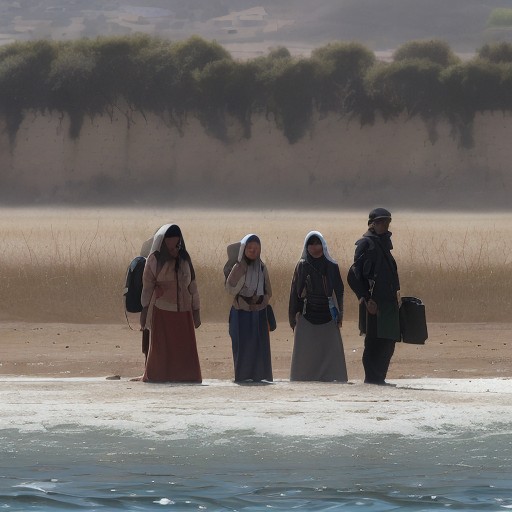
Introduction: A World on the Move
In an increasingly interconnected world, immigration is a hot-button issue that evokes strong emotions and fervent discussions. With millions of people crossing borders for work, better living conditions, or safety, the complexities of immigration laws and policies have come under intense scrutiny. Recent developments in countries like Portugal and the United States highlight the varying approaches to immigration, revealing a landscape fraught with challenges and opportunities.
Portugal’s Immigration Surge: A Case Study
Portugal has recently witnessed a remarkable shift in its immigration landscape, experiencing a staggering 95% increase in permanent immigrants over just two years, according to the National Statistics Institute (INE). This surge is driven by a combination of factors, including economic opportunities and the country’s welcoming stance towards foreigners. However, this growth raises questions about the sustainability of such policies and the need for comprehensive integration strategies.
The newly appointed president of Portugal’s National Council for Migration and Asylum, António Vitorino, argues that while skilled immigrants are essential for economic growth, they alone cannot fulfill the labor demands across various sectors. He emphasizes the need for a broader and more diverse immigration strategy to fill crucial roles in agriculture, fishing, hospitality, tourism, and construction. Vitorino’s vision calls for a balanced approach that not only addresses labor shortages but also fosters social cohesion and integration.
The Integration Challenge
As immigration increases, so does the necessity for effective integration policies. Vitorino has highlighted the importance of avoiding stereotypes that label those uncomfortable with migration as racists. This sentiment resonates in many parts of the world, where the narrative surrounding immigrants is often polarized. Portugal’s approach seeks to create a society where diversity is celebrated and newcomers feel welcomed.
However, the path to successful integration is fraught with challenges. Questions of cultural identity, social acceptance, and economic contribution linger in the background. How can countries ensure that immigrants are not only welcomed but also empowered to contribute meaningfully to their new communities?
The U.S. Immigration Conundrum
In stark contrast, the United States continues to grapple with its own complex immigration issues. The ongoing debate around immigration policies has become a defining feature of American politics, particularly following the contentious administrations of former President Donald Trump and current President Joe Biden.
Trump’s administration was known for its tough stance on immigration, advocating for mass deportations and strict border controls. These measures sparked widespread controversy and division, igniting protests and calls for reform. Critics argue that such policies are inhumane and economically detrimental, potentially harming the sectors that rely heavily on immigrant labor.
Economic Implications of Deportation
Economists have warned that deporting immigrant workers could significantly harm the U.S. economy. Many industries, from agriculture to technology, depend on immigrant labor to function effectively. The loss of skilled and unskilled workers could lead to labor shortages, increased costs, and a slowdown in economic growth.
Under the Biden administration, the focus has shifted towards reassessing asylum policies and addressing the humanitarian aspects of immigration. However, challenges persist, with proposals to tighten restrictions and controversies surrounding the treatment of migrants at the border. The balancing act between enforcing immigration laws and maintaining a humane approach remains a contentious issue.
Global Immigration Trends: A Complex Web
Looking beyond Portugal and the U.S., global immigration trends reveal a similar complexity. Countries worldwide are grappling with how to manage influxes of immigrants while addressing economic needs and security concerns. The deportation of immigrant workers has far-reaching implications, affecting not just those who are deported but also local communities and economies.
As nations strive to craft policies that reflect their values and needs, the discourse around immigration continues to evolve. Countries like Canada and Australia have adopted more welcoming immigration policies, recognizing the economic and cultural contributions of immigrants. In contrast, others have taken a more restrictive approach, often fueled by political rhetoric and public sentiment.
The Role of Public Opinion
Public opinion plays a crucial role in shaping immigration policies. As fears of job loss, cultural dilution, and security threats rise, governments often find themselves under pressure to respond. This dynamic can lead to reactive policies that may not address the root causes of immigration or enhance social cohesion.
In Portugal, Vitorino’s approach to integration seeks to counteract negative stereotypes and promote a narrative that values diversity. The challenge lies in fostering a culture of acceptance while addressing legitimate concerns about immigration’s impact on society. Can a nation truly thrive when its citizens are divided over immigration?
Conclusion: A Call for Balanced Immigration Policies
As we navigate the complexities of immigration in today’s world, it is clear that there are no easy answers. Countries like Portugal are taking proactive steps to embrace immigration, while others, like the United States, continue to grapple with contentious policies and public sentiment.
The path forward requires balanced immigration policies that recognize the economic contributions of immigrants while addressing societal concerns. Nations must work towards integration strategies that promote understanding, acceptance, and shared values. Only then can we hope to build communities that thrive on diversity, innovation, and resilience.
As the immigration debate unfolds globally, it invites us all to reflect on our values and the kind of society we wish to create. Are we ready to embrace the complexities of immigration, or will we continue to let fear and division dictate our policies? The future of immigration will undoubtedly shape our global society, and it is up to us to ensure it is a future of hope and opportunity for all.


