
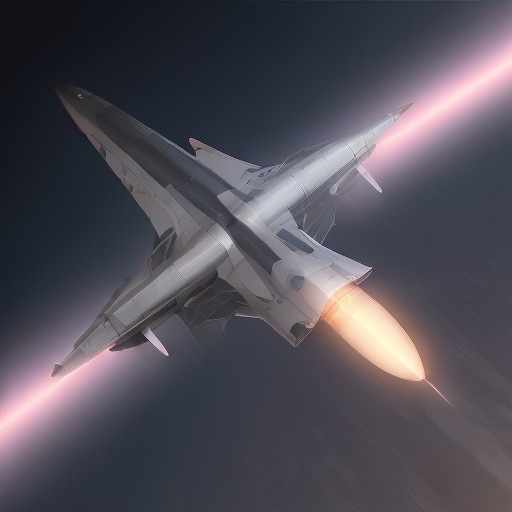
The Rise of Hypersonic Missiles: A New Era in Warfare
In the realm of modern warfare, technology continues to evolve at a breakneck pace, with hypersonic missiles emerging as some of the most advanced and formidable weapons in military arsenals worldwide. These cutting-edge systems, designed to travel at speeds exceeding Mach 5—up to an astonishing Mach 27—represent a seismic shift in military strategy and capabilities. Their ability to maneuver unpredictably makes them a nightmare for traditional missile defense systems, forcing nations to rethink their defense strategies in a rapidly changing geopolitical landscape.
Leaders in Hypersonic Technology
As countries race to develop hypersonic missile technology, three nations stand out as frontrunners: Russia, China, and the United States. Each has made significant strides in hypersonic capabilities, with implications that resonate across global security dynamics.
Russia: The Pioneers of Hypersonic Warfare
Russia has established itself as a leader in hypersonic technology, boasting impressive systems such as the Avangard hypersonic glide vehicle (HGV). Capable of reaching speeds up to Mach 27, the Avangard is launched atop intercontinental ballistic missiles (ICBMs) and is designed to follow unpredictable trajectories, which makes intercepting it a daunting challenge for any missile defense system. Russia claims that this system is operational, providing a strategic edge that has left many military analysts concerned about the balance of power.
Another notable system is the Kinzhal, an air-launched missile deployed from MiG-31K fighter jets. This missile has already seen combat, notably during the Ukraine war, demonstrating its effectiveness with a range of approximately 2,000 kilometers. It showcases Russia’s commitment to integrating hypersonic capabilities into its active military operations.
Additionally, the Zircon cruise missile, designed for ship-launch, has tested speeds exceeding Mach 8, further solidifying Russia’s reputation as a pioneer in this cutting-edge technology.
China: The Emerging Power in Hypersonics
While Russia leads the charge, China is also making significant progress in hypersonic missile technology. Although specific details about its current capabilities are less publicly available, China’s investments in military technology suggest that it is a serious contender in this arms race. The nation aims to bolster its defense systems and deterrent capabilities, further complicating the global security landscape.
The United States: A Countermeasure Approach
The United States, while not the first to develop hypersonic missiles, is heavily investing in countermeasures to address this emerging threat. The Glide Phase Interceptor (GPI) is being developed to intercept hypersonic threats during their critical glide phase, offering a potential defense solution against these high-speed missiles. The U.S. recognizes the urgency of keeping pace with its adversaries and is pouring resources into research and development to mitigate the risks posed by hypersonic technology.
Notable Hypersonic Systems and Their Capabilities
As the capabilities of hypersonic missiles become better understood, several notable systems have garnered attention for their speed, range, and strategic significance.
The Avangard: Russia’s Game-Changer
The Avangard system’s operational readiness is a point of pride for Russia, which claims it can outmaneuver existing missile defense systems. Its ability to travel at Mach 27 and follow unpredictable flight paths makes it a formidable deterrent against potential adversaries.
Kinzhal: The Air-Launched Threat
Russia’s Kinzhal missile stands out for its air-launched capability. Deployed from high-speed aircraft, this missile’s speed and range make it a versatile and dangerous weapon in combat scenarios. Its successful deployment during the Ukraine conflict underscores its operational effectiveness.
Zircon: Naval Power Reinvented
The Zircon cruise missile is a testament to Russia’s naval ambitions, capable of being launched from ships and submarines. Its speeds exceeding Mach 8 provide a tactical advantage in naval warfare, potentially altering naval engagement strategies in the future.
Countermeasures and Defense Systems: The Response to Hypersonic Threats
As hypersonic missiles threaten to outpace traditional missile defense systems, nations are scrambling to adapt their defensive technologies to counter this new class of weaponry.
NATO’s Strategic Adaptation
NATO is actively working to enhance its defense systems to counter the hypersonic threat. Upgraded early warning systems, including space-based sensors, are being prioritized to track these fast-moving targets. The alliance is also exploring the use of directed energy weapons, such as high-powered lasers, to neutralize hypersonic missiles during their glide phase. This proactive approach highlights NATO’s commitment to maintaining collective security in the face of evolving threats.
The United States’ Technological Edge
The U.S. military is investing in technology to ensure it remains at the forefront of hypersonic defense. The Glide Phase Interceptor (GPI) represents a significant advancement in intercepting hypersonic threats, focusing on the most vulnerable phase of their flight. This approach aims to safeguard American interests and deter potential aggressors, demonstrating a robust commitment to national security.
Operational Status and Recent Tests
While advancements in hypersonic technology are impressive, the operational status and testing of these systems can be unpredictable.
RS-28 Sarmat: The Satan II
The RS-28 Sarmat, colloquially known as Satan II, is a Russian intercontinental ballistic missile capable of carrying a variety of warheads, including hypersonic glide vehicles. Despite its claims of operational readiness, the Sarmat has faced challenges, with reports of four failed tests since its initial flight in 2022. This raises questions about the reliability of hypersonic systems and their potential impact on strategic stability.
Geopolitical Implications of Hypersonic Technology
The emergence of hypersonic missiles is reshaping global security dynamics, introducing a new layer of complexity to international military strategy. Their speed and maneuverability make traditional missile defense systems less effective, leading to heightened tensions and an arms race among nations.
A High-Stakes Arms Race
The race to develop hypersonic technology has led to increased military spending and a re-evaluation of defense strategies across the globe. As nations strive to gain an edge, the potential for miscalculations and misunderstandings grows, raising the stakes in international relations.
The Unpredictability Factor
The inherent unpredictability of hypersonic missiles complicates defense planning. As countries invest in these advanced systems, they must also contend with the possibility that their adversaries may respond with similar or more advanced capabilities, creating a cycle of escalation that could destabilize regional and global security.
Final Thoughts: The Future of Warfare
The development and deployment of hypersonic missiles signal a new era in military technology, fundamentally altering the landscape of warfare. As nations continue to race to innovate, the implications for international security are profound. The challenge lies in balancing advancements in military capabilities with the need for stability and peace in an increasingly complex world.
As the world watches this hypersonic arms race unfold, it raises critical questions about the future of warfare, the role of diplomacy, and the potential for conflict. Is the world prepared for the implications of these advanced weapons, or are we heading toward a new age of uncertainty and instability? The answers may shape the course of history in the years to come.


