
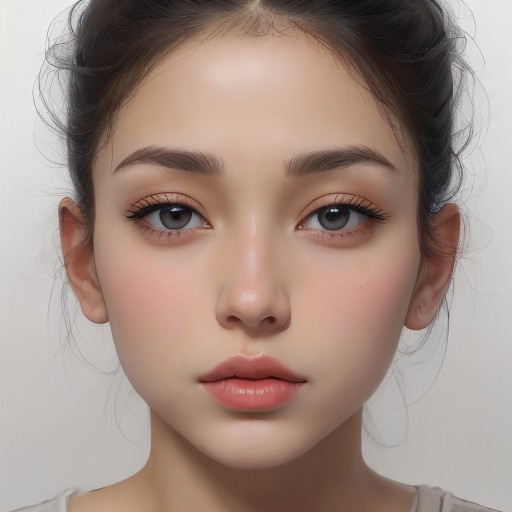
The Anatomy of the Face: More Than Just Features
The word “face” often brings to mind the image of a person’s features: the nose, eyes, mouth, and cheeks. In anatomical terms, the face is defined as the front part of the head, extending from the forehead to the chin. It is vital for human interaction, expression, and identity. Our face is often the first thing others notice, playing a crucial role in communication and socialization.
Recent studies suggest that our facial expressions can convey a wealth of information about our emotions—up to 90% of non-verbal communication relies on facial cues. This is particularly significant in today’s digital age, where emojis and GIFs attempt to replicate the nuances of human expressions. As we navigate a world increasingly dominated by screens, understanding the anatomy of the face can help us better interpret the emotions of others, whether in person or virtually.
Esports: The Face Off That Captivates Millions
In a completely different arena, the term “face” takes on a new meaning in the world of esports. The upcoming Global Esports: Face Off event, scheduled from November 18 to 23, 2024, is generating buzz among gaming enthusiasts. This event will showcase top-tier teams competing in various games, demonstrating skill, strategy, and teamwork.
As esports continues to rise in popularity, events like the Global Esports: Face Off provide a platform for players to showcase their talents on an international stage. With millions of viewers tuning in online, the event not only highlights the competitive spirit of gaming but also its cultural significance. This raises questions: How will the outcomes of such events influence the future of esports? Will we see a shift in how gamers are perceived in society?
The Political Face: Symbolism and Representation
Transitioning from the digital battlegrounds to the political arena, the term “face” also carries significant weight. A prominent political figure, often referred to as a party’s “face,” represents the ideals and values of their group. For instance, Devendra Fadnavis is heralded as the BJP’s most recognized face in Maharashtra, embodying the party’s vision and strategy.
This raises intriguing discussions about the implications of such representation. Does the identity of a party’s face affect voter perception? Can a single individual sway public opinion and election outcomes? In a world where image is everything, how does the public’s perception of a political face shape the narrative around policies and governance?
Sports Rivalries: Facing Off Against Adversaries
The term “face” is also prevalent in the realm of sports, where it signifies competition and rivalry. For example, in a thrilling sports matchup, fans might hear phrases like “Hoosiers face Buckeyes,” referring to the fierce rivalry between Indiana University and Ohio State University. Such statements evoke excitement and anticipation, highlighting the intense emotions that sports can elicit.
Sporting events often serve as a metaphor for broader societal conflicts, where teams become proxies for regional pride and identity. The implications of these rivalries can be profound, influencing not just the players and teams, but also fans and communities. What does it mean for a community to rally behind a team? How do these rivalries shape the culture of sports and the identities of the fans?
Exploring the Intersection of ‘Face’ Across Contexts
The multifaceted meaning of “face” prompts us to consider the interconnectedness of these various contexts. Whether we are discussing the anatomical definition, the competitive nature of esports, the representation in politics, or the fervor of sports rivalries, each interpretation of “face” reflects deeper societal values and trends.
In a world increasingly defined by visual culture and social media, the face has never been more central to our interactions—both online and offline. Each interpretation of “face” raises questions about identity, representation, and competition, inviting discussions about how these elements influence our perceptions and societal structures.
The Future of Faces: Trends to Watch
As we move forward into an era dominated by technology and rapid cultural shifts, the meanings and implications of “face” will likely evolve. The rise of virtual reality and augmented reality could redefine our understanding of facial expression and representation, blurring the lines between the physical and digital worlds.
Moreover, the political landscape is shifting, with social media playing an increasingly critical role in shaping public opinion. As political figures embrace platforms like Twitter and Instagram, the face of politics is becoming more relatable and accessible, yet also more scrutinized. How will this shift impact future elections and governance?
In sports, the increasing commercialization of events and the growing influence of social media mean that athletes are not just competitors; they also serve as brands and influencers. This dual identity can complicate the traditional notions of sportsmanship and rivalry. What responsibilities do athletes have as public figures in our interconnected world?
Conclusion: The Power of the Face
The word “face” encapsulates a multitude of meanings that resonate throughout various aspects of our lives. From the anatomical structures that define our individuality to the symbolic representations in esports, politics, and sports, the concept of “face” invites us to reflect on how we perceive ourselves and others.
As we continue to navigate the complexities of modern society, the implications of “face” will undoubtedly spark ongoing discussions. How we choose to engage with these meanings may shape our understanding of identity, culture, and competition in the years to come. As we look ahead, one thing is clear: the face—whether in anatomy, esports, politics, or sports—remains a powerful symbol of who we are and how we connect with the world around us.


