
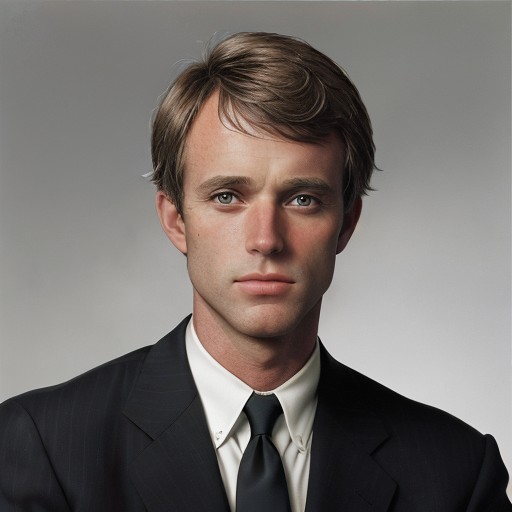
Unraveling the Legacy: Who is Robert F. Kennedy Jr.?
Robert F. Kennedy Jr., commonly known as RFK Jr., is a name that resonates deeply within the American political landscape. Born on January 17, 1954, he hails from the illustrious Kennedy family, being the son of Robert F. Kennedy, a former U.S. Attorney General and Senator, and the nephew of President John F. Kennedy. This lineage has undoubtedly placed RFK Jr. under the public’s watchful eye. But what defines him beyond his family ties? Let’s delve into the complex tapestry of his life, from his early years to his recent political endeavors.
Early Life and Education: Shaping a Future Leader
Growing up in a politically charged environment, RFK Jr. was exposed to the nuances of governance and social justice from a young age. His education at Harvard University solidified his foundational knowledge, further honed at the University of Virginia School of Law. With a robust educational background, he embarked on a career that would see him intertwine law with environmental activism.
Environmental Advocacy: The Fight for Our Planet
RFK Jr.’s career took off as an assistant district attorney in New York City, but his passion lay in environmental protection. He became a notable figure through his work with organizations like Riverkeeper and the Natural Resources Defense Council (NRDC). Notably, he led a 34-year campaign to shut down the Indian Point nuclear-power plant, arguing for a transition to renewable energy. However, this initiative faced criticism when carbon emissions in New York spiked by 37% post-closure compared to 2019 levels. This contradiction raised questions about the efficacy of his environmental strategies.
Founding Waterkeeper Alliance: A New Era of Environmentalism
In 1999, RFK Jr. founded the Waterkeeper Alliance, a nonprofit aimed at protecting waterways across the globe. Serving as its president until 2020, he championed the cause of water conservation and pollution reduction. Under his leadership, the organization gained momentum, yet RFK Jr.’s environmental legacy remains mixed, with critics pointing to the complexities and challenges of his initiatives.
Political Involvement: From Environmentalist to Anti-Vaccine Advocate
As RFK Jr. transitioned into the political arena, he became known for his controversial stance on vaccines. He is the chairman and founder of Children’s Health Defense, an organization that challenges vaccine mandates and advocates for vaccine safety. His claims linking vaccines to autism have been met with widespread backlash from the scientific community, igniting heated debates about public health and individual rights. The implications of his advocacy are profound, raising questions about the intersection of science, policy, and personal freedoms.
The 2024 Presidential Campaign: A Surprising Turn
In a dramatic twist, RFK Jr. announced his candidacy for the 2024 United States presidential election as an independent. However, in a surprising turn of events, he later abandoned his campaign to endorse former President Donald Trump. This decision has left political analysts questioning RFK Jr.’s motivations and the potential impact on the electoral landscape. His choice to support Trump, despite his controversial health policy stances, illustrates the unpredictable nature of modern politics.
Recent Activities: A Role in the Trump Administration
Despite his anti-vaccine views, RFK Jr. has found a niche within the Trump administration focused on health policy. Rumors of initiatives, such as advising on the removal of fluoride from public water systems, have emerged, suggesting a potential shift in public health discourse. This involvement raises eyebrows, sparking discussions about the influence of controversial figures in shaping policy.
Controversies and Criticisms: The Price of Advocacy
RFK Jr.’s journey has not been without controversy. His strong anti-vaccine stance has led to significant backlash, not only from the medical community but from many within his own family. As a member of the Kennedy dynasty, his divergence from established family values has sparked debates about loyalty, influence, and the responsibilities that come with public advocacy. The ramifications of his actions extend beyond personal beliefs, impacting public health policies and community trust.
The Broader Implications: RFK Jr.’s Influence on Public Discourse
RFK Jr. stands as a polarizing figure in contemporary politics, embodying the tensions between science, public health, and individual rights. His advocacy has invigorated a segment of the population skeptical of vaccines, while simultaneously alienating many who prioritize established scientific consensus. This dichotomy invites a broader discussion about the role of misinformation and the responsibility of public figures in shaping health narratives.
Public Reactions: A Divided Response
Public reactions to RFK Jr.’s views and actions are deeply divided. Supporters laud him as a champion of personal freedoms and environmental responsibility, while detractors label him as a dangerous propagandist undermining public health. The implications of this schism are profound, raising essential questions about the nature of advocacy, the power of celebrity in politics, and the responsibilities that come with influential platforms.
Future Prospects: What Lies Ahead for RFK Jr.?
As RFK Jr. navigates the complexities of his public persona, the future remains uncertain. His role in the Trump administration suggests a potential resurgence in political influence, but the challenges posed by his controversial views may limit his broader appeal. Will he continue to advocate for environmental issues, or will his focus remain on health policy? The answer may significantly impact the political landscape in the years to come.
Conclusion: A Complex Legacy
Robert F. Kennedy Jr. is a multifaceted figure, blending a rich legacy of environmental advocacy with contentious health policy stances. His journey from a member of a celebrated political family to a polarizing figure in modern politics raises critical questions about the responsibilities of public figures and the intricate relationship between science, policy, and personal belief. As RFK Jr. continues to carve his path, the world watches closely, ready to form opinions and engage in the ongoing discourse surrounding this complex legacy.


