
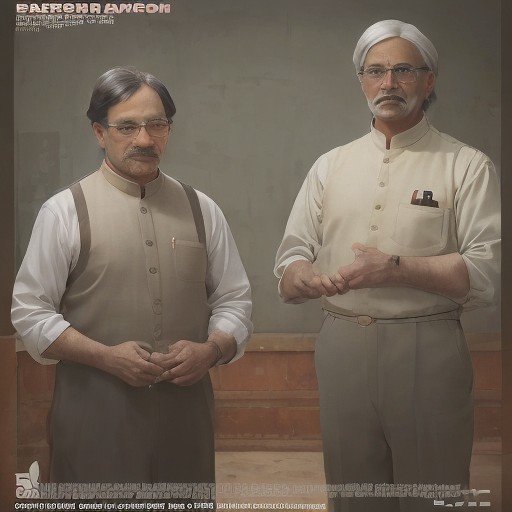
The Sabarmati Report: An Overview of the Film
“The Sabarmati Report” has taken the Indian film industry by storm, sparking intense discussions among audiences and critics alike. Directed by a visionary filmmaker, the movie attempts to unravel historical complexities surrounding a pivotal moment in Indian history. With a noteworthy cast led by the talented Vikrant Massey, the film aims to capture the emotional nuances of events that have shaped modern India.
A Mixed Bag of Reviews
Upon its release, “The Sabarmati Report” has garnered a spectrum of reviews, ranging from enthusiastic praise to critical disapproval. While some critics laud the film’s emotional depth and historical significance, others argue that it falls short of capturing the audience’s full attention. This dissonance raises questions about the film’s impact and its potential implications for viewers and the film industry as a whole.
Positive Reception: A Message That Resonates
Among the positive reviews, ABP Live highlighted a significant endorsement from Amit Shah, who praised the film for unveiling truths that have long been suppressed. This endorsement not only boosts the film’s credibility but also adds a layer of political intrigue, as it aligns the film with current narratives in Indian politics.
Moreover, The Hindu noted that the film delves deep into emotional territory, particularly commending Vikrant Massey’s performance. Fans have echoed this sentiment, celebrating his ability to bring depth to a complex character, making the historical events feel personal and relatable. The emotional weight carried by the performances allows audiences to engage with the historical context on a much deeper level.
Adding to the film’s accolades, News18 awarded it a respectable rating of 3.5/5, praising its exploration of intricate historical themes. The film’s ability to provoke thought and discussion about its subject matter speaks to its potential to influence public perception and understanding of the events it portrays.
Challenging Opening: Box Office Struggles
Despite the positive reviews, “The Sabarmati Report” faced a rocky start at the box office. On its opening day, the film earned a modest Rs 1.15 crore, a figure that raised eyebrows among industry experts who had anticipated stronger numbers. However, in a surprising turn of events, the film saw a significant increase on Day 2, raking in Rs 2.62 crore. This upward trajectory hints at the possibility of word-of-mouth marketing playing a crucial role in its future performance.
Critics have pointed out that the film’s initial performance may reflect a disconnect between critical acclaim and audience engagement. The Hindu noted that while the film is earnest in its storytelling, it might not captivate all viewers, suggesting that its narrative style may be a barrier to broader appeal. The question arises: will audiences embrace the film’s heavy themes, or will it be relegated to a niche audience?
Audience Reactions: The True Test
As with any film that tackles sensitive historical issues, audience reactions are paramount. According to News18, the film’s success hinges significantly on how well it is received by the public in the days following its release. This sentiment is echoed by social media users and film enthusiasts, who have taken to platforms like Twitter and Instagram to share their opinions, which range from passionate support to sharp criticism.
Some viewers have expressed that the film resonates deeply with their understanding of India’s history, while others feel it misses the mark. This divide has led to heated debates online, with many speculating about the film’s implications for historical discourse in India. Will it challenge longstanding narratives, or simply reinforce existing biases?
The Broader Implications of “The Sabarmati Report”
In a society that continues to grapple with its historical narratives, “The Sabarmati Report” stands at a crossroads. By focusing on a complex and often contentious period, the film invites audiences to reconsider their perspectives on history and its portrayal in popular media. However, this also opens the door for criticism and dissent, as different factions within society may interpret the film’s messages in various ways.
The film’s release comes at a time when cultural productions are increasingly scrutinized for their political implications. As such, “The Sabarmati Report” could become a touchstone for discussions about representation, historical accuracy, and the responsibilities of filmmakers in portraying sensitive topics. The mixed reviews and varied audience reactions only serve to amplify this discourse, making the film a significant cultural artifact in contemporary India.
The Future of Historical Films in India
The reception of “The Sabarmati Report” raises important questions about the future of historical films in India. As audiences become more discerning and engaged in discussions about representation and narrative, filmmakers may need to navigate these waters with greater care. The delicate balance between artistic freedom and historical fidelity will be tested as more films attempt to tackle complex narratives.
Moreover, as political climates shift, the interpretation of historical events may also evolve, influencing how films are created and received. “The Sabarmati Report” may serve as a precursor to a new wave of historical filmmaking that prioritizes emotional engagement without sacrificing the integrity of the story being told.
Conclusion: A Film for Discussion
“The Sabarmati Report” is more than just a film; it is a catalyst for conversation and reflection. With its blend of emotional depth and complex historical themes, it has the potential to resonate with audiences far beyond the silver screen. However, its mixed reviews and box office performance highlight the challenges that come with tackling such weighty subjects in cinema.
As audiences continue to share their opinions and engage in discussions about the film, it remains to be seen how “The Sabarmati Report” will ultimately be remembered. Will it be regarded as a bold attempt to confront uncomfortable truths, or will it fade into the background of the cinematic landscape? Only time will tell, but one thing is certain: this film has sparked a dialogue that is sure to continue long after the credits roll.


