
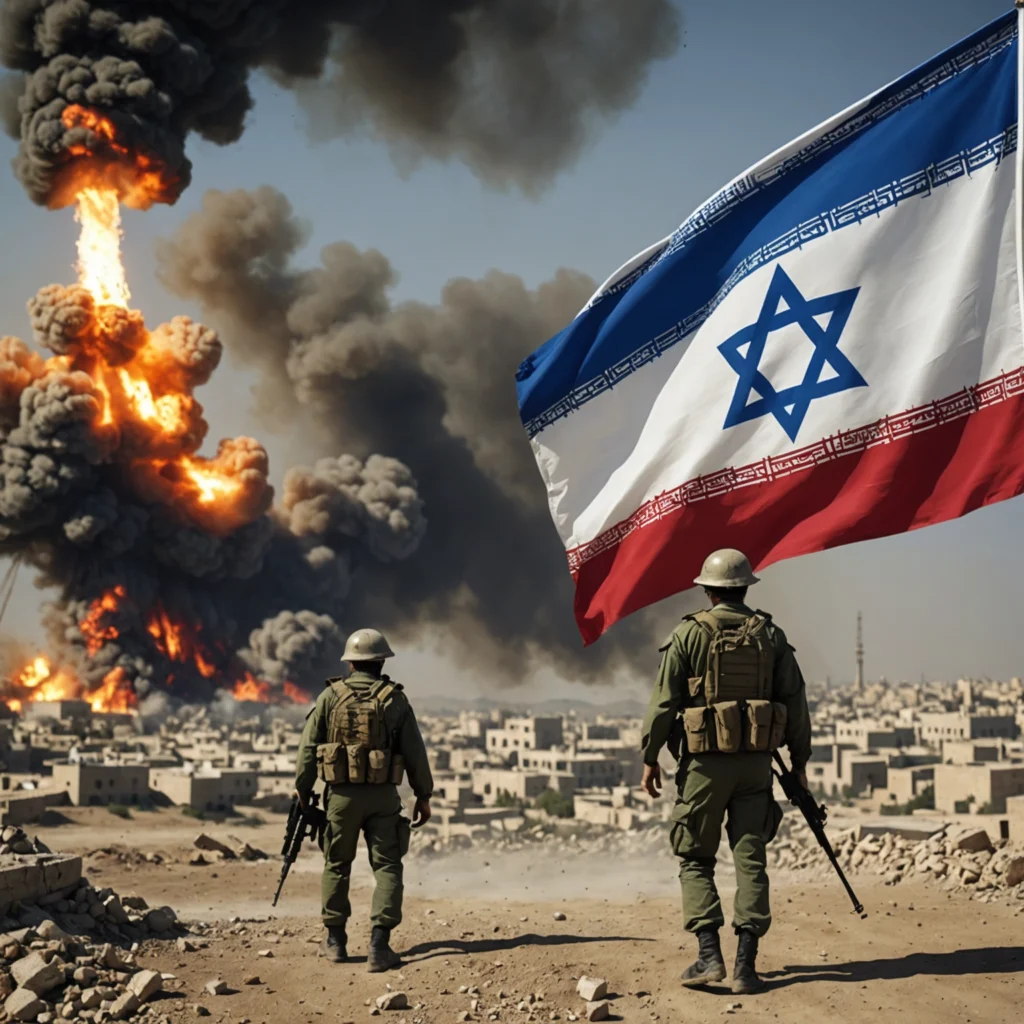
Recent Developments: A Dangerous Escalation
The ongoing conflict between Israel and Iran has reached new heights of tension, with both nations engaging in a series of provocative actions that threaten to spiral out of control. In recent weeks, Israeli forces have ramped up airstrikes targeting Hamas militants in Gaza and Hezbollah infrastructure in Lebanon. These military operations have resulted in significant casualties, with reports indicating at least 20 fatalities in northern Gaza and 24 deaths in Lebanon as of the latest updates.
Iran’s Retaliation: A Show of Strength
In response to Israel’s aggressive maneuvers, Iran has not remained silent. The Iranian leadership, known for its fiery rhetoric against Israel, has launched retaliatory measures, including a ballistic missile attack that occurred just this past Tuesday night. These missile strikes serve as both a warning and a demonstration of Iran’s military capabilities, with officials promising a “crushing response” to any further aggression from Israel or its ally, the United States.
Humanitarian Concerns: A Crisis Unfolding
As military tensions escalate, the humanitarian situation in Gaza grows increasingly dire. The Israeli military’s operations have severely impacted civilian life, with the United Nations reporting that access to essential supplies has been blocked in the northern regions of Gaza. This blockade affects tens of thousands of civilians, including 15,000 children under the age of 10, who are now facing critical shortages of food and medical supplies. The deteriorating conditions have prompted international outcry and raised urgent questions about the morality of continued military actions in such a densely populated area.
International Reactions: The World Watches
The global community is closely monitoring the situation, with particular attention from the Biden administration. Concerns have been raised regarding the humanitarian crisis, with officials warning that ongoing military aid to Israel might be reassessed if humanitarian assistance is not allowed into the besieged areas of Gaza. This statement highlights the delicate balance the U.S. must maintain between supporting its ally and addressing the growing humanitarian needs on the ground.
Financial Implications of the Conflict
In addition to the humanitarian toll, the costs of these military engagements are staggering. Iran’s latest missile barrage targeting Israel is estimated to have caused damages amounting to approximately $2.3 billion. These financial implications are not only a concern for the immediate parties involved but also for the broader stability of the region, as ongoing conflicts can lead to long-term economic ramifications and instability.
Future Possibilities: Speculation and Preparation
With both sides entrenched in their positions, speculation about the future of the Israel-Iran conflict is rampant. Analysts suggest that Iran may be preparing for a larger-scale attack, possibly utilizing drones and ballistic missiles as key components of their strategy. Israeli leaders are acutely aware of this potential escalation, with statements indicating a commitment to strike back against Hezbollah with increasing severity should the situation deteriorate further.
The Broader Implications: A Regional Powder Keg
The ongoing conflict between Israel and Iran does not exist in a vacuum; it is intertwined with broader regional dynamics and alliances. The involvement of Hezbollah, a key ally of Iran, complicates the situation further, as the potential for a multi-front conflict looms large. The possibility of a wider war raises alarm bells not only for the countries directly involved but for the entire Middle East and beyond.
Conclusion: A Call for Peace Amidst Chaos
As the situation escalates, the international community faces a critical moment in addressing the Israel-Iran conflict. The humanitarian crisis in Gaza demands urgent action, and both nations must confront the consequences of their military strategies. The potential for further escalation is high, and the impacts of this conflict could reverberate far beyond the region. It is imperative that diplomatic efforts be prioritized to prevent a catastrophic outcome that could affect millions of lives.
As the world watches, one thing is clear: the clock is ticking, and the stakes have never been higher.



