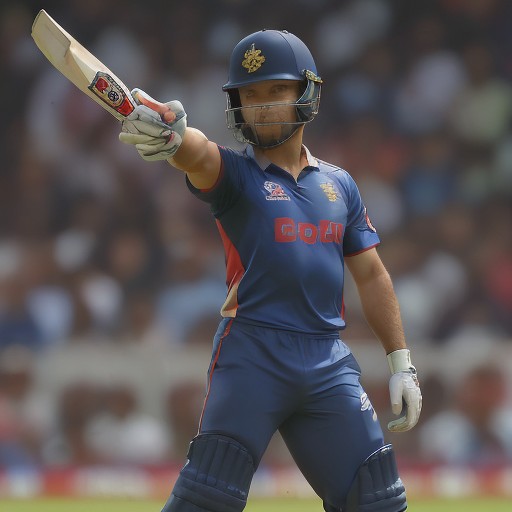
The Record-Breaking Match That Shook the Cricketing World
On December 1, 1996, the cricketing universe witnessed a monumental event that would forever alter the landscape of One-Day Internationals (ODIs). In a match against Australia at the R. Premadasa Stadium in Colombo, Sri Lanka unleashed a batting display that left fans and critics alike in awe. With a staggering total of 498 runs for just 4 wickets, Sri Lanka not only set the record for the highest ODI score but also created a benchmark that has yet to be surpassed. This historic game is still a hot topic of discussion among cricket enthusiasts, fueling debates over the implications of such high-scoring matches on the future of the sport.
A Closer Look at the Performance
The match started with Sri Lanka batting first, and what followed was a masterclass in ODI cricket. The team, led by captain Arjuna Ranatunga, showcased a blend of aggression and strategy. The players put on a display of extraordinary talent, with several key contributions that propelled the team to the highest ODI score ever recorded. The highest individual score in that innings was a staggering 189 runs by the legendary Sanath Jayasuriya, who, with his explosive batting, set the stage for this monumental achievement.
Australia, a formidable opponent, was left in disbelief as they took to the pitch after Sri Lanka’s innings. Despite a valiant effort, they could only muster 274 runs for 9 wickets, falling short by a staggering 224 runs. This match not only highlighted Sri Lanka’s prowess but also raised eyebrows about Australia’s bowling attack and their ability to cope with such high-pressure situations.
The Aftermath: Analyzing the Impact
In the aftermath of this incredible match, discussions erupted about what it meant for the future of ODI cricket. Critics argued that such high scores could lead to a significant shift in how the game is played. Would teams prioritize aggressive batting over traditional techniques? Would bowlers feel the pressure to adapt their styles to keep up with the changing dynamics of the game? The highest ODI score ever recorded became a talking point not just for its numbers but for the implications it carried for the sport.
Are We Witnessing a Shift in ODI Cricket?
Fast-forward to the present day, and the question still lingers: are we witnessing a change in the fabric of ODI cricket? With the rise of T20 formats and the increasing prevalence of high-scoring games, many are left to wonder if the traditional aspects of ODI cricket are being overshadowed. Matches with scores exceeding 300 have become increasingly common, pushing the boundaries of what teams consider a competitive total.
Critics of this trend argue that the essence of the game is being lost. They reminisce about the days when matches were decided not just by runs but by tactical acumen, where bowlers could still dictate terms. The fear is that the beauty of ODI cricket could be compromised in the relentless pursuit of higher scores. This debate has sparked various opinions within the cricketing community, with some advocating for rule changes to preserve the integrity of the game.
Memorable Moments and Controversies
Reflecting on the 498-run achievement, it’s impossible not to mention some of the controversies that surrounded it. The match wasn’t without its share of drama. Some critics claimed that the pitch conditions heavily favored the batsmen, leading to an unfair advantage. Additionally, debates on whether the Australian bowlers were underperforming or if Sri Lanka was simply too good that day continue to fuel discussions. Such controversies only add to the allure of the game, creating a rich narrative that keeps fans engaged.
Comparative Analysis: Other High Scores in ODIs
Since that fateful day in 1996, there have been several notable high-scoring matches that have attempted to challenge Sri Lanka’s record. One of the closest attempts came in 2015 when India posted a remarkable 494 runs against Sri Lanka, falling just short of the record. These near-misses serve to underline the incredible nature of the 498 score, as teams strive to reach new heights while also grappling with the challenges that come with such lofty expectations.
Furthermore, with the advent of advanced analytics and technology in cricket, teams now have access to a wealth of data that can help them strategize better. This further fuels the debate: will we see a time when teams regularly exceed the 400-run mark, or is Sri Lanka’s 498 a record that will stand the test of time?
The Role of Technology in Modern Cricket
As the game evolves, technology plays a crucial role in shaping how teams approach ODIs. The introduction of advanced analytics, player tracking systems, and data-driven strategies has transformed the way teams prepare and perform. Coaches and analysts can now dissect every aspect of the game, from individual player performance to team dynamics. This technological advancement raises another question: does it contribute to higher scores, or does it merely highlight the existing talent within the players?
In the context of the 498-run match, one cannot help but wonder how these modern tools would have influenced the game. Would Sri Lanka have reached such heights with the aid of data analytics, or was it simply a case of perfect execution on the day? The debate continues as teams and fans try to navigate the intersection of tradition and innovation in cricket.
The Future of ODI Cricket: What Lies Ahead?
As we look to the future, the highest ODI score of 498 remains a tantalizing benchmark. With new generations of cricketers emerging, the pressure to break records will undoubtedly intensify. However, the question remains: will the essence of ODI cricket be lost in the quest for higher scores? Or will teams find a way to balance aggressive batting with strategic gameplay? The cricketing community eagerly awaits the answers, as every match played could potentially rewrite history.
Moreover, as fans of the game, we must also consider the broader implications of these high-scoring matches. Will they influence how young players approach the sport? Will aspiring cricketers prioritize big hitting over traditional techniques? As cricket continues to evolve, it is vital that we preserve the rich history and traditions that make the sport what it is today.
Conclusion: A Record Worth Celebrating
The highest score in ODI history, 498 runs by Sri Lanka, remains an iconic moment that resonates with cricket fans around the world. It serves as a reminder of what is possible on the cricket field when skill, strategy, and sheer determination come together. While debates about the future of ODI cricket continue, one thing is certain: this record will forever be etched in the annals of cricket history, sparking conversations for generations to come.
So, as we gear up for future matches, let us celebrate the achievements of the past while keeping an eye on the horizon. Who knows? Perhaps the next great ODI score is just around the corner, waiting to capture our imagination once more.


