
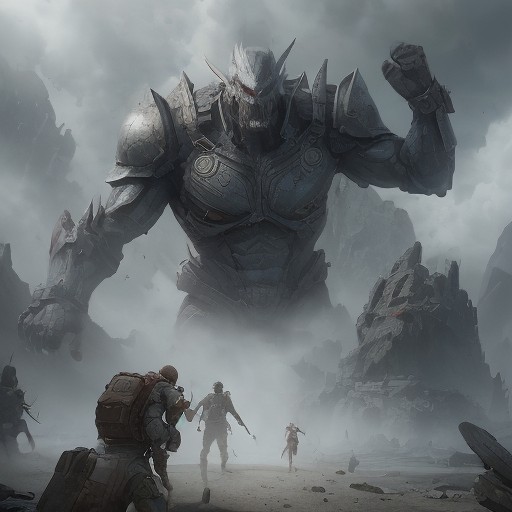
Introduction: What Makes Something Epic?
Epic—a term that has transcended time and context, igniting excitement and curiosity across various domains. Whether it’s the thrill of an immersive video game, the magic of a live concert, the joy of reading a captivating book, or the meticulous planning of project management, the word “epic” encapsulates grand experiences that resonate deeply with audiences. In this article, we will explore how the concept of “epic” manifests in Epic Books, epic concerts, Epic Games, and even in Jira project management, revealing the implications and reactions that surround each.
Epic Books: A New Era of Digital Reading
In a world teeming with digital distractions, Epic has emerged as a beacon for young readers. This digital library platform offers over 40,000 kids’ books, making classic literature, audiobooks, comics, and more readily accessible. With the rise of technology in education, Epic has not only revolutionized how children discover literature but also created a community of budding readers.
But is this digital revolution truly beneficial? While Epic provides incredible resources, some argue that it may inadvertently contribute to screen fatigue among children. Experts caution that while digital reading is convenient, it might not offer the same cognitive benefits as traditional book reading. As parents and educators grapple with this dilemma, the debate intensifies: Is the convenience of digital reading worth the potential downsides?
Epic Concerts: The Spectacle of Live Music
When we think of epic concerts, names like Taylor Swift and Beyoncé come to mind. These artists have redefined what it means to put on a show, transforming concerts into breathtaking experiences. Taylor Swift’s recent Eras Tour is a prime example, with tickets selling out almost instantly despite sky-high prices. Fans are clamoring for the chance to witness what has been described as a once-in-a-lifetime event, leading to a frenzy in the ticket market.
However, this trend raises eyebrows. Are concert prices spiraling out of control? Critics argue that the commodification of live music is alienating genuine fans who may not afford the soaring costs. As ticket scalpers thrive and resale prices skyrocket, a cultural shift is occurring—one that could redefine the concert-going experience. Are we witnessing the end of accessible live music? Or is this just a fleeting moment in the landscape of entertainment?
Epic Games: The Dominance of Digital Play
In the gaming world, Epic Games has carved out a massive niche, largely thanks to its blockbuster hit, Fortnite. This company has not only transformed gaming but also established a digital storefront that rivals traditional gaming platforms. The Epic Games Store offers a plethora of PC games, mods, and downloadable content, fostering a vibrant community of gamers.
But with great power comes great responsibility. Epic’s aggressive approach towards exclusivity has sparked controversy among gamers and developers alike. Many argue that by locking down titles to its platform, Epic is stifling competition and innovation in the gaming industry. Critics also express concerns about the long-term sustainability of such a business model. Is Epic Games paving the way for a brighter future in gaming, or are they creating a monopolistic environment that could harm the industry?
Epic in Jira: Project Management Redefined
In the realm of project management, the term “epic” takes on a different connotation. Within Jira, a popular project management tool by Atlassian, an “epic” refers to a high-level story that can be broken down into smaller, manageable tasks. This methodology allows teams to maintain focus on overarching goals while systematically tackling the nitty-gritty details.
As organizations increasingly adopt Agile methodologies, the term “epic” has gained traction. However, with this rise comes a new set of challenges. Some teams struggle with effectively managing their epics, leading to confusion and inefficiency. The question arises: Are we truly harnessing the power of epics in project management, or are they becoming a source of frustration? Discussions abound on how to optimize the use of epics in Jira, suggesting a need for clear guidelines and best practices.
The Cultural Impact of ‘Epic’
The versatile nature of the term “epic” underscores its cultural significance. Across different sectors, it represents a quest for extraordinary experiences—whether through books, concerts, games, or project management. As we navigate this evolving landscape, the implications of what we consider “epic” become increasingly pertinent.
In literature, the accessibility offered by digital platforms like Epic may democratize reading, yet it challenges the traditional value placed on printed media. The rise of epic concerts highlights the demand for memorable experiences, yet it also raises questions about inclusivity in the music scene. The dominance of Epic Games prompts discussions about competition and fairness in the gaming industry, while the use of epics in Jira encourages continuous improvement in project management practices.
Conclusion: The Ongoing Epic Journey
As we reflect on the multifaceted nature of the term “epic,” it becomes evident that it is not merely a buzzword but a reflection of our collective aspirations and challenges. In an age where experiences are increasingly commodified, the quest for the “epic” is more relevant than ever.
Ultimately, as we embrace the epic in all its forms, we must remain vigilant about the potential consequences. Will the pursuit of epic experiences lead to greater inclusivity and creativity, or will it deepen divides in access and opportunity? The answers lie not only in our choices but also in the conversations we foster around the term “epic.” Let us engage in this dialogue as we navigate the ever-evolving landscape of what it means to be truly epic.


