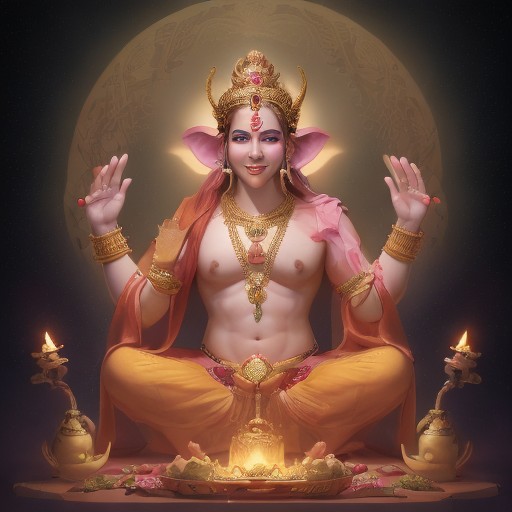
The Significance of Sankashti Chaturthi
Every month, millions of Hindus around the globe eagerly anticipate Sankashti Chaturthi, a revered lunar festival dedicated to Lord Ganesha, the elephant-headed deity known for wisdom and removing obstacles. This year, November 4, 2024, marks a particularly important date for devotees, as they prepare to fast, pray, and offer their devotion to Ganesha.
The Rituals and Their Importance
On Sankashti Chaturthi, devotees observe a day-long fast, which is broken only after sighting the moon in the evening. The rituals usually include special prayers, offerings of modaks (sweet dumplings), and the chanting of mantras. This ancient tradition is believed to bring peace of mind, prosperity, and the removal of difficulties.
Moon Sighting: A Central Element
One of the most intriguing aspects of Sankashti Chaturthi is the moon sighting. As darkness envelops the sky on November 4, devotees will be keenly looking for the moon’s emergence, a moment that signifies the end of their fast. But what happens if the moon is obscured by clouds? The implications can be profound, leading to a plethora of beliefs and superstitions surrounding the observance.
Recent Controversies: Is It Time for Change?
While the essence of Sankashti Chaturthi remains timeless, recent discussions have sparked controversy regarding the traditional methods of celebration. Some modern thinkers argue that the rituals surrounding this festival should evolve to better suit contemporary lifestyles. Could fasting still hold the same significance in a fast-paced world where meal schedules are often disrupted?
In 2024, the debate surrounding the observance of Sankashti Chaturthi intensifies. Traditionalists uphold the significance of fasting as a means of spiritual discipline, while progressives argue for flexibility in practice. This divergence raises questions about faith, tradition, and adaptation. Are we holding onto outdated beliefs, or is it essential to maintain these rituals to keep our cultural identity intact?
The Global Impact of Sankashti Chaturthi
As the world becomes increasingly interconnected, the reach of festivals like Sankashti Chaturthi extends beyond India’s borders. Cities like New York, London, and Sydney now boast vibrant Hindu communities that celebrate this auspicious day with grand processions, communal prayers, and cultural events. The global interest in this festival is a testament to the universal quest for spirituality and connection.
However, the growing popularity also raises questions about cultural appropriation. Are these celebrations enriching the local culture, or are they merely a commodification of sacred traditions? The answers may lie in how well these communities respect and integrate the core values of the festival into their observances.
Devotional Practices: A Personal Journey
For many, Sankashti Chaturthi is not merely a day of rituals; it is a deeply personal journey. Devotees often share stories of how their prayers to Lord Ganesha have led to miraculous changes in their lives. From overcoming obstacles in careers to finding love, the festival serves as a reminder of the divine connection that many individuals feel.
However, as faith is deeply personal, the diversity in experiences and interpretations can lead to differing opinions on the best practices to follow. Some adherents insist on strict adherence to tradition, while others feel a contemporary approach is more relatable.
Exploring the Cultural Significance
The cultural significance of Sankashti Chaturthi extends beyond individual devotion. It serves as a unifying force for families and communities, bringing people together for shared prayers and festivities. In a world that often feels divided, the festival reminds us of our shared heritage and the importance of collective spirituality.
Yet, with this unity comes the challenge of inclusivity. How do we ensure that all voices within the Hindu community are heard, especially those that may feel marginalized in traditional practices? The conversation surrounding inclusivity during Sankashti Chaturthi is essential for the future of the festival.
Modern Technology Meets Tradition
In an age dominated by technology, many devotees are turning to apps and online platforms to enhance their Sankashti Chaturthi experience. Virtual offerings, online prayers, and social media sharing have become commonplace, making the festival accessible to those who may not be able to attend in-person celebrations.
While this technological integration has its benefits, it also raises concerns about the dilution of sacred practices. Are we compromising the sanctity of our traditions for the sake of convenience? As we embrace technological advancements, it is crucial to strike a balance that honors the essence of Sankashti Chaturthi.
The Future of Sankashti Chaturthi
As we approach November 4, 2024, it is an opportune moment to reflect on the future of Sankashti Chaturthi. Will the festival continue to evolve with the times, or will it remain rooted in tradition? The ongoing dialogues about fasting, cultural significance, and technological integration will undoubtedly shape how future generations celebrate this auspicious day.
Ultimately, the heart of Sankashti Chaturthi lies in devotion and community. Whether through traditional practices or modern adaptations, the festival serves as a reminder of the power of faith and the universal quest for meaning in our lives.
Join the Conversation!
As we gear up for Sankashti Chaturthi on November 4, 2024, we invite you to share your thoughts and experiences. How do you celebrate this festival? Do you believe in adhering strictly to tradition, or do you think it’s time for a change? Join the discussion and let your voice be heard as we navigate the fascinating complexities of this beloved festival!


