
Introduction: A New Era of Connectivity
In an age where connectivity defines our daily lives, the Starlink Satellite Coverage Map is making headlines for its groundbreaking potential. As we transition into a world increasingly reliant on the internet, understanding where we can access high-speed connections is crucial. With Starlink’s innovative satellite network, millions across the globe, especially in rural and underserved areas, are on the verge of experiencing a digital revolution. But how do you navigate this new landscape? Let’s dive in!
The Power of Starlink: A Satellite Network Like No Other
Starlink, developed by SpaceX, aims to provide high-speed internet across the world using a constellation of low Earth orbit (LEO) satellites. As of late 2023, over 4,000 satellites have been launched, and more are set to follow. This ambitious project is designed to bridge the digital divide and ensure that even the most remote locations have access to the internet.
Finding the Coverage Map
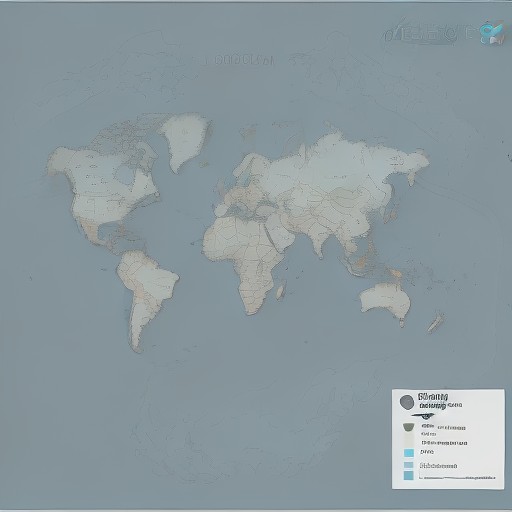
To explore the vast reach of Starlink, the live satellite and coverage map at Satellitemap.space serves as an invaluable resource. With real-time updates, users can see exactly where Starlink satellites are stationed and the areas they cover.
This interactive map not only displays coverage areas but also allows users to track satellite altitude history and chains. You can even export data to a CSV file for personal analysis—an invaluable tool for tech enthusiasts and researchers alike.
Real-Time Insights: What the Coverage Map Reveals
The coverage map is more than just a visual representation of satellites in the sky. It provides insights into areas that have claimed users, pre-orders, and regions with expressed interest in Starlink services. This transparency allows potential customers to gauge the viability of Starlink for their needs.
For example, regions that historically struggled with reliable internet access, such as rural farms or mountainous areas, can now see if they fall within Starlink’s coverage area. This is a game-changer for many who have felt neglected by traditional ISPs.
Local News and Maps: A Different Perspective
While Starlink’s map focuses on satellite coverage, local resources like WCRK (Wcrk.com) offer a different angle on geographic information. Although WCRK is primarily dedicated to local news and community events, it can provide insights into how connectivity issues impact local happenings. This dual approach of satellite and local information creates a fuller picture of connectivity in any given area.
Broadening the Scope: Other Coverage Maps
Outside of satellite internet, coverage maps play a crucial role in various sectors, including politics and public service. For instance, during election seasons, platforms like OPB provide coverage maps that reveal voting trends and results across different regions. Similarly, news organizations like News 5 Cleveland utilize coverage maps to inform audiences about their reporting areas, illustrating how information flows into communities.
The versatility of coverage maps underscores their importance across different contexts and industries. They serve not only as tools for navigation but also as platforms for transparency and public engagement.
The Controversy: Is Starlink the Future of Internet Access?
While many herald Starlink as a revolutionary step in internet accessibility, there are controversies surrounding its deployment. Critics argue that the satellite network could lead to a myriad of issues, including space debris and interference with astronomical observations. As the number of satellites increases, so does the risk of collision and the potential for creating a “traffic jam” in space.
Moreover, the reliance on a single provider for global internet coverage raises questions about equity and access. What happens when Starlink becomes the dominant player in the market? Could this lead to increased prices and monopolistic practices? These are critical conversations that must be had as we embrace new technologies.
The Global Implications of Starlink’s Coverage Map
Starlink’s coverage map is not just a tool for individual users; it has global implications. Countries with limited internet infrastructure can now leapfrog traditional technologies by adopting satellite internet solutions. This could enhance education, healthcare, and economic development in regions that have long been left behind.
However, the digital divide remains a pressing issue. While Starlink aims to provide coverage, the cost of equipment and subscription fees may still put access out of reach for many. Policymakers and stakeholders must work collaboratively to ensure that Starlink does not inadvertently widen the gap between the connected and the unconnected.
The Future is Now: What’s Next for Starlink and Coverage Maps?
As we look ahead, the evolution of Starlink and its coverage map will undoubtedly continue to shape the landscape of internet access. With ongoing advancements in technology, we can expect continuous enhancements in satellite performance, coverage, and user experience.
Moreover, as competition in the satellite internet market increases, companies may strive to innovate further, potentially driving down costs and improving service quality. This competitive spirit can only benefit consumers who have been underserved for far too long.
Conclusion: Embrace the Change
The Starlink Satellite Coverage Map is more than just a visual tool; it symbolizes a transformative shift in how we connect and communicate. As we harness the power of this technology, it’s essential to remain engaged in the conversations surrounding its implications—both positive and negative. While the potential for improved connectivity is immense, we must ensure that it leads to equitable access for all.
Will Starlink truly democratize internet access, or will it create new challenges? Only time will tell, but one thing is certain: the future of connectivity is unfolding before our eyes, and it’s up to us to navigate it wisely.


