
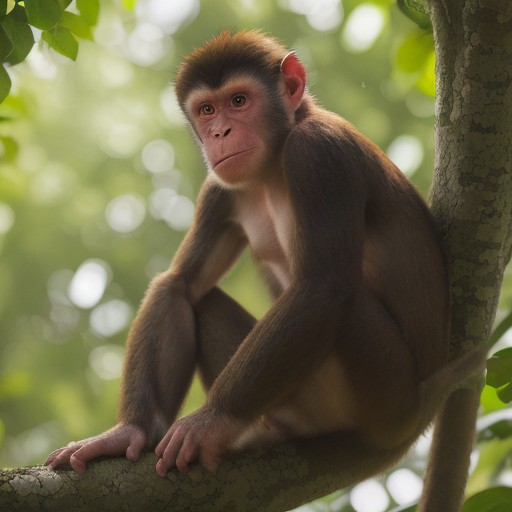
Introduction to Monkeys: The Primate Pioneers
Monkeys are fascinating non-human primates that have captivated the imagination of humanity for centuries. Belonging to either the Old World monkey (Cercopithecidae) or New World monkey (Callitrichidae) groups, these incredible creatures showcase remarkable adaptability and a diverse range of behaviors. While they share the same infraorder Simiiformes with apes, monkeys are distinctly different, offering a unique glimpse into primate evolution and behavior. In this article, we delve deep into the world of monkeys, exploring their characteristics, behaviors, and their significant cultural references that continue to resonate in today’s society.
Characteristics of Monkeys: The Versatile Primates
Monkeys are renowned for their adaptability, thriving in various habitats ranging from dense forests to urban environments. Their dietary habits are equally diverse, primarily consisting of omnivorous or herbivorous diets. Let’s explore the key characteristics that make monkeys exceptionally unique.
Diet: The Omnivorous and Herbivorous Nature
Monkeys exhibit varied dietary preferences depending on their species and habitat. Most monkeys are omnivores, consuming a mix of fruits, leaves, insects, and small animals. For instance, the well-known Howler Monkey primarily feeds on leaves, while Squirrel Monkeys enjoy a broader diet that includes fruits and insects. This flexibility in diet allows monkeys to adapt to changing environments, ensuring their survival even amid adversity.
Habitat: From Forests to Urban Areas
Monkeys can be found in diverse habitats, including:
- Forests: Many species thrive in tropical rainforests, where they find ample food and shelter.
- Grasslands: Some monkeys, like the Baboons, have adapted to open savannahs, demonstrating their versatility.
- Urban Areas: Increasingly, monkeys are seen in urban settings, scavenging for food and interacting with humans, which raises questions about the impact of urbanization on wildlife.
Behavior: Social Structures and Unique Traits
The behavior of monkeys varies widely among species. Some are solitary, while others thrive in large social groups known as troops. For example, Mandrills live in large groups of up to 100 individuals, showcasing complex social hierarchies. These social structures are crucial for their survival, enabling cooperation in foraging and protection against predators.
Cognitive Abilities: The Intelligent Primates
Monkeys are not just physically adaptable; they also exhibit remarkable cognitive abilities. Research has shown that many species possess complex problem-solving skills and advanced communication methods. Capuchin Monkeys have been observed using tools, such as rocks to crack open nuts, demonstrating their ability to manipulate their environment effectively.
Recent Discoveries: The Ongoing Fascination with Monkeys
Recent studies have unveiled even more about the remarkable lives of monkeys. For instance, researchers have discovered that some monkey species can recognize their reflections and display self-awareness, a trait once thought exclusive to humans and great apes. Furthermore, studies published in 2023 have indicated that monkeys can learn from watching others, a trait known as social learning, which enhances their survival strategies.
Cultural References: Monkeys in Our Lives
Monkeys have made a significant impact on culture, literature, and entertainment. Their playful nature and human-like behaviors make them prominent figures in numerous stories and zodiac signs. Let’s explore some cultural references that highlight their unique place in society.
The Zodiac Sign of the Monkey
In the Chinese zodiac, the Monkey is associated with cleverness, curiosity, and playfulness. As we approach November 23, 2024, those born under the Monkey sign are advised to approach advancements with caution, particularly regarding financial matters and interpersonal relationships. This astrological perspective adds a layer of intrigue, suggesting that the traits of monkeys might influence human behavior and decisions.
Monkeys in Media: Fictional Characters That Captivate
Fictional representations of monkeys also abound in popular culture. A prime example is Monkey D. Luffy from the anime series “One Piece.” Luffy, a character with the ability to stretch his body like rubber due to eating a Devil Fruit, has undergone significant character development, including the emotional turmoil of losing his brothers like Ace. This connection to themes of family, loss, and resilience resonates with audiences, showcasing how monkeys can symbolize deeper human experiences.
The Controversial Impact of Urbanization on Monkeys
The increasing encroachment of urban areas into natural habitats poses significant challenges for monkey populations. As cities expand, monkeys are forced to adapt to human environments, leading to both fascinating and concerning interactions. While their ability to thrive in urban settings demonstrates their adaptability, it also raises ethical questions about wildlife conservation and the impact of urban life on these creatures.
For instance, in cities like New Delhi, monkeys have become notorious for raiding homes and markets, leading to conflicts with residents. This situation brings to light the need for effective wildlife management strategies that consider the well-being of both humans and monkeys. Should urban planners take into account the habitats of these primates, or is it inevitable that urbanization will disrupt their lives?
Conservation Efforts: Protecting Our Primate Partners
As awareness grows about the challenges facing monkey populations, conservation efforts are becoming increasingly vital. Numerous organizations are dedicated to protecting monkey habitats and promoting sustainable practices to ensure their survival. Initiatives include:
- Rehabilitation Programs: Helping orphaned or rescued monkeys reintegrate into the wild.
- Habitat Preservation: Protecting forests and other natural habitats from deforestation and urban development.
- Public Education: Raising awareness about the importance of monkeys in ecosystems and the threats they face.
Each of these efforts not only benefits monkeys but also contributes to the overall health of our planet’s ecosystems. By preserving the habitats of these remarkable creatures, we are ensuring that future generations can learn from and appreciate their unique qualities.
Conclusion: Embracing the Legacy of Monkeys
Monkeys are more than just entertaining creatures; they are vital components of our ecosystem and hold significant cultural value. Their adaptability, intelligence, and social structures offer critical insights into the natural world and our own humanity. As we move forward, it is imperative that we recognize the importance of conservation efforts and the role we play in protecting these amazing animals. The future of monkeys depends not only on their resilience but also on our commitment to coexistence and respect for all living beings.
Let us celebrate the legacy of monkeys and continue to advocate for their survival, ensuring that these incredible primates remain a part of our world for generations to come.


