
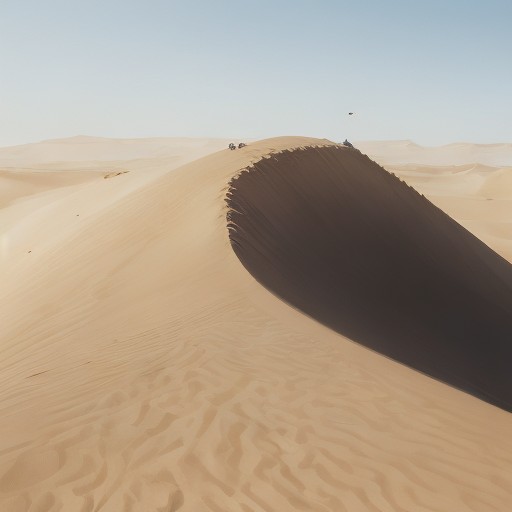
The Legacy of Frank Herbert’s Original “Dune”
In the vast landscape of science fiction literature, few works have left such an indelible mark as Frank Herbert’s “Dune.” Published in 1965, this groundbreaking novel transported readers to a distant future where humanity had spread across the cosmos, navigating the treacherous sands of the desert planet Arrakis, commonly referred to as Dune. Arrakis is not only a harsh environment, but it is also the sole source of melange, more popularly known as “the spice,” a substance that grants prolonged life, expanded consciousness, and is essential for space travel.
The intricate web of politics, religion, and ecology that Herbert wove into the narrative not only captivated readers upon its release but has continued to resonate across generations. The story follows Paul Atreides, the heir to the Duke of House Atreides, as he faces betrayal and navigates the complexities of power, destiny, and survival on a planet where water is scarce, and the sandworms reign supreme.
The Expanding Dune Universe
Following the success of the original novel, Herbert expanded the Dune universe with four sequels: “Dune Messiah,” “Children of Dune,” “God Emperor of Dune,” and “Heretics of Dune.” These works delve deeper into the philosophical and ethical dilemmas faced by Paul and subsequent generations, further enriching the narrative world.
In the early 2000s, Brian Herbert, Frank’s son, alongside author Kevin J. Anderson, took the helm of the Dune franchise, adding a plethora of prequels, sequels, and spin-offs. Their works, such as the Great Schools of Dune trilogy, explore the origins of key factions like the Bene Gesserit and the Spacing Guild, creating an intricate backstory that fans of the original series have both embraced and debated.
Recent Adaptations: A New Dawn for Dune
With the resurgence of interest in the Dune saga, the cinematic landscape witnessed a significant revival with “Dune: Part One,” released in 2021. Directed by visionary filmmaker Denis Villeneuve, this adaptation was met with critical acclaim, praised for its stunning visuals and fidelity to Herbert’s original work. The film captures the essence of Herbert’s complex themes while introducing a new generation of fans to the epic tale.
As audiences eagerly await the release of “Dune: Part Two,” scheduled for 2024, speculation abounds about how the continuation of Paul Atreides’ story will unfold. Will the film delve deeper into the spiritual and philosophical aspects of the series, or will it lean into the action and drama surrounding the impending conflict for Arrakis? The anticipation is palpable, leaving fans and newcomers alike to ponder the implications of Herbert’s vision for the future of humanity.
The Upcoming Television Series: “Dune: Prophecy”
Not content to rest on the laurels of cinematic success, the Dune universe is set to expand further with the upcoming television series “Dune: Prophecy,” scheduled for release in 2024. Set ten thousand years before the events of the original novel, this series will explore the lives of Valya Harkonnen and her sister Tula, who play pivotal roles in the formation of the Sisterhood, which eventually evolves into the infamous Bene Gesserit order.
The series promises to explore multiple time periods, offering fans a deeper understanding of the intricate politics and power struggles that define the Dune universe. This ambitious project is inspired by the Great Schools of Dune trilogy, setting the stage for a rich tapestry of storytelling that pays homage to Herbert’s legacy while introducing fresh narratives and characters to the fold.
Fan Reactions: Controversies and Speculations
With each new adaptation and continuation of the Dune saga, fan reactions have been as varied as the sand dunes of Arrakis. While many have embraced Villeneuve’s cinematic interpretation, others have voiced concerns regarding the potential dilution of Herbert’s complex themes. Critics argue that while visual storytelling can capture the grandeur of Dune, it may struggle to convey the intricate philosophical questions that have fascinated readers for decades.
The announcement of “Dune: Prophecy” has sparked its own wave of speculation. Fans are divided over the decision to delve into a prequel narrative, with some expressing excitement at the prospect of exploring the origins of the Bene Gesserit, while others fear that it may detract from the central storyline of the original novels.
Cultural Impact: Dune’s Enduring Legacy
The impact of Dune extends far beyond literature and film. The themes of ecological preservation, the consequences of power, and the exploration of human potential have influenced a generation of writers, filmmakers, and thinkers. Many contemporary science fiction works owe a debt to Herbert’s groundbreaking vision, from the intricate world-building of George R.R. Martin’s “A Song of Ice and Fire” to the philosophical underpinnings of films like “Blade Runner”.
Moreover, Dune’s exploration of desert ecology and its parallels to real-world environmental issues resonate with modern audiences grappling with climate change. The struggles of Arrakis serve as a cautionary tale about the delicate balance between humanity and nature, urging readers and viewers alike to reflect on their own relationship with the planet.
The Future of Dune: What Lies Ahead?
As the Dune franchise continues to evolve, the question remains: what lies ahead for this iconic series? With the promise of new adaptations, sequels, and spin-offs, the sands of time seem to be shifting in favor of a rich, expansive universe that invites further exploration.
However, the challenge remains to balance the expectations of long-time fans with the need to attract new audiences. Will future adaptations capture the essence of Herbert’s work while innovating for contemporary viewers? The stakes are high, and the outcome is uncertain, but one thing is clear: the legacy of Dune will continue to ignite imaginations and stimulate conversations for years to come.
Join the Conversation
As we stand on the precipice of a new era for the Dune saga, we invite you to share your thoughts and opinions. What are your hopes for the upcoming adaptations? How do you feel about the expansion of the Dune universe? Join the conversation and let your voice be heard as we navigate the ever-shifting sands of this beloved science fiction epic.
In a world increasingly interconnected by technology and storytelling, Dune remains a timeless exploration of humanity’s struggle for survival, power, and understanding. The dunes may shift, but the essence of Frank Herbert’s vision endures, inviting us to venture deeper into the mysteries of the cosmos.


