
Introduction: Langkawi’s Allure and Controversy
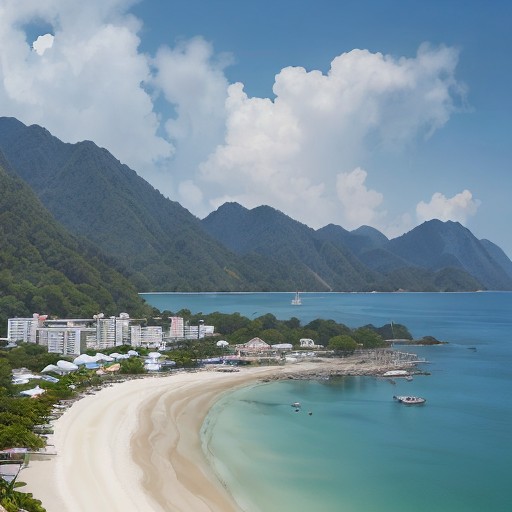
Langkawi, an archipelago comprising 99 breathtaking islands off the coast of Kedah, Malaysia, has become a beacon of natural beauty and adventure for travelers worldwide. Known for its pristine beaches, lush mangrove forests, and luxurious resorts, this tropical paradise has captivated the hearts of many. However, beneath its picturesque surface lies a growing controversy surrounding sustainable tourism and the implications of rapid development. As the world increasingly turns its gaze toward eco-friendly travel, Langkawi must navigate the fine line between tourism growth and environmental preservation.
The Enchanting Landscape of Langkawi
Langkawi Island, the largest in the archipelago, is often referred to as the “Jewel of Kedah.” Its stunning landscapes range from serene beaches like Pantai Cenang to the majestic Langkawi Sky Bridge, which offers panoramic views of the surrounding islands and the Andaman Sea. Tourists flock to Langkawi not just for relaxation but also for thrilling adventures such as island hopping, water sports, and wildlife tours.
The island is a haven for nature enthusiasts, boasting diverse ecosystems that include mangrove forests, coral reefs, and rainforests. Recent efforts to promote ecotourism have resulted in increased awareness of these natural wonders, yet they also raise questions: How can Langkawi maintain its charm while accommodating the ever-growing number of visitors?
Tourism Boom: A Double-Edged Sword
According to recent statistics, Langkawi welcomed over 3 million tourists in 2022 alone, a number that continues to rise. The influx of visitors has led to substantial economic benefits for the region, creating jobs and boosting local businesses. However, this tourism boom comes with its own set of challenges. Environmentalists warn that unchecked development may lead to habitat destruction, pollution, and strain on local resources.
One of the most contentious issues is the construction of luxury resorts and commercial establishments in previously untouched areas. While these developments provide much-needed amenities and attract high-spending tourists, they also threaten the delicate ecosystems that define Langkawi’s appeal. Local communities are increasingly voicing their concerns about the impact of mass tourism on their way of life and the environment they cherish.
Transportation: Gateway to Paradise
Accessibility is a significant factor contributing to Langkawi’s popularity. The Langkawi International Airport (LGK) serves as a major gateway, connecting the island to Kuala Lumpur and other key cities. Additionally, ferry services provide convenient links to the mainland, allowing travelers to easily reach this tropical paradise. However, as more flights and ferries are introduced to accommodate rising tourist numbers, the question arises: Can Langkawi’s infrastructure handle the growing demand?
While improved transportation has undoubtedly boosted tourism, it has also raised concerns about traffic congestion and increased carbon emissions. Advocates for sustainable travel urge the Malaysian government to invest in eco-friendly transport options, such as electric buses and bike-sharing programs, to mitigate the environmental impact.
Exploring Langkawi’s Natural Attractions
Langkawi’s natural attractions are its crown jewels, drawing visitors from all walks of life. The island is home to breathtaking beaches, including Datai Bay and Tanjung Rhu, where soft sands meet crystal-clear waters. Adventure seekers can explore the Kilim Karst Geoforest Park, known for its stunning limestone formations and vibrant mangrove forests. Here, tourists can enjoy guided boat tours that educate them on the rich biodiversity of the area.
Yet, the popularity of these attractions raises concerns about overcrowding. Some local residents have reported that popular beaches and parks have become almost unmanageable during peak seasons. The situation begs the question: How can Langkawi balance the influx of tourists while preserving the integrity of its natural wonders?
Luxury Meets Nature: A Controversial Balance
Langkawi is renowned for its luxurious resorts that offer world-class amenities amidst stunning natural backdrops. High-profile brands have established their presence on the island, attracting affluent travelers seeking opulence and relaxation. However, this trend has sparked a heated debate about the impact of luxury tourism on the local economy and environment.
Critics argue that while luxury resorts generate revenue, they often cater to a segment of tourists who may be less inclined to engage with local culture or contribute to the community. Additionally, the construction of these resorts frequently leads to land degradation and loss of habitat for wildlife. As Langkawi strives to position itself as a premier luxury destination, it must confront these dilemmas and seek sustainable solutions.
Cultural Heritage: A Rich Tapestry
Beyond its natural beauty, Langkawi boasts a rich cultural heritage that reflects the diverse influences of Malay, Chinese, Indian, and Thai communities. Visitors can immerse themselves in the local culture by exploring traditional markets, sampling authentic cuisine, and participating in cultural festivals. However, as tourism grows, there is a risk that these cultural experiences may become commodified, losing their authenticity in the process.
Local artisans and craftsmen are increasingly concerned about the impact of mass tourism on their traditions. As the demand for souvenirs rises, there is a temptation to produce cheaper, mass-produced items that lack the unique character of handmade goods. This trend raises important questions: How can Langkawi protect its cultural identity while still catering to the expectations of tourists?
The Future of Langkawi: A Call for Sustainable Practices
As Langkawi continues to attract tourists from around the globe, the need for sustainable tourism practices has never been more critical. The Malaysian government, local businesses, and community members must collaborate to establish a framework that prioritizes environmental conservation and cultural preservation. This includes implementing stricter regulations on development, promoting responsible tourism initiatives, and investing in community-based projects that empower locals.
Moreover, raising awareness among visitors about the importance of protecting Langkawi’s natural and cultural heritage is essential. Tourists can play a pivotal role by making conscious choices, such as supporting local businesses, reducing plastic waste, and respecting local customs.
Conclusion: A Balancing Act for a Sustainable Future
Langkawi stands at a crossroads, where the allure of tourism must be balanced with the imperative of sustainability. As travelers seek out new destinations and experiences, Langkawi remains a shining example of natural beauty and cultural richness. However, the choices made today will shape the future of this island paradise for generations to come.
In a world increasingly focused on eco-conscious travel, Langkawi’s journey toward sustainable tourism will undoubtedly influence other destinations facing similar challenges. As the island navigates this complex landscape, it invites travelers to join in the conversation and contribute to a vision that honors both its natural wonders and cultural heritage.


