
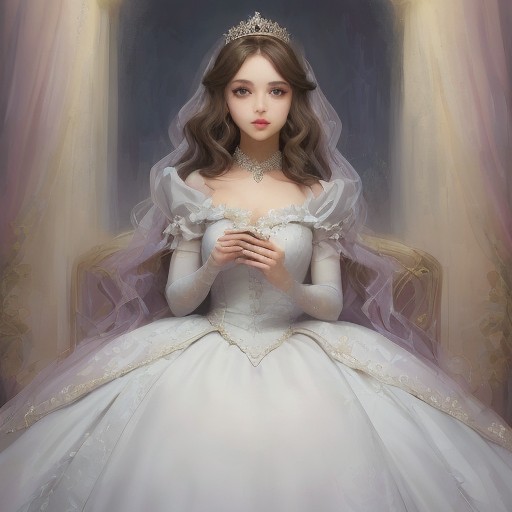
The Enigmatic Rise of Princess Day
In a world captivated by fairy tales and royal glamour, the concept of Princess Day emerges as a delightful homage to the spirit of princesses—both real and fictional. While not rooted in any historical tradition, this whimsical celebration sparks joy and curiosity, inviting us to explore the profound implications of princess narratives in today’s society. But what does it mean to celebrate princesses in the modern age? Let’s dive into the enchanting world of princesses, their historical significance, and the cultural impact they hold on our imagination.
Princesses Through History: A Legacy of Strength
Although the term “Princess Day” lacks a specific historical foundation, the lives of remarkable princesses like Abida Sultaan remind us of the strength and independence that can emerge from royal blood. Known as the “rebel princess” of Bhopal, India, Abida defied the conventions of her time, championing women’s rights and asserting her political influence. Her story is a powerful testament to how the image of a princess can transcend traditional roles and inspire generations.
Another notable figure is Victoria, Princess Royal, the first child of Queen Victoria. Her life was a tapestry of royal responsibilities entwined with personal sacrifice and duty. As German Empress and Queen of Prussia, Victoria’s journey illustrates the burdens and privileges that come with royal titles. What can we learn from these historical figures? How do their legacies shape our understanding of modern princess archetypes?
Modern Princesses: From Fiction to Empowerment
In contemporary culture, princesses often take center stage in literature and media. The Disney Princess franchise, for instance, has transformed the princess narrative into a cultural phenomenon, presenting characters like Elsa and Anna from “Frozen,” and Jasmine from “Aladdin” as symbols of empowerment and freedom. These characters resonate with young audiences, showcasing the importance of courage and self-discovery.
However, the portrayal of princesses has sparked debates about gender roles and societal expectations. Critics argue that while these stories promote bravery and independence, they still adhere to traditional narratives that can perpetuate stereotypes. Is it time to reimagine what it means to be a princess in today’s world? The emergence of Princess Day could be a pivotal moment to challenge these narratives.
Princess Day: A Celebration for All Ages
As the idea of Princess Day gains traction, various events and activities pop up, celebrating everything from elaborate princess-themed parties for children to discussions on women’s empowerment. These gatherings often incorporate elements of fantasy, encouraging participants to embrace their dreams and aspirations, regardless of gender.
Imagine a day filled with enchanting costumes, storytelling sessions, and workshops that emphasize confidence and leadership. The potential for Princess Day to inspire creativity and self-expression is boundless. Yet, as we celebrate this whimsical day, it begs the question: Are we merely continuing to uphold outdated stereotypes, or are we evolving into a more inclusive celebration of strength and resilience?
Princesses in the Digital Age: Social Media and Influence
The rise of social media has transformed how we perceive royalty and princesses. Influencers and celebrities often embody the princess persona, showcasing glamour and luxury in a way that captivates millions. Yet, this also raises concerns about authenticity and the pressures of perfection.
As the digital landscape continues to evolve, what does it mean to be a modern princess? Can we redefine the princess narrative to include voices from diverse backgrounds, emphasizing authenticity over idealism? The conversations surrounding Princess Day could serve as a catalyst for broader discussions on representation and empowerment in media.
Controversies and Conversations: The Dual Nature of Princess Culture
While Princess Day can be seen as a celebration of beauty and grace, it is not without its controversies. The juxtaposition of traditional princess imagery with modern ideals of feminism raises critical questions about the implications of these narratives. Are we celebrating empowerment, or are we simply romanticizing a bygone era?
Moreover, the commercialization of princess culture, particularly through children’s toys and media, has sparked debates about consumerism and its impact on young minds. Are we inadvertently teaching children that their worth is tied to appearance and material possessions? Or can we leverage Princess Day to instill values of kindness, resilience, and courage instead?
Engaging Communities: The Role of Princess Day in Social Change
In a world increasingly focused on social change, Princess Day can serve as a powerful platform for community engagement. By organizing events that emphasize social responsibility and philanthropy, we can shift the narrative from superficial glamour to meaningful impact.
Imagine a Princess Day where participants engage in activities that benefit their communities—fundraising for local charities, volunteering at shelters, or advocating for women’s rights. This approach could redefine the essence of what it means to be a princess, promoting a legacy of compassion and activism.
Conclusion: A Call to Action for the Royal Spirit in All of Us
As we embrace the concept of Princess Day, let us reflect on the stories of remarkable princesses throughout history and in contemporary culture. This celebration invites us to explore the duality of the princess narrative, recognizing both its enchanting allure and its potential pitfalls.
Through meaningful conversations and community engagement, we can redefine what it means to be a princess in today’s society. Let Princess Day be a celebration of resilience, empowerment, and authenticity—a day where we encourage every individual, regardless of gender, to embrace their inner royalty and contribute positively to the world around them.
So, will you join the movement? Let’s make Princess Day not just a day for costumes and fantasy, but a day that inspires real change and empowers us all to be the heroes of our own stories!


