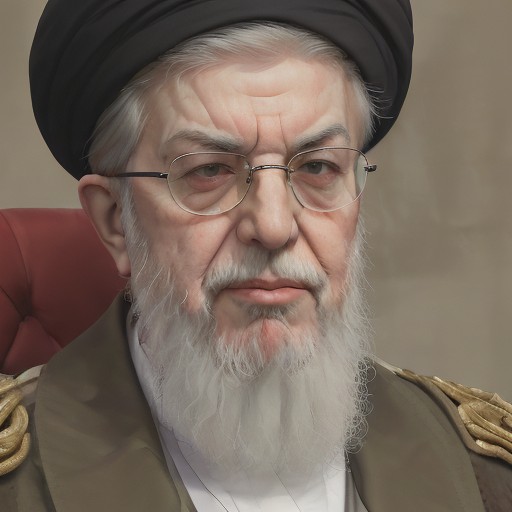
Introduction to the Supreme Leader’s Ongoing Influence
In the labyrinthine world of Iranian politics, few figures loom as large as Ayatollah Ali Khamenei, the Supreme Leader of Iran. As the nation grapples with internal strife and external pressures, Khamenei’s steadfast grip on power remains a focal point of intrigue and speculation. Recently, swirling rumors regarding his health have ignited discussions about his potential succession and the future of Iran’s political landscape.
Health Rumors: The Cloud of Uncertainty
In a dramatic twist that has sent shockwaves through political circles, rumors have emerged suggesting that Khamenei may be in a coma. These claims cast a shadow over his leadership during a tumultuous period for Iran. However, Khamenei’s office has taken decisive steps to quash these speculations by releasing a photograph of him engaging in discussions with a foreign envoy, a clear statement aimed at dispelling concerns about his health.
This incident raises crucial questions: What does it mean for Iran’s stability if the Supreme Leader’s health is indeed deteriorating? The implications could be vast, potentially leading to a power vacuum or heightened tensions within the ruling elite.
Succession Speculation: The Next Chapter in Iranian Politics
While Khamenei’s health remains a topic of debate, whispers of a planned abdication are growing louder. Analysts suggest that the Supreme Leader may be laying the groundwork for his son to take the reins, a move that could reshape the political landscape in Iran significantly. This speculation comes amid fears of protests and dissent against the regime’s hardline policies, which have increasingly alienated segments of the Iranian populace.
Such a transition could usher in a new era or exacerbate existing tensions. Would a new leader continue Khamenei’s legacy of defiance against the West, or could he lean towards a more reformist approach? As potential successors are discussed, the stakes have never been higher for Iran’s future.
Khamenei’s Stance on Domestic Politics
The Supreme Leader’s influence permeates all levels of Iranian governance. Recently, reformist candidate Masoud Pezeshkian has vowed to reach out to the West, advocating for a more lenient enforcement of the controversial mandatory headscarf law. His campaign highlights the increasing divide between hardliners and moderates within the political landscape.
Yet, Khamenei’s unwavering support for traditionalist values suggests that any moderate reforms will face significant hurdles. The hardliner faction remains entrenched, ready to push back against any shifts that could diminish their power. This ongoing battle for the soul of Iranian politics means that Khamenei’s decisions will hold substantial weight in determining the country’s trajectory.
International Relations: Khamenei’s Diplomatic Maneuvering
As the Supreme Leader navigates his domestic challenges, he continues to assert Iran’s position on the international stage. Khamenei’s recent statements supporting Hezbollah as an indomitable force against Israel underscore Iran’s commitment to its regional allies. He declared that “Israel cannot defeat Hezbollah,” highlighting the strategic military and diplomatic ties that Iran maintains with various actors in the Middle East.
This unwavering support for Hezbollah not only reinforces Iran’s stance against Israel but also positions Khamenei as a key player in regional geopolitics. The implications of his foreign policy decisions extend beyond Iran’s borders, impacting relations with Western nations and neighboring countries alike.
The Broader Implications of Khamenei’s Leadership
The enduring influence of Ayatollah Ali Khamenei raises critical questions about the future of Iran. As the Supreme Leader faces health challenges and potential succession issues, the balance of power within Iran could shift dramatically. The intertwining of domestic politics and international relations makes this a particularly volatile moment.
For the Iranian populace, Khamenei’s leadership is both a source of stability and a cause for frustration. Many citizens are eager for reform, yet the hardliner faction remains a formidable barrier to change. As rumors swirl and tensions rise, the question remains: how will Khamenei navigate this complex landscape?
Conclusion: The Future of Iran Under Khamenei
As we stand on the precipice of change, the future of Iran hangs in the balance. Khamenei’s health, his potential abdication, and the ongoing struggle between reformists and hardliners will undoubtedly shape the nation in the years to come. The Supreme Leader’s decisions will resonate not only within Iran but also across the globe, influencing international relations and regional stability.
In this era of uncertainty, one thing is clear: the legacy of Ayatollah Ali Khamenei will continue to be a topic of intense discussion, speculation, and debate. As we await the unfolding drama in Iranian politics, the world watches closely, eager to understand the implications of Khamenei’s next moves.


