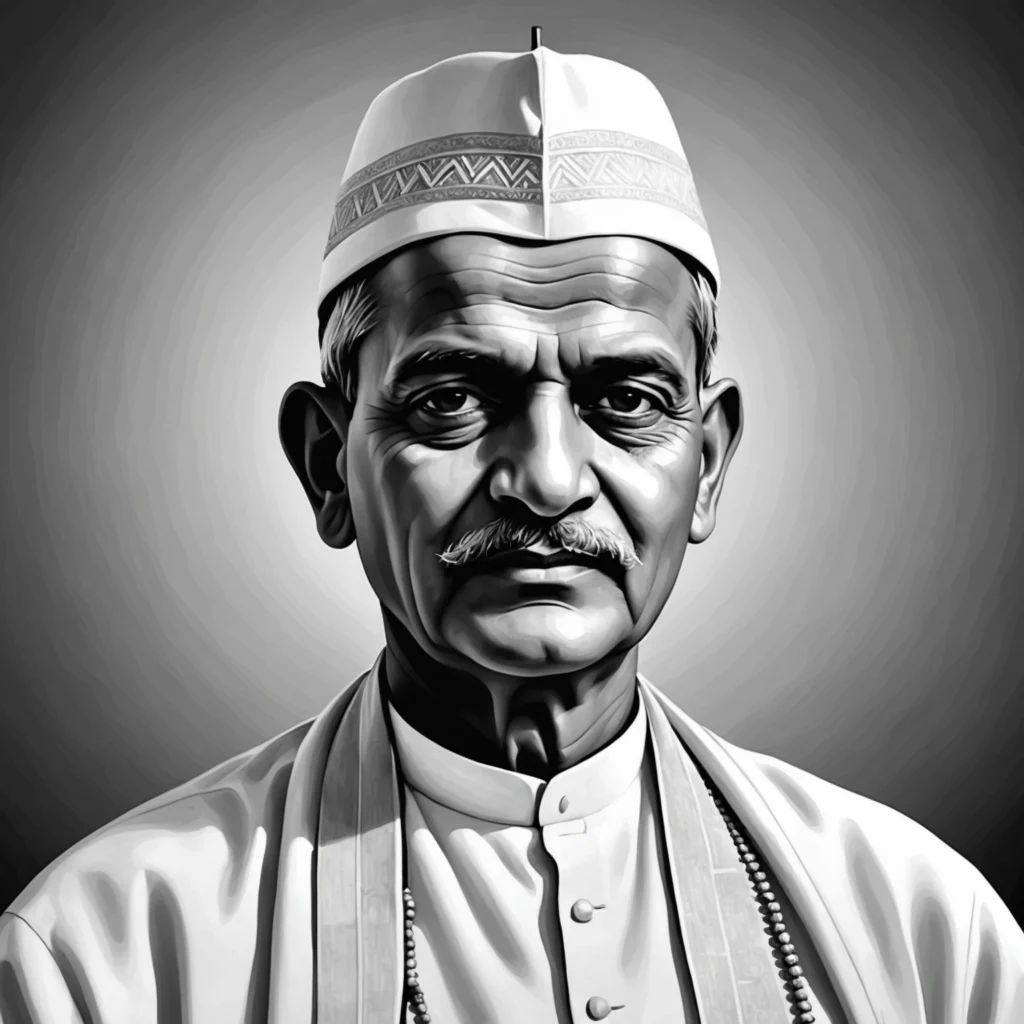
The Enduring Legacy of Lal Bahadur Shastri
Lal Bahadur Shastri, the second Prime Minister of India, is a name that resonates with leadership and integrity. Serving from 1964 until his untimely demise in 1966, Shastri’s tenure was marked by significant events that shaped the nation. Born on October 2, 1904, he was a close associate of Mahatma Gandhi and played a crucial role in the Indian independence movement. His legacy is not only preserved in history books but also celebrated in contemporary India, as evidenced by recent tributes on his birth anniversary.
Shastri’s Tribute: A Day of Remembrance
On November 14, 2024, Prime Minister Narendra Modi paid homage to Lal Bahadur Shastri alongside the revered Mahatma Gandhi. This dual tribute reflects the ongoing relevance of their ideals in modern India. As Modi laid wreaths at their memorials, discussions ignited about the profound impact these leaders had on the country’s socio-political landscape. Could their philosophies offer solutions to today’s pressing challenges? This question lingers in the minds of citizens and political analysts alike.
From Politics to Sports: The Lal Bahadur Shastri Stadium
While Shastri’s contributions to politics are widely acknowledged, his influence extends to sports as well. The Lal Bahadur Shastri Stadium in Anand, Gujarat, is currently hosting the Ranji Trophy Plate match between Manipur and Sikkim, showcasing the intertwining of sports and national pride. This venue, named in his honor, serves as a reminder of his vision for a united and prosperous India. As athletes compete, spectators are reminded of Shastri’s famous slogan, “Jai Jawan, Jai Kisan,” which emphasized the importance of both soldiers and farmers in nation-building.
A Controversial Figure: Shastri’s Choices
Despite his commendable achievements, Lal Bahadur Shastri was not without controversy. His decision to lead India into the 1965 Indo-Pak war has been debated extensively. Critics argue that the conflict could have been avoided through diplomacy, while supporters maintain that his leadership was crucial in defending the nation’s sovereignty. This dichotomy continues to evoke strong opinions, prompting discussions about military engagements and their long-lasting implications on national security.
Shastri’s Vision: Relevance in Today’s India
As India grapples with various socio-economic issues, Shastri’s vision of self-reliance and unity remains pertinent. His advocacy for the Green Revolution laid the groundwork for India’s agricultural advancements, yet challenges such as farmer distress and food security persist. Are policymakers doing enough to honor his legacy? This question fuels ongoing debates in political circles, with some arguing for a return to the principles Shastri espoused.
Modern-Day Leaders Reflecting Shastri’s Ideals
In the present political landscape, leaders echo Shastri’s values, emphasizing integrity and public service. Prime Minister Modi’s governance style, which often draws on historical figures for inspiration, raises the question: how effectively are these ideals being translated into action? The juxtaposition of Shastri’s humble beginnings with the current political climate invites scrutiny and speculation about the future of Indian leadership.
A National Dialogue: What Would Shastri Say Today?
As we reflect on Shastri’s life and contributions, it is essential to consider how his principles could guide current and future leaders. Would he advocate for more transparency in governance? Would he prioritize environmental sustainability in policy-making? These questions not only invite speculation but also encourage a national dialogue about the direction of India in the 21st century.
Conclusion: Honoring a Legacy
The celebration of Lal Bahadur Shastri’s life and contributions serves as a poignant reminder of the values that have shaped modern India. His emphasis on unity, self-reliance, and integrity remains crucial as the nation navigates contemporary challenges. Whether through sports, politics, or social initiatives, Shastri’s legacy will continue to inspire future generations. As we remember him on significant days like November 14, let us strive to embody the principles he championed in our daily lives.
As the Ranji Trophy match unfolds at the Lal Bahadur Shastri Stadium, it stands as a testament to how sports can unify a nation, just as Shastri envisioned. The interplay of remembrance and celebration of achievements prompts us to consider how we can honor his legacy in our own lives. As we discuss, debate, and reflect, we keep his spirit alive in our hearts and actions.


