
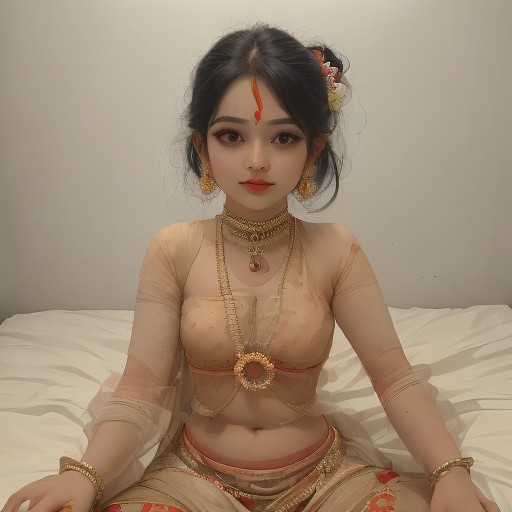
The Significance of Tithi in Hindu Culture
The term “Tithi” refers to a lunar day in the Hindu calendar, a key component of the Panchang, which plays a pivotal role in determining auspicious timings for rituals and ceremonies. As of November 23, 2024, we find ourselves in the intriguing phase of Margashirsha Krishna Ashtami. This tithi holds a unique significance that resonates deeply through tradition, spirituality, and even contemporary discussions.
Understanding Margashirsha Krishna Ashtami
Margashirsha Krishna Ashtami, the eighth day of the waning phase of the moon in the Margashirsha month, is a day celebrated by many Hindus. It is believed to be a day that invites introspection, spiritual awakening, and the honoring of Lord Krishna. But what does this day signify for the modern world? And why is it sparking conversations on social media?
The Spiritual Essence of Krishna Ashtami
For devotees, Margashirsha Krishna Ashtami is not merely another day on the calendar; it embodies a sacred opportunity to connect with divine energies. Traditionally, it is a time for prayer, reflection, and performing rituals dedicated to Lord Krishna. This day is marked by special pujas (prayers) and observances, often involving fasting and devotion.
Recent Trends: From Rituals to Relevance
In recent years, there has been a noticeable trend of younger generations exploring their roots, leading to a resurgence in the celebration of traditional festivals and tithis. Margashirsha Krishna Ashtami is no exception. Social media platforms are buzzing with hashtags like #KrishnaAshtami2024, with users sharing their rituals, recipes, and even their thoughts on the significance of this day in today’s fast-paced world.
Controversies and Conversations: The Modern-Day Dilemma
However, the celebration of such tithis is not devoid of controversy. There is an ongoing debate about the relevance of these traditions in the contemporary context. Some argue that as society evolves, so should our understanding of these ancient practices. Are we merely going through the motions, or is there a deeper relevance that we are missing? This question stirs passionate discussions among followers and critics alike.
Potential Implications of Celebrating Margashirsha Krishna Ashtami
Engaging in the observance of Margashirsha Krishna Ashtami raises important implications. For many, it offers a sense of community and connection to cultural heritage. But for others, it sparks questions about the rigidity of tradition in a rapidly changing world. Can the essence of this tithi transcend its ritualistic practices to inspire new forms of spirituality? Or does it risk becoming a mere spectacle?
Reflections on Spirituality and Modernity
As we ponder these questions, it is essential to consider how spirituality can coexist with modernity. The rise of mindfulness and self-awareness practices can be seen as a contemporary interpretation of ancient spiritual principles. Margashirsha Krishna Ashtami, therefore, can be a bridge between the two, inviting individuals to reflect on their personal journeys while honoring their heritage.
Voices from the Community: What People Are Saying
Across various platforms, voices from the community echo the sentiments of both celebration and critique. Many young Hindus express their enthusiasm for engaging with these traditions, while others call for a re-evaluation of their significance. “I love the rituals, but I also think we need to adapt them to fit our lifestyles,” says a millennial devotee. This sentiment captures the heart of the ongoing dialogue about how to honor ancient traditions in a modern context.
The Role of Technology in Celebrating Tithi
Interestingly, technology is playing a transformative role in how individuals celebrate tithis like Margashirsha Krishna Ashtami. From live-streaming pujas to virtual communities sharing recipes and rituals, the digital age has opened up new avenues for connection. This raises the question: is technology a boon or a bane for spiritual practices? As we navigate this intersection of tradition and modernity, the answer remains complex and multifaceted.
Conclusion: Embracing the Future While Honoring the Past
As Margashirsha Krishna Ashtami unfolds this year, it serves as a powerful reminder of the importance of maintaining a dialogue between our cultural heritage and contemporary values. The tithi is more than just a date on the calendar; it is a living tradition that invites us to reflect, celebrate, and evolve. Whether we choose to engage in traditional rituals or reinterpret them in ways that resonate with our current lives, the essence of this day—spiritual connection, community, and introspection—remains timeless.
Join the Conversation!
We invite you to share your thoughts on Margashirsha Krishna Ashtami. What does this day mean to you? How do you balance tradition and modernity in your spiritual journey? Let’s spark a discussion that honors the past while embracing the future!


