
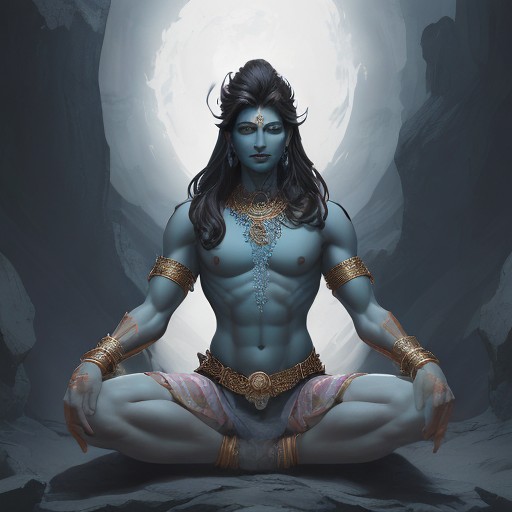
Introduction: The Cosmic Dance of Shiva
In the vast tapestry of Hindu mythology, few figures are as compelling and multifaceted as Lord Shiva. Revered as a pan-Hindu deity, Shiva’s influence spans across diverse regions, cultures, and communities, from the bustling streets of India to the serene temples of Nepal, Bangladesh, Sri Lanka, and even the enchanting islands of Indonesia, particularly Java and Bali. As believers gather in prayer and celebration, the question arises: what is it about Lord Shiva that continues to resonate so profoundly in contemporary society?
The Reverence of Shiva: A Unifying Force
Shiva is not merely a deity; he is a unifying force that transcends the boundaries of geography and sects within Hinduism. His worship is characterized by a rich tapestry of rituals and festivals. Celebrated widely during special occasions, such as Kartik Purnima, devotees engage in practices like nadi sthanam (nadi sade) and offer abhishekam—a sacred bathing ritual—paying homage to his divine essence. This pan-Hindu reverence for Shiva creates a sense of community, binding individuals together through a shared spiritual journey.
The Multifaceted Significance of Shiva
Shiva embodies the intricate dance of life, representing the essential elements of creation, preservation, and destruction. His cosmic role is depicted through various forms, most notably the linga, which symbolizes his formlessness and eternity. With a profound connection to the cycles of existence, Shiva’s narratives invite followers to reflect on the nature of life itself. It’s no surprise that he is often depicted alongside Nandi, his loyal bull, signifying strength and devotion.
Regional Worship: A Tapestry of Traditions
The beauty of Shiva’s worship lies in its regional diversity. Across the subcontinent, he is revered under numerous names and forms. In the South of India, for instance, fervent devotees sing Sri Mallikarjuna Suprabhatham, a devotional hymn dedicated to Shiva at the esteemed Mallikarjuna Temple. Such regional variations not only enrich the cultural landscape but also highlight the adaptability of Shiva’s teachings to local customs and beliefs.
Temple Significance: A Glimpse into Divine Architecture
Hindu temples dedicated to Shiva are architectural marvels, steeped in history and spirituality. The renowned Achaleshwar Temple is a prime example, where the Shiva lingam is said to change colors thrice a day, captivating the hearts of countless devotees. This miraculous phenomenon has sparked discussions among worshippers and skeptics alike, raising questions about the intersection of faith and science. Is this a divine sign, or merely an optical illusion? Such controversies add to the allure of Shiva worship, prompting deeper inquiry into the nature of belief.
Cultural Impact: Beyond Religion
Shiva’s influence permeates various facets of Indian culture, extending beyond religious rituals to impact art, literature, and daily life. His stories are woven into classical dance forms, while his philosophies inspire modern literature. The vibrant celebrations of festivals such as Maha Shivaratri invigorate communities, drawing in participants from all walks of life, regardless of their personal beliefs. This cultural significance raises an important question: how does the pervasive presence of Shiva in contemporary culture shape societal values and individual identity?
Shiva in the Modern Era: A Divisive Figure?
As society evolves, so too does the interpretation of spiritual figures like Shiva. In recent times, some factions within Hinduism have begun to question traditional practices associated with his worship. The rise of social media and the internet has facilitated discussions that challenge long-held beliefs, posing the question: is it time for a reinterpretation of Shiva in the modern world? This debate has sparked reactions across communities, with some advocating for a return to traditional practices while others push for a more progressive understanding that resonates with contemporary values.
Shiva and Environmentalism: A Contemporary Connection
Interestingly, the essence of Shiva is increasingly being linked to environmentalism. As the world grapples with climate change and ecological degradation, many see in Shiva a symbol of nature’s balance and the need for sustainable practices. His association with the wilderness and the natural world has led to a resurgence of interest in environmentally conscious rituals and practices. Could Shiva’s teachings provide a roadmap for a more harmonious existence with nature? This question is particularly relevant as global movements for environmental justice gain momentum.
The Global Impact of Shiva Worship
As globalization continues to blur cultural lines, the worship of Lord Shiva has transcended borders. In countries like Indonesia, where Hinduism is practiced predominantly on the islands of Java and Bali, Shiva is revered in unique cultural expressions. The Balinese celebrate him through elaborate rituals and dance, showcasing the adaptability of his worship in diverse cultural contexts. This global phenomenon raises intriguing questions about cultural appropriation and the preservation of spiritual identity in an interconnected world.
Conclusion: The Enduring Legacy of Lord Shiva
As we delve deeper into the essence of Lord Shiva, it becomes evident that his significance is not static but rather a dynamic force that evolves with each generation. From ancient scriptures to modern interpretations, his teachings continue to inspire and challenge followers across the globe. Whether through vibrant festivals, architectural wonders, or contemporary debates on faith, the legacy of Shiva remains a powerful testament to the enduring nature of spirituality in human life.
In a world rife with change, Lord Shiva stands as a beacon of resilience and adaptability. As devotees and seekers engage in dialogue about his role in the modern era, one thing is clear: the mystique of Shiva is far from fading; it is merely transforming, inviting all to explore the depths of faith, culture, and the cosmic dance of existence.


