
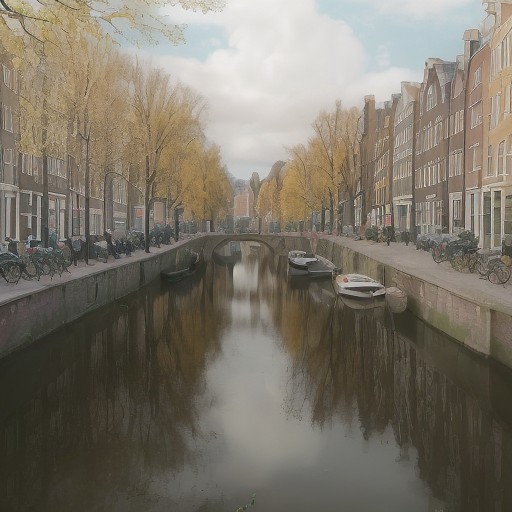
Discovering the Netherlands: A Jewel in Northwestern Europe
The Netherlands, often referred to informally as Holland, stands out as a remarkable country located in Northwestern Europe. Its rich history, vibrant culture, and striking landscapes make it a favorite among travelers and locals alike. But what truly sets this nation apart is not just its iconic windmills and tulip fields, but also its growing prominence in the world of sports, especially cricket and rugby.
The Geography of the Netherlands: More than Just Tulips
Geographically, the Netherlands boasts a unique position in Europe, bordered by Germany to the east and Belgium to the south. It also features overseas territories in the Caribbean, including popular destinations like Aruba, Curaçao, and Sint Maarten. This geographical diversity not only enriches the culture but also offers a blend of experiences that attract millions of tourists each year.
Women’s T20 Domestic Cricket Team: Rising Stars on the Pitch
In recent years, the Netherlands Women’s T20 Domestic cricket team has taken the sports scene by storm. With an impressive win percentage of 60% in the 2015 season, the team has become a beacon of empowerment and talent. Current players such as Annemijn Thomson, Annemijn van Beuge, Babette de Leede, and Carlijn van Koolwijk are not just athletes but role models for aspiring cricketers, showcasing the growing popularity of women’s sports in the region.
This surge in women’s cricket is not without its controversies, however. Critics argue that despite the successes, the team still faces significant challenges in receiving equal support and funding compared to their male counterparts. This raises questions about gender equality in sports and whether the Netherlands will step up to ensure that female athletes receive the recognition they deserve.
Cricket’s Growing Influence: Recent Triumphs
The excitement surrounding cricket in the Netherlands was palpable as the national team faced off against Oman in a recent T20I series. On November 14, 2024, the Dutch team achieved a stunning victory, beating Oman by 50 runs in the second T20I match. This triumph not only highlights the team’s skill and determination but also signals a potential shift in the cricket landscape within Europe.
However, this rise in cricket’s popularity has sparked debates among traditionalists who argue that the Netherlands should focus more on its long-standing sports like football and field hockey. What does this mean for the future of cricket in the country? Will it carve out a significant space in a landscape dominated by other sports? The implications could be profound, as the nation grapples with its sporting identity.
Rugby: A Gaining Popularity in the Netherlands
While cricket is making headlines, rugby is also on the rise in the Netherlands. Recent matches, including a thrilling contest against Germany as part of the Rugby Europe schedule, have brought attention to the sport. The increasing engagement in rugby reflects a broader shift in sporting interests among the Dutch population.
As rugby gains traction, discussions about its place in Dutch sports culture are inevitable. Some enthusiasts advocate for more support and visibility for rugby, arguing that it can foster community spirit and promote teamwork among young athletes. Conversely, skeptics wonder if the increasing focus on rugby will divert resources from other established sports, potentially leading to a dilution of talent across the board.
Cultural Richness: The Heart of Dutch Identity
Beyond sports, the Netherlands is home to a rich tapestry of culture that resonates throughout its cities and landscapes. From the artistic masterpieces of Rembrandt and Vermeer to the contemporary works found in museums like the Van Gogh Museum, the Dutch have a profound appreciation for art and history.
The nation also embraces a progressive attitude towards social issues, often leading the way in discussions surrounding equality and environmental sustainability. This cultural richness not only enriches the lives of its citizens but also invites global discourse and interest.
Challenges Ahead: Navigating the Future
Despite its many strengths, the Netherlands faces challenges that could impact its future trajectory. Issues like climate change, rising sea levels, and economic disparities have raised eyebrows among citizens and policymakers alike. The government’s approach to these challenges has sparked debates about the best ways to protect the environment while fostering economic growth.
Furthermore, the sporting landscape is also under scrutiny. As different sports vie for attention, the question remains: how can the Netherlands ensure that all athletes, regardless of their discipline, receive the support they need to thrive? The potential implications for sports funding, youth programs, and international representation are vast.
The Global Perspective: Netherlands on the World Stage
In the broader context, the Netherlands is increasingly becoming a focal point on the global stage. Its commitment to international cooperation, particularly in humanitarian efforts and climate action, positions it as a leader among nations. However, with great power comes great responsibility, and the Netherlands must navigate the complexities of international relations carefully.
As the country continues to forge its identity amidst sports and cultural achievements, the world watches closely. Will the Netherlands maintain its progressive values while fostering a thriving sporting environment? The answer could shape the future not just for the Dutch, but for global sports culture as a whole.
Conclusion: A Nation in Transition
The Netherlands is a nation in transition, balancing its rich cultural heritage with the demands of modern sporting challenges. As cricket and rugby gain popularity, the country faces crucial decisions about its identity and priorities in the sporting world. With ongoing discussions surrounding gender equality, funding, and support for athletes, the Netherlands has the opportunity to set an example for countries around the globe.
In the coming years, as the Dutch continue to embrace their multifaceted identity, one thing is clear: the world will be watching. Will they rise to the occasion and lead the charge for equality and support in sports, or will they falter under the weight of tradition? The answers lie just beyond the horizon, waiting to be unveiled.


