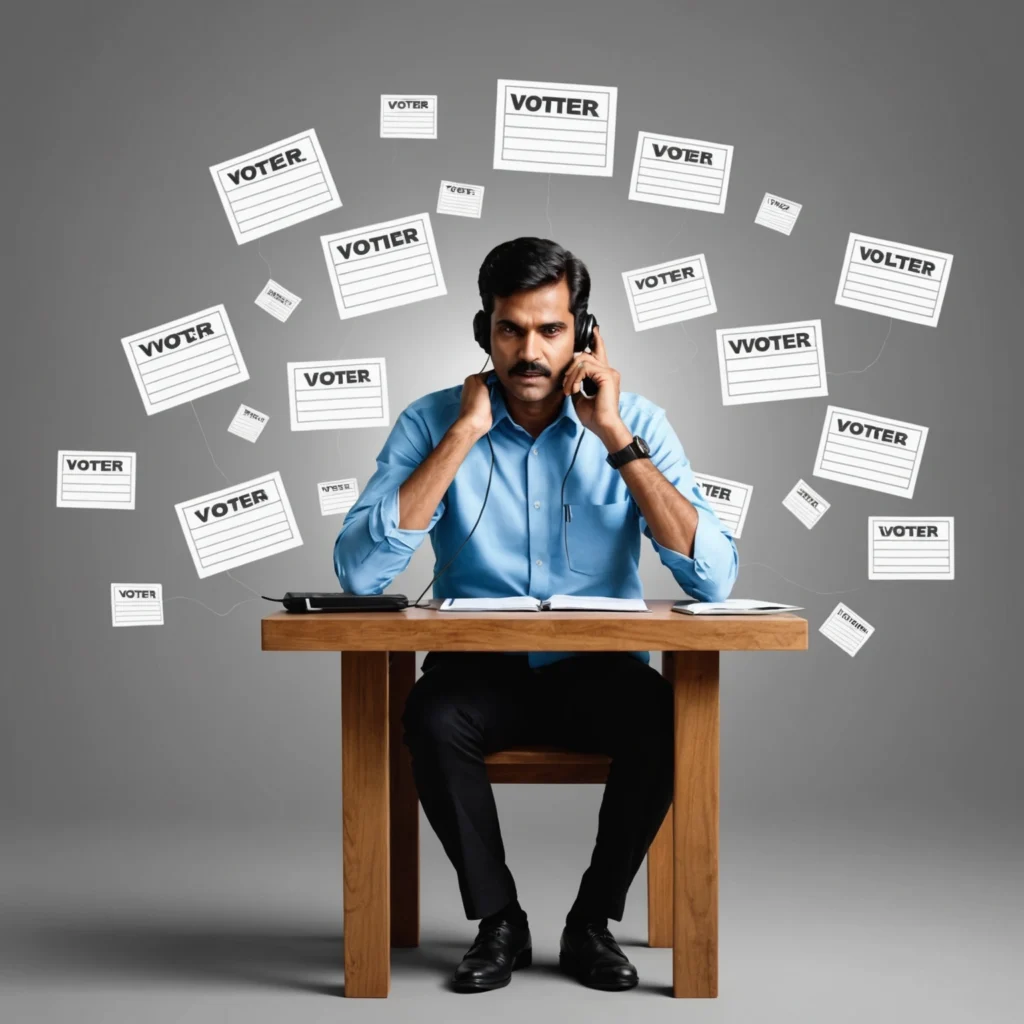
The Importance of Voter Helplines in Today’s Political Climate
As we approach crucial elections, the spotlight on voter accessibility has never been brighter. With whispers of voter suppression and concerns about misinformation, it’s essential for citizens to have reliable resources at their fingertips. Enter the Voter Helpline—a beacon of hope for those navigating the often murky waters of voting procedures.
What is the Voter Helpline?
The Voter Helpline serves as a crucial resource for individuals seeking assistance with voting-related inquiries. But what does that really mean? In a world filled with rapidly changing voting laws and procedures, having a dedicated line for assistance can make all the difference. Whether you’re a first-time voter or a seasoned veteran, knowing who to call can alleviate anxiety and empower you to make your voice heard.
How to Reach the Right People
While many people might expect a single, universal Voter Helpline number, the reality is a bit more complex. As of now, there isn’t a specific national voter helpline that everyone can call. However, there are trusted resources available. The Federal Voting Assistance Program (FVAP) can be your first stop. They provide a wealth of information and assistance to voters, especially those overseas or in military service. You can reach them at 1-800-438-8683 (toll-free) or visit their website for detailed resources.
State-Specific Resources: A Must-Explore
If you need information tailored to your specific state, don’t fret! The Election Assistance Commission (EAC) offers a plethora of resources that can guide you through your local voting procedures. Each state has unique requirements, and knowing these can help you avoid last-minute surprises come election day. Additionally, your local election office is the go-to resource for questions related to registration, polling locations, and identification requirements.
The Debate: Accessibility vs. Misinformation
As we delve deeper into the implications of having a robust voter helpline, it’s impossible to ignore the ongoing debate surrounding voter accessibility and the potential for misinformation. Critics argue that without a centralized helpline, voters may encounter inconsistent information, leading to confusion and disenfranchisement. The Economic Policy Institute (EPI) emphasizes the need for uniform resources to mitigate these risks, yet they do not provide a direct helpline service.
The Role of Technology in Voter Assistance
In today’s digital age, technology plays a pivotal role in voter assistance. Websites and mobile apps are increasingly becoming the primary source of information for voters. However, the shift to digital also raises questions about equity. Are all voters, particularly those in underserved communities, equipped with the resources to access this information? The potential for a digital divide is a controversial topic that deserves serious consideration.
Voter Helplines Around the Country: A Patchwork of Resources
Across the United States, various organizations have stepped up to fill the gap left by the absence of a national voter helpline. Nonprofits and advocacy groups are mobilizing to ensure that every voter has access to the necessary information. For example, organizations like the League of Women Voters and Vote.org offer localized assistance and helplines that cater to specific state needs. This patchwork of resources can be both a blessing and a curse, as it offers diverse assistance but can also lead to fragmentation.
The Future of Voter Assistance: What Lies Ahead?
Looking ahead, the need for a comprehensive, easily accessible voter assistance system is more critical than ever. With increasing polarization and the potential for misinformation campaigns, having a reliable Voter Helpline could serve as a frontline defense against voter suppression. Advocates are calling for the establishment of a centralized national helpline that provides accurate, timely information to all voters, regardless of their location.
What You Can Do: Get Involved!
As a concerned citizen, what can you do to ensure that you and your community are informed and empowered? Start by educating yourself about your state’s voting laws and procedures. Utilize the resources offered by the FVAP and EAC, and don’t hesitate to reach out to local election offices with your questions. Additionally, consider volunteering with local organizations that promote voter registration and education.
Conclusion: A Call to Action for Voter Empowerment
The conversation around voter helplines and voting accessibility is far from over. As we gear up for elections in 2023 and beyond, it’s imperative that we advocate for systems that empower every voter. Whether through a centralized helpline or localized assistance, the ultimate goal must be to create an environment where every voice can be heard without the fear of misinformation or disenfranchisement.
In the end, the Voter Helpline isn’t just a number; it’s a lifeline to democracy. Let’s work together to ensure that all voters have access to the information they need to make informed decisions and participate fully in the democratic process.


