
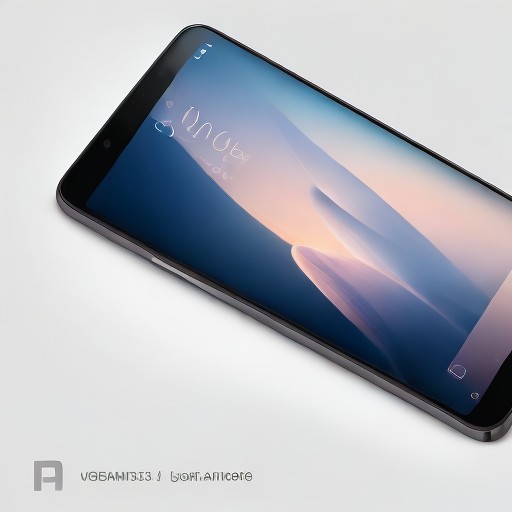
Introduction to Xiaomi HyperOS 2.0
Xiaomi has set the tech world abuzz with the announcement of its global rollout of HyperOS 2.0, the latest update that promises to transform the user experience across its vast ecosystem of smartphones. The excitement is palpable as Xiaomi fans eagerly await the enhancements that this update brings to their beloved devices. But is this rollout truly a game-changer, or just another incremental update disguised as a major overhaul?
Eligible Devices for the Rollout
The big news is that the rollout of HyperOS 2.0 will begin in November, targeting a selection of Xiaomi, Redmi, and POCO smartphones. A broader range of devices is expected to join the fray in December, ensuring that many users will soon experience the new features. Among the first devices to receive this update is the highly anticipated Xiaomi 14T, which is already generating buzz for its potential performance improvements and sleek design.
Design Aesthetics: A Modern Makeover
One of the standout features of HyperOS 2.0 is its modern design aesthetic. Xiaomi has embraced a minimalist approach, opting for a sophisticated gray background complemented by white boxes for content display. This design philosophy aims to create a cleaner, more organized interface, making it easier for users to navigate their devices. The traditional “Albums” tab has been reimagined into a “Recommended” section, effectively decluttering the user experience and prioritizing what matters most to users.
Optimizations: Smoothness and Speed
Beyond the visual appeal, HyperOS 2.0 comes packed with vital optimizations aimed at enhancing overall performance. Users can look forward to smoother scrolling, quicker load times, and improved responsiveness throughout the operating system. These enhancements are not just superficial; they are designed to make everyday tasks feel more fluid and seamless, thus enriching the user experience across the board.
The Implications of HyperOS 2.0 Rollout
As Xiaomi pushes forward with this ambitious update, questions arise about its implications for the smartphone market. Is Xiaomi positioning itself to take a more significant share of the global market? With competitors like Samsung and Apple continuously innovating, the introduction of HyperOS 2.0 could be a strategic move to lure users away from established brands.
Potential Reactions from Users and Experts
The tech community’s reaction to HyperOS 2.0 is likely to be mixed. While many users will undoubtedly appreciate the aesthetic and performance improvements, others may be skeptical about the actual impact of these changes. Will the update lead to a noticeable difference in day-to-day usage? Or will it be seen as just another routine update that fails to deliver on its promises?
Experts are already speculating whether Xiaomi’s latest update signals a broader trend in the smartphone industry towards minimalism and speed. As manufacturers strive to create more user-friendly interfaces, will HyperOS 2.0 set a new standard?
Comparing HyperOS 2.0 with Other Operating Systems
To fully understand the significance of HyperOS 2.0, it’s essential to compare it with other operating systems like Google’s Android and Apple’s iOS. While Android has long been known for its customization options and flexibility, Xiaomi’s new update could provide a streamlined alternative, catering to users who prefer simplicity without sacrificing performance.
On the other hand, Apple’s iOS is renowned for its polished user experience and tight ecosystem. Can Xiaomi’s HyperOS 2.0 compete effectively with these established giants? Only time will tell if this update is the catalyst for Xiaomi’s rise in the competitive smartphone market.
Anticipation and Speculations Ahead of the Rollout
As the rollout approaches, anticipation builds among Xiaomi enthusiasts. Many are left wondering: what features or surprises might be included in HyperOS 2.0 that haven’t been announced yet? Some speculate that Xiaomi may introduce new functionalities that leverage artificial intelligence to enhance user interactions further.
Moreover, could HyperOS 2.0 pave the way for future innovations within Xiaomi’s broader ecosystem? As the lines between smartphones, smart home devices, and wearables continue to blur, a cohesive operating system could be the key to Xiaomi’s success in creating an integrated user experience.
The Global Market Impact of HyperOS 2.0
With a global rollout, Xiaomi’s HyperOS 2.0 has the potential to impact markets beyond its home base in China. As the brand continues to gain traction in Europe and other regions, the success of this update could play a crucial role in solidifying Xiaomi’s position as a major player on the global stage.
As competitors react to Xiaomi’s advancements, we may see a ripple effect throughout the industry, prompting other manufacturers to rethink their approaches to software development and user experience. In a world where consumers have more choices than ever, staying ahead of the curve is essential for any smartphone brand.
Conclusion: A New Era for Xiaomi?
The rollout of HyperOS 2.0 marks an exciting chapter for Xiaomi, with the potential to redefine how users interact with their devices. With its modern design and optimizations, the update aims to deliver a streamlined experience that could resonate with a broad audience.
However, whether this update will be embraced wholeheartedly or met with skepticism remains to be seen. As users begin to receive HyperOS 2.0 in the coming weeks, the conversations around its significance and impact will undoubtedly continue to grow.
In a rapidly evolving tech landscape, Xiaomi has positioned itself for success. But will HyperOS 2.0 truly be the game-changer it promises to be? Only time will reveal the true impact of this ambitious rollout.


