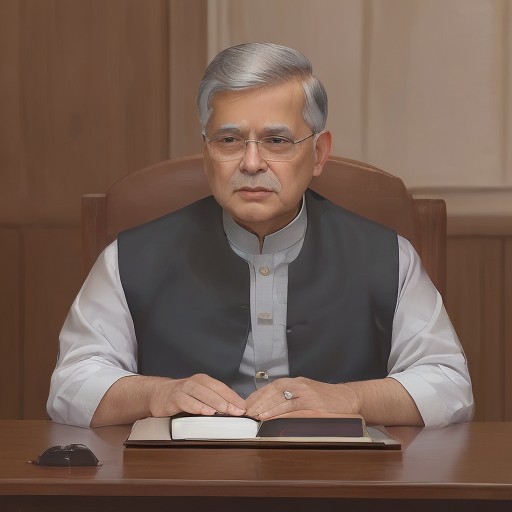
Justice Sanjiv Khanna Sworn In as the 51st Chief Justice of India
In a historic moment for the Indian judiciary, Justice Sanjiv Khanna was officially sworn in as the 51st Chief Justice of India on November 10, 2024. Appointed by President Droupadi Murmu, Khanna succeeds the esteemed DY Chandrachud, marking a pivotal transition for the apex court of the nation. This appointment, which comes at a crucial time for the legal landscape in India, sets the stage for a series of significant changes and reforms in the judiciary.
First Day in Office: A Gracious Beginning
On his inaugural day as CJI, Justice Khanna wasted no time diving into his responsibilities, presiding over a staggering 45 cases. His proactive approach was met with appreciation, as he took a moment to express gratitude to the legal community—lawyers and bar leaders alike—for their warm wishes and support. This immediate engagement not only showcases his dedication but also his recognition of the vital role that the legal fraternity plays in the functioning of the judiciary.
Addressing Young Lawyers’ Concerns
One of the most pressing issues highlighted by CJI Khanna is the exodus of young lawyers from litigation practice. He identified structural issues within the profession as a key factor driving this trend, notably the lack of financial and social security. In a candid acknowledgment of the challenges faced by newcomers in the legal field, he called for the establishment of a minimum remuneration standard for young advocates. This initiative aims to create a more conducive environment for aspiring lawyers, ensuring that the profession remains viable and attractive.
A Warm Welcome from the Legal Community
Upon assuming office, CJI Khanna was greeted with a rousing welcome from prominent bar leaders, including former Attorney General Mukul Rohatgi. This reception not only underscores the respect he commands within legal circles but also hints at the collaborative spirit he intends to foster during his tenure. The camaraderie displayed at the ceremony reflects a shared commitment to advancing the judiciary and addressing the needs of legal practitioners.
Significant Developments: A Step Towards Support for Lawyers
In a remarkable development soon after his appointment, the Jharkhand cabinet approved a comprehensive medical insurance scheme alongside increased pension benefits for lawyers in the state. This decision, framed as a response to CJI Khanna’s concerns, aims to bolster the financial and social security of legal practitioners. It signals a shift towards recognizing and addressing the vulnerabilities that many lawyers face, especially in the early stages of their careers.
Looking Ahead: The Future of the Judiciary Under CJI Khanna
As Justice Sanjiv Khanna embarks on his six-month tenure, which will conclude on May 13, 2025, the legal community and the public are keenly observing his initiatives and decisions. His vision for the judiciary is expected to be transformative, focusing on making the legal profession more inclusive and supportive for young lawyers. However, questions linger about whether his tenure will bring about lasting reforms or if it will be too short to implement significant changes.
Succession Insights: A Thoughtful Transition
The smooth transition of leadership within the Supreme Court was facilitated by the prior recommendation of Chief Justice DY Chandrachud, who endorsed Justice Sanjiv Khanna as his successor. This foresight reflects a thoughtful approach to succession planning within the judiciary, ensuring continuity while also ushering in new perspectives. The legal fraternity is now left to speculate on how Khanna’s unique experiences will shape his approach to justice and the challenges he will tackle head-on.
Conclusion: A Call for Engagement and Dialogue
As Justice Sanjiv Khanna steps into his role as CJI, the Indian judiciary stands at a crossroads. His commitment to addressing the concerns of young lawyers and improving the overall landscape of the legal profession is commendable. However, it also invites a broader conversation about the future of the judiciary in India. Will his initiatives be enough to retain young talent within the legal field? How will the legal community react to the changes he proposes? These questions are not just rhetorical; they are essential for fostering an engaged and proactive legal environment.
Readers and stakeholders in the legal profession are encouraged to weigh in on this unfolding narrative. The path ahead is fraught with challenges, but with visionaries like CJI Sanjiv Khanna at the helm, there is hope for a more inclusive, supportive, and robust judicial system.


