Introduction: A New Era in the Indian Judiciary
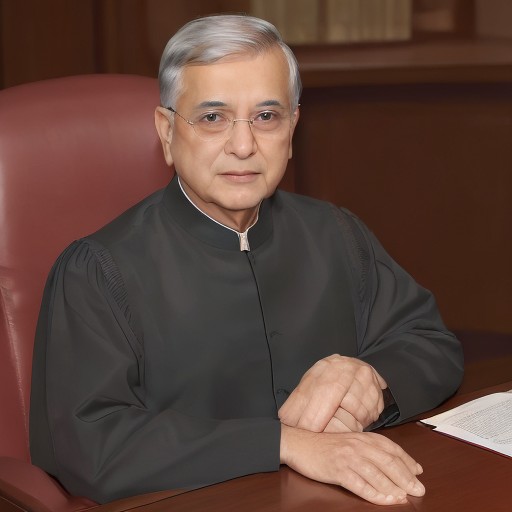
On November 24, 2024, India witnessed a significant shift in its judicial landscape as Justice Sanjiv Khanna was sworn in as the 51st Chief Justice of India (CJI). With a tenure lasting until May 13, 2025, Justice Khanna’s appointment has raised eyebrows and sparked discussions across the nation. Will he be a harbinger of progressive change, or will his decisions stir up controversy? This article delves into the life, career, and early days of Justice Khanna, exploring what his leadership might mean for the Indian judiciary and society at large.
A Momentous Appointment: The Oath Ceremony
Justice Khanna’s swearing-in was officiated by President Droupadi Murmu at Rashtrapati Bhavan, marking a ceremonial transition that many view as both historic and pivotal. The event took place at 10 am, attended by various dignitaries and legal luminaries, who expressed optimism about the new Chief Justice’s approach to justice and legal reforms. Justice Khanna took over from Chief Justice DY Chandrachud, who left behind a legacy of impactful rulings and progressive judicial philosophy.
Justice Khanna’s Tenure: A Brief Overview
Justice Sanjiv Khanna’s abbreviated tenure as CJI, lasting only six months, has led to speculation about the impact he can realistically have in such a short time. However, his track record speaks volumes. Having been a part of several landmark judgments, including the decriminalization of consensual gay sex and the scrapping of the electoral bonds scheme, he has already established himself as a formidable force in the judiciary.
Landmark Judgments: A Legacy in the Making
Justice Khanna’s judicial career has been marked by several pivotal cases that have shaped contemporary Indian law. His involvement in the upholding of the sanctity of Electronic Voting Machines (EVMs) and the contentious abrogation of Article 370 showcases his commitment to maintaining the rule of law while navigating politically sensitive issues. Each judgment has not only influenced legal precedents but has also stirred public debates, positioning him as a figure of both respect and controversy.
The First Day: A Flurry of Activity
On his inaugural day as CJI, Justice Khanna hit the ground running, hearing an impressive 45 cases. His proactive approach was well-received, and he took a moment to thank lawyers and bar leaders for their warm wishes. This eagerness to engage with the legal community indicates a potential shift towards a more collaborative judiciary, one that values the contributions of its practitioners.
Concerns for the Future: Addressing Young Advocates’ Exodus
One of Justice Khanna’s notable concerns has been the alarming trend of the “exodus of young talent” from litigation practice. He recognizes the challenges facing new entrants into the legal profession and has emphasized the urgent need for financial and social security to make the legal field more appealing. This initiative could be transformative, encouraging a new generation of lawyers to remain in practice rather than seek opportunities in other sectors, such as corporate law or academia.
The Implications of His Leadership
As Justice Khanna embarks on his brief yet potentially impactful tenure, questions loom regarding his approach to controversial issues. How will he navigate the delicate balance between judicial independence and public sentiment? Will he continue to champion progressive rulings, or will he lean towards a more conservative interpretation of the law? These are questions that legal analysts and the public alike will be keenly watching.
Public Reaction: Mixed Feelings Towards the New CJI
Public sentiment surrounding Justice Khanna’s appointment is decidedly mixed. Proponents laud his track record and potential for progressive change, while critics caution against the limitations of a six-month term. Social media platforms have erupted with debates, with some praising his previous rulings as a sign of a modern judiciary ready to tackle pressing societal issues, while others express skepticism about his ability to enact meaningful change in such a short span.
Looking Ahead: The Challenges Awaiting Justice Khanna
As the dust settles from his swearing-in ceremony, Justice Khanna faces significant challenges. The judiciary is often viewed through a political lens, and the expectations from his tenure are high. Key issues, such as the ongoing debates surrounding judicial appointments, access to justice, and the transparency of court proceedings, will test his resolve and leadership.
Conclusion: A Legacy in the Making
Justice Sanjiv Khanna’s ascendance to the role of Chief Justice of India is not merely a change in leadership; it represents a potential turning point for the Indian legal system. His commitment to addressing the concerns of young lawyers, coupled with his history of landmark judgments, positions him as a pivotal figure in shaping the future of justice in India. As the nation watches closely, one thing is clear: Justice Khanna’s actions in the coming months will have far-reaching implications, and his legacy is just beginning to unfold.
Join the Conversation
What are your thoughts on Justice Sanjiv Khanna’s appointment and his potential impact on the Indian judiciary? Will his short tenure allow for meaningful change, or will it be overshadowed by the challenges ahead? Share your opinions and join the discussion!


