
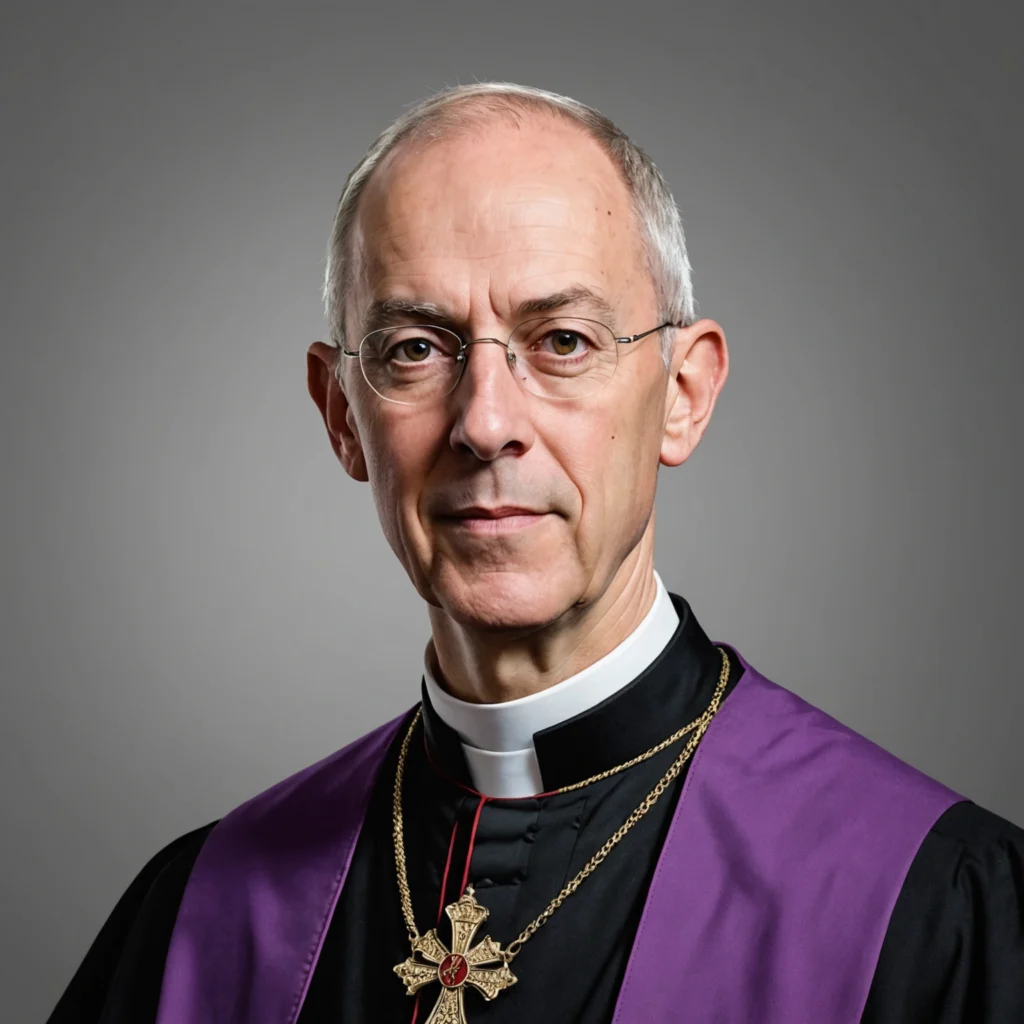
The Rise and Fall of Archbishop Justin Welby
Justin Portal Welby, the 105th Archbishop of Canterbury, has long been a prominent figure in the Anglican Church, serving as its spiritual leader since February 4, 2013. His journey from humble beginnings to the highest office in the Church has been marked by both commendable achievements and significant controversies that have culminated in his recent resignation.
A Background Steeped in History and Leadership
Born on January 6, 1956, Welby’s early life was shaped by a rich educational background. He studied history and law at Trinity College, Cambridge, before pursuing ordination at St John’s College, Durham. His career began as the vicar of Southam in Warwickshire, leading him to become the Dean of Liverpool from 2007 to 2011 and then the Bishop of Durham from 2011 to 2013.
His appointment as Archbishop of Canterbury was announced on November 9, 2012, and he was introduced to the House of Lords as part of the Lords Spiritual in January 2012. Welby’s leadership was characterized by attempts to navigate the complex waters of modern Anglicanism, addressing issues such as social justice, climate change, and the evolving role of the Church in a contemporary society.
Recent Developments: A Scandal That Shook the Church
However, the recent scandal involving John Smyth, a serial child abuser who victimized at least 115 children, has cast a dark shadow over Welby’s tenure. The scandal surfaced in late 2024, revealing that Archbishop Welby had received warnings about Smyth as early as 1981 but failed to take appropriate action. This negligence has led to widespread outrage and criticism, particularly from victims who feel that the Archbishop prioritized his own position over the safety of children.
Resignation: A Response to Growing Pressure
In October 2024, following mounting pressure and calls for accountability, Archbishop Welby announced his resignation. This decision sent shockwaves through the Church of England, raising questions about the future leadership and credibility of the institution. Critics have labeled Welby’s failure to act decisively against Smyth as a betrayal of the very values the Church is meant to uphold.
The Aftermath: Calls for Reform and Accountability
The resignation has ignited a fierce debate within the Church and the wider community. Many have voiced that merely resigning is insufficient to restore trust in the Church’s leadership. Bishop Hudson-Wilkin and others have emphasized the need for systemic reforms to address the Church’s past failures in handling abuse cases and to ensure that such tragedies do not recur.
The outcry has also brought forth a wave of support for the victims, with advocates calling for comprehensive investigations and transparency in the Church’s dealings with abuse allegations. The need for healing and justice has never been more apparent, and the Church stands at a crossroads.
Future Leadership: Who Will Step Into the Role?
As the Church of England grapples with the implications of Welby’s resignation, discussions regarding potential successors have begun. Among the names being floated are the bishops of Norwich, Chelmsford, and Leicester. Each candidate presents a unique vision for the future of the Church, which will need to rebuild its reputation and regain the trust of its congregation.
Engagement with Global Issues
Welby’s tenure was not without its achievements. He was a significant figure in the Anglican Communion and played a crucial role in addressing global issues such as poverty, conflict, and climate change. However, his leadership faced criticism in 2023 when a group of ten archbishops worldwide publicly condemned the Church of England’s decision to offer blessings to same-sex couples, exposing divisions within the Anglican community. This controversy further complicated his legacy, as he navigated the complex interplay of tradition and modernity.
Honors and Recognition: A Legacy in Question
Despite the controversies, Welby received recognition for his service, particularly during the coronation of Charles III and Camilla. He was appointed Knight Grand Cross of the Royal Victorian Order (GCVO) in the 2024 New Year Honours, acknowledging his contributions to the monarchy and the Church. Yet, as he steps down, questions remain about whether these honors will overshadow the critical failures of his leadership.
The Church of England at a Crossroads
The resignation of Archbishop Justin Welby marks a pivotal moment for the Church of England. It has brought to light profound issues regarding accountability, transparency, and the Church’s role in society. As the institution strives to heal and reform, the legacy of Welby’s leadership will undoubtedly be scrutinized for years to come.
For many, his resignation is not just an ending but a beginning—a call to action for reform and a renewed commitment to safeguarding the vulnerable. The Church must now confront its past and work diligently to restore trust and credibility.
Conclusion: What Lies Ahead for the Church of England?
As the dust settles on this tumultuous chapter in the Church’s history, the future remains uncertain. Will the Church emerge stronger, equipped with new leadership and a commitment to accountability? Or will it continue to struggle under the weight of its past mistakes? The answers may lie in the willingness of its leaders and members to engage in open dialogue and confront the uncomfortable truths that have long been ignored.
Archbishop Justin Welby’s resignation is a stark reminder of the challenges facing religious institutions today. It serves as an urgent call for reform, compassion, and a commitment to justice that cannot be ignored. The Church of England stands at a critical juncture, and its response will shape its future for generations to come.



