
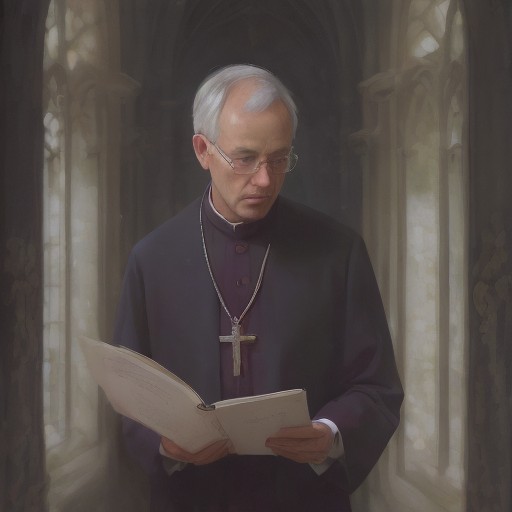
Archbishop Justin Welby Resigns: A Shocking Turn of Events
In a dramatic announcement that has sent shockwaves through the Anglican community and beyond, Justin Welby, the Archbishop of Canterbury, declared his resignation on Tuesday, November 12, 2024. The decision comes in the wake of a harrowing child abuse scandal that has plagued the Church of England for years, culminating in intense scrutiny of his leadership since he assumed office in 2013.
Taking Responsibility: The Archbishop’s Admission
Welby’s resignation is unprecedented for a leader of the Anglican Church and underscores the severity of the abuse cases that have emerged. In a heartfelt statement, he acknowledged his “personal and institutional responsibility” for the mishandling of high-profile abuse cases, particularly the notorious case of serial child abuser John Smyth. This admission has fueled public discourse on the systemic failures within the Church and raised questions about the accountability of its leaders.
The Makin Report: A Damning Revelation
The catalyst for Welby’s resignation was the release of the Makin report, which detailed significant failures in how the Church of England handled abuse allegations under his tenure. The report highlighted a pattern of negligence and inaction that has left many victims feeling betrayed and unheard. Critics have pointed out that the Archbishop’s failure to act decisively on the allegations against Smyth was a pivotal factor in his decision to step down.
Criticism of Welby’s Leadership
In the aftermath of his resignation, several senior clergy members have publicly criticized Welby, labeling his leadership as “untenable.” The Archbishop has faced accusations of hypocrisy, as many argue that he preached accountability and transparency while failing to uphold these values within his own institution. This duality has led to growing frustration among church members and the general public alike.
The Church of England in Crisis
Welby’s resignation has thrown the Church of England into further turmoil, as it seeks to recover from the damaging fallout of the abuse scandals. With a long history of influence and power, the Church faces a daunting task in restoring its reputation and regaining the trust of its congregation. The search for the next Archbishop of Canterbury begins now, with many eager to see how the new leader will navigate this turbulent landscape.
Implications for the Church’s Future
As the Church of England grapples with the implications of Welby’s departure, questions loom about the future direction of this historic institution. Will the next Archbishop embrace reform and transparency, or will the cycle of negligence continue? The ongoing crisis has opened the door for discussions about the Church’s role in addressing abuse and fostering a culture of accountability.
Calls for Further Action: The Pressure on Stephen Cottrell
In the wake of Welby’s resignation, attention has turned to Stephen Cottrell, the Archbishop of York and the second most senior figure in the Church of England. Cottrell is currently under immense pressure to step down himself, as he faces accusations of ignoring 11 separate abuse complaints. His potential resignation could further shake the foundations of the Church and highlight the urgent need for reform.
Public Reaction: A Divided Community
The public response to Welby’s resignation has been a mixed bag, with some expressing relief that accountability is finally being addressed, while others lament the instability it brings to an already beleaguered institution. Social media has exploded with reactions from both supporters and critics of the Archbishop, each side passionately articulating their views on the Church’s future and the ongoing abuse crisis.
The Broader Context: Church and Society
This scandal is not just a Church issue; it reflects broader societal concerns about institutional abuse and accountability. As more survivors come forward, it is crucial for organizations, including religious institutions, to examine their policies and practices to prevent future abuses. The fallout from this scandal may inspire other institutions to confront their histories and establish more robust safeguards against abuse.
What Lies Ahead for the Church of England?
As the Church of England embarks on the search for its 106th Archbishop of Canterbury, many are watching closely to see how this new leader will tackle the challenges ahead. Will the next Archbishop prioritize healing and reform, or will the Church continue to struggle under the weight of its past? The stakes are high, and the path forward will be fraught with challenges.
Conclusion: A Call for Change
Archbishop Justin Welby’s resignation marks a critical juncture for the Church of England. It serves as a stark reminder of the importance of accountability and the need for institutions to take allegations of abuse seriously. As the Church stands at a crossroads, it must grapple with its past while striving to create a safer and more transparent future for its community.
In these turbulent times, the eyes of the world are on the Church of England. The question remains: will it rise to the occasion and emerge stronger from this crisis, or will it be forever haunted by the shadows of its failures?


