
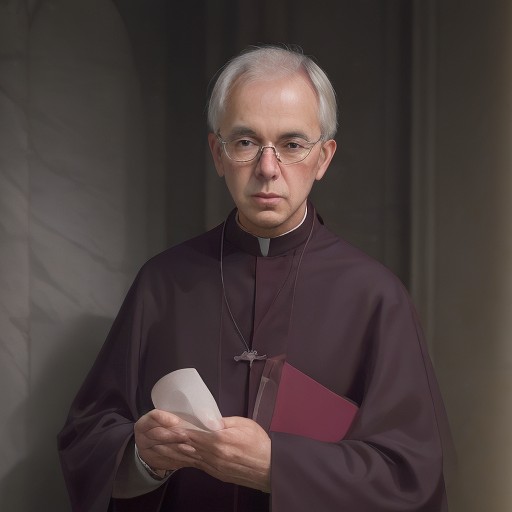
The Resignation of a Leader: Archbishop Justin Welby Steps Down
In a stunning turn of events that has sent shockwaves through the Church of England and beyond, Archbishop of Canterbury Justin Welby has announced his resignation. The announcement came on Tuesday, August 27, following the release of the highly anticipated Makin report. This report has unveiled disturbing details regarding the Church’s handling of child abuse allegations, particularly those involving serial abuser John Smyth.
Unpacking the Makin Report: A Call for Accountability
The Makin report, an extensive investigation into the Church of England’s response to allegations of child abuse, has painted a bleak picture of systemic failures among senior clergy, including Welby himself. Critics have highlighted that the Archbishop’s inaction concerning concerns raised about John Smyth, who was implicated in numerous abuse cases, exemplifies a troubling pattern of negligence.
As the spiritual leader of the Church since 2013, Welby’s role in addressing such grave allegations has come under intense scrutiny. The report criticizes him for not taking adequate steps to protect the vulnerable and for failing to act decisively when confronted with evidence of Smyth’s predatory behavior.
Public Outcry and Calls for Change
The public reaction to Welby’s resignation has been overwhelmingly charged with emotion. Survivors of abuse, their advocates, and many churchgoers have voiced their outrage over what they perceive as hypocrisy and a lack of genuine responsibility from the church’s leadership. The emotional toll of the allegations, combined with the Archbishop’s perceived inaction, has led to a growing chorus of voices demanding not only his resignation but also a profound transformation within the Church of England.
Many have taken to social media to express their sentiments, with hashtags like #WelbyResigns trending across platforms. The call for accountability is resonating, as individuals share their personal stories and experiences with church authorities, further amplifying the demand for reform.
Welby’s Legacy: A Mixed Bag of Achievements and Controversies
Justin Welby’s tenure as the Archbishop of Canterbury has been marked by both significant achievements and controversies. His efforts to promote reconciliation within the Anglican Communion and his advocacy for social justice have often been lauded. However, the shadow of the Makin report has quickly overshadowed these accomplishments.
As he steps down, many are left to ponder what his legacy will ultimately be. Will he be remembered for his progressive stance on various social issues, or will the allegations of negligence in the face of child abuse claims define his time at the helm?
The Future of the Church: Speculations and Potential Successors
With Welby’s resignation, the question on everyone’s mind is: who will step into the role of Archbishop of Canterbury next? Potential candidates are already being discussed, with bishops of Norwich, Chelmsford, and Leicester emerging as frontrunners. Each of these candidates brings their unique perspectives and experiences, which could shape the future of the Church.
This transition period presents a crucial opportunity for the Church of England to address the deep-seated trust issues plaguing its leadership. The new Archbishop will need to prioritize transparency and accountability to rebuild faith among congregants and the broader public.
Implications for the Church: A New Era of Accountability?
Welby’s resignation could signal a pivotal moment for the Church of England. As the dust settles, there is hope that this change in leadership may herald a new era of accountability and responsiveness to allegations of abuse. Many advocates for survivors are calling for systemic reform that not only addresses past failures but also implements preventive measures to protect the vulnerable in the future.
Furthermore, the Church must engage in honest and open dialogues about its failures. The Makin report has exposed the urgent need for a cultural shift within the institution, one that prioritizes the well-being of its members over institutional reputation.
Conclusion: A Turning Point for the Church of England
As Archbishop of Canterbury Justin Welby resigns amid scandal and public outcry, the Church of England stands at a crossroads. The release of the Makin report has ignited a firestorm of criticism and demands for change that cannot be ignored. The future of the Church hangs in the balance as it grapples with the consequences of its past actions and seeks to restore faith among its congregation.
While the resignation of a leader is often seen as a moment of crisis, it can also be a catalyst for profound change. The Church now has an opportunity to address its shortcomings and emerge as a more responsible and trustworthy institution. As the world watches, the choice of Welby’s successor will be pivotal in shaping the Church’s future and its relationship with the communities it serves.


