
Introduction: A Shocking Resignation
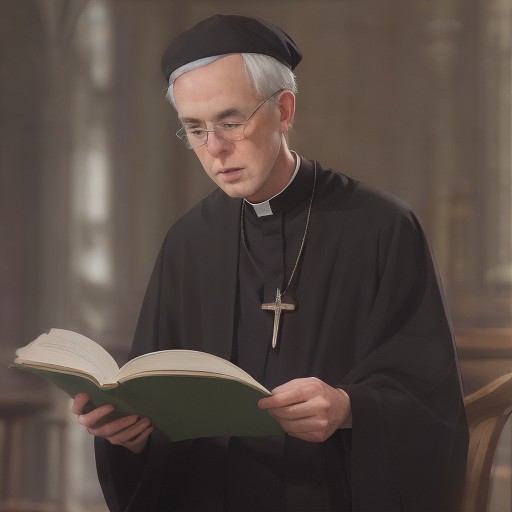
In an unprecedented move that has sent shockwaves through the religious community and beyond, Justin Welby, the Archbishop of Canterbury, has resigned from his prestigious position. This decision, which comes on the heels of severe criticism regarding his handling of child abuse allegations within the Church of England, marks a pivotal moment for the institution. The resignation follows the release of the Makin report, a comprehensive document shedding light on the failures of senior clergy to act on abuse claims, particularly those surrounding notorious serial abuser John Smyth.
The Weight of Allegations
Welby’s resignation is not merely a personal decision; it reflects a broader crisis of confidence within the Church of England. Allegations have surfaced indicating that senior clergy were aware of abuse concerns related to Smyth long before 2017, yet failed to take decisive action. The Makin report has compelled many to question the Church’s priorities and its commitment to the welfare of its congregants.
The Makin Report: A Damning Assessment
The Makin report has emerged as a critical piece of evidence in the ongoing scandal, detailing significant failures by senior clergy to adequately address and investigate allegations of abuse. It highlights a troubling culture of silence and inaction among those in power, raising serious questions about the Church’s ability to protect its vulnerable members.
The report has ignited a firestorm of criticism, with many calling for accountability not just from Welby but from other senior officials who have been complicit in the Church’s failure to act. The revelations contained in the report have spurred a wave of public outrage, leading to petitions and demands for sweeping reforms within the Church.
A Public Outcry: The Voice of the People
In light of the damning findings, over 12,000 members of the General Synod have signed a petition urging Welby to step down. This groundswell of support for his resignation reflects a growing discontent with how the Church has handled the scandal and its failure to protect victims of abuse. The public outcry has made it clear that many do not believe the Church can continue to operate under the same leadership that has been implicated in these troubling allegations.
What’s Next for the Church of England?
With Welby’s resignation, the search for a successor has begun. Several bishops from various dioceses, including those from Norwich, Chelmsford, and Leicester, are being considered as potential candidates to fill the void left by the Archbishop. This transition period presents both challenges and opportunities for the Church as it seeks to regain the trust of its congregation and the public.
Calls for Church Reforms
The fallout from this scandal has sparked an urgent call for reforms within the Church of England. Many are advocating for a return to grassroots values, emphasizing the need for the Church to be more accountable to its parishioners. Critics have pointed out that a culture of managerialism and groupthink has contributed significantly to the failures in addressing abuse allegations and has stifled open dialogue about critical issues.
In a time where transparency and accountability are demanded by the public, the Church faces immense pressure to reform its practices and ensure that similar scandals do not occur in the future. The question remains: can the Church of England rise from the ashes of this scandal, or is it destined to continue facing public scrutiny?
Reactions from the Faithful and the Public
The reactions to Welby’s resignation have been mixed, with some praising his decision as a step towards accountability, while others express concern about the implications for the Church’s future. For many, the resignation is seen as a necessary act of leadership, acknowledging the painful reality of the Church’s past failures. Others, however, lament the loss of a figure they believe was committed to addressing issues of justice and reform.
The Broader Implications
This scandal touches more than just the Church of England; it raises critical questions about the handling of abuse allegations in religious institutions worldwide. As more survivors come forward with their stories, the Church must confront its past and take meaningful steps to ensure that its leadership is equipped to handle these issues with the seriousness they deserve.
Moreover, the ongoing conversation around child protection and institutional accountability is likely to influence other religious organizations, prompting them to examine their own practices and policies. The ramifications of this scandal could lead to a broader movement for change across various faith communities.
Conclusion: A Pivotal Moment for the Church of England
As the dust settles following Justin Welby’s resignation, the Church of England stands at a crossroads. The Makin report has unveiled deep-seated issues that cannot be ignored any longer. The challenge ahead is not just about finding a new Archbishop but about redefining the Church’s relationship with its members and the public.
The road to recovery will demand a commitment to transparency, accountability, and genuine reform. Only time will tell if the Church can emerge from this crisis stronger and more unified, or if it will continue to grapple with the shadows of its past.
In the coming months, as discussions about succession unfold and calls for reform intensify, the eyes of the world will be watching closely. Will the Church of England rise to the occasion and reclaim its moral authority, or will it falter under the weight of its own scandals? The answers to these questions will shape the future of the Church for generations to come.


