
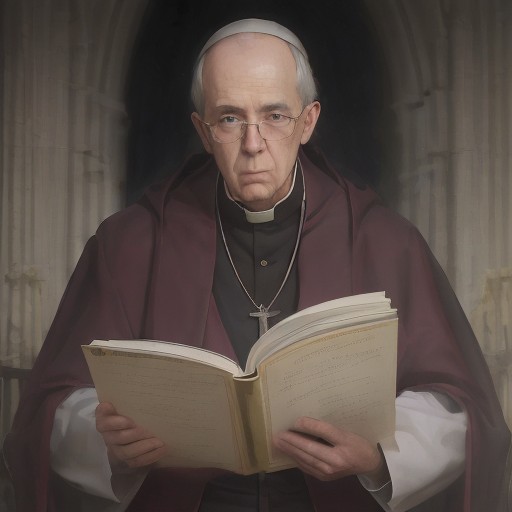
The Fall of a Religious Leader: Archbishop Welby’s Decision to Step Down
In a move that has sent shockwaves through the Church of England and beyond, Archbishop Justin Welby has announced his resignation amidst mounting allegations of negligence in addressing child abuse within the church. This decision follows the release of the contentious Makin report, which revealed an alarming history of inaction by senior clergy regarding allegations against notorious serial abuser John Smyth.
As the 105th Archbishop of Canterbury, Welby has held a position of immense authority and influence within the Anglican Communion. However, the recent revelations have cast a long shadow over his leadership, leading many to question his commitment to safeguarding within the Church. The Archbishop’s announcement that he would step down, citing the need to prioritize the Church of England’s best interests, has ignited a firestorm of debate and controversy.
The Makin Report: A Damning Exposé
The Makin report, published earlier this year, has been the catalyst for Welby’s resignation. It detailed a culture of silence and inaction among the Church hierarchy regarding allegations of child abuse against Smyth, a former barrister and evangelical leader. Despite knowledge of Smyth’s actions prior to 2017, senior church officials, including Welby himself, failed to take appropriate measures to investigate or address these grave concerns.
This revelation was particularly shocking for many, as it highlighted a significant disconnect between the Church’s public stance on safeguarding and the reality of its internal practices. The report has led to widespread accusations of hypocrisy against Welby, who has often preached about the importance of transparency and accountability within the church.
Calls for Resignation: A Divided Church
The fallout from the Makin report has been swift and severe. Over 12,000 members of the General Synod have signed a petition demanding Welby’s resignation, reflecting a deep-seated frustration with his leadership. Many church members and outsiders alike have expressed their disapproval, with Telegraph readers voicing significant dissatisfaction regarding Welby’s decision to remain in his role despite the scandal.
Critics argue that Welby’s failure to address the allegations adequately represents a broader systemic issue within the Church of England, raising questions about the institution’s commitment to protecting vulnerable individuals. The public outcry has transformed into a critical examination of the Church’s leadership and its handling of sensitive issues.
Leadership Transition: Who Will Succeed Welby?
As the Church of England prepares for a leadership transition, speculation is rife regarding potential successors. Among the names being floated are the Bishops of Norwich, Chelmsford, and Leicester. Each of these candidates brings their own unique perspectives and experiences, but the question remains whether they can restore trust in an institution that has faced significant challenges in recent years.
The transition period is expected to be crucial for the Church, as it grapples with the implications of Welby’s departure and the urgent need to address the concerns raised by the Makin report. A new leader will need to navigate the complexities of church politics while prioritizing the safety and well-being of the Church’s congregation.
Welby’s Continuing Duties: A Smooth Transition?
Despite the turmoil surrounding his resignation, Archbishop Welby has indicated that he will complete his official duties by Epiphany. This timeline suggests a concerted effort to ensure a smooth transition of responsibilities within the Church of England, allowing for a period of reflection and healing as the institution confronts its challenges head-on.
As Welby prepares to step down, many are left wondering about the legacy he will leave behind. Will he be remembered as a leader who failed to act, or will his efforts to address other issues within the church overshadow this scandal? The answer may take years to fully materialize as the Church of England seeks to rebuild its reputation.
Public Reaction: A Community in Crisis
The public reaction to Welby’s resignation has been a mixture of outrage, disappointment, and a call for accountability. Many members of the Church of England feel betrayed by the leadership, believing that the institution has not only failed its congregants but also the very values it claims to uphold.
Social media has become a battleground for discussions surrounding Welby’s tenure. Comments range from those expressing support for his resignation to those who argue that change within the Church must come from a place of understanding and compassion, rather than a punitive reaction to scandals.
The Implications for the Church of England
As the Church of England stands at a crossroads, the implications of Welby’s resignation could resonate far beyond the walls of Canterbury. The Makin report has highlighted a critical need for reform, prompting calls for more rigorous safeguarding measures and greater accountability among church leaders.
Experts suggest that the Church must take this opportunity to engage in a thorough evaluation of its policies and practices, ensuring that safeguarding is not merely a checkbox exercise but a core value embedded within the institution’s culture. This shift will be essential in rebuilding trust among congregants and the wider community.
Conclusion: A New Era for the Church of England?
Archbishop Justin Welby’s resignation marks a significant moment in the history of the Church of England, one that raises pressing questions about the future of religious leadership and institutional accountability. As the Church navigates the aftermath of the Makin report and the transition to new leadership, the eyes of the world will be watching.
Will the Church rise to the occasion, embracing a renewed commitment to safeguarding and transparency? Or will it continue to grapple with the shadows of its past? Only time will tell as the Church of England embarks on this new chapter, striving to redefine its role in a rapidly changing society.
As we reflect on these events, it is crucial for all members of the Church and concerned citizens to engage in dialogue, ensuring that the voices of those affected by abuse are heard and that meaningful change is enacted. The time for reflection and action has come, and the future of the Church of England hangs in the balance.


