
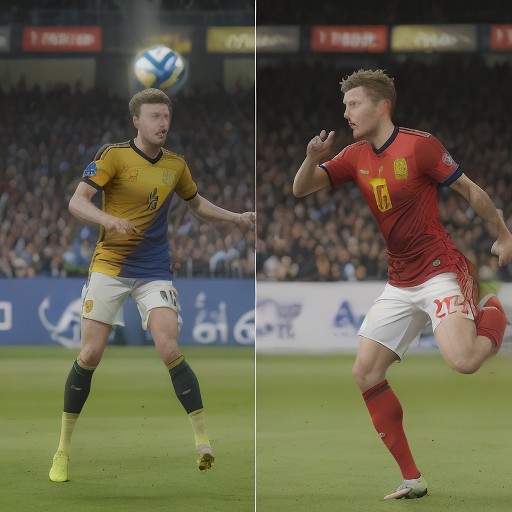
Introduction: A Match Beyond the Field
As the world tunes in to watch the Belgium vs Israel match, it’s not just about the beautiful game; it’s about the broader implications that resonate far beyond the pitch. Recent events have thrust both nations into the spotlight, where sports and politics intertwine in unexpected ways. What does this clash signify for the future of international relations and football diplomacy?
Historical Context: Sporting Rivalries and Diplomatic Tensions
Football has often served as a stage for nations to express their identities and aspirations. The Belgium national football team, known as the Red Devils, has a rich history filled with triumphs and challenges. Meanwhile, Israel’s national team has faced its own set of obstacles, both on and off the field. The Belgium vs Israel match represents a microcosm of the historical narrative each country carries.
The Current Climate: Tensions on and off the Pitch
In recent years, the geopolitical landscape has seen escalating tensions, particularly in the Middle East. Israel’s military actions in Gaza and Lebanon have drawn international scrutiny, leading to heightened emotions surrounding any Israeli representation in global events, including sports. Conversely, Belgium has made headlines for its progressive stance on various issues, often advocating for human rights and international law.
These dynamics create a charged atmosphere whenever teams from these nations meet. Will players become symbols of their country’s ideals? Will the match serve as a forum for protest or support? These questions loom large.
Belgium’s Golden Generation: A Footballing Powerhouse
The Belgium national football team is currently blessed with a roster that boasts some of the best talents in the world, including Kevin De Bruyne, Romelu Lukaku, and Eden Hazard. This golden generation has led Belgium to unprecedented success, including reaching the semi-finals of the 2018 FIFA World Cup. Their style of play, marked by technical skill and tactical intelligence, has made them a force to be reckoned with.
As they prepare to face Israel, there’s much at stake. A victory could solidify their standing in international football and boost morale at home, while a loss could shatter their aura of invincibility.
Israel’s Resilience: A Team Fighting for Recognition
In contrast, the Israel national football team has struggled for recognition on the international stage. Despite their challenges, they have consistently shown resilience and determination. The team’s journey reflects the broader Israeli narrative, grappling with issues of identity and belonging in a tumultuous region.
As they gear up to face one of Europe’s elite teams, the stakes are not just about points in a qualifying round; it’s about pride and proving their worth in the global arena. A solid performance against Belgium could be a pivotal moment for Israeli football.
The Matchup: Tactical Analysis and Predictions
When analyzing the matchup, one cannot ignore the contrasting styles of play. Belgium’s attacking prowess and depth in talent present a formidable challenge for Israel. However, Israel’s defensive organization and counter-attacking speed could pose problems for the Red Devils. Will Belgium’s star-studded lineup overwhelm Israel, or will the underdogs pull off a stunning upset?
Fans and analysts alike are buzzing with predictions. Some believe Belgium’s experience will shine through, while others argue that the emotional weight of the occasion could level the playing field. The atmosphere in the stadium is sure to be electric, with fans from both sides passionately supporting their teams.
Implications for International Relations
The Belgium vs Israel match is more than just a sporting event; it’s a reflection of the state of international relations. As players take to the field, they will undoubtedly be aware of the broader implications their performance may have. Could this match foster a sense of unity, or will it further entrench divisions?
In recent years, athletes have increasingly used their platforms to advocate for social and political change. The potential for protests or demonstrations during the match raises questions about the intersection of sports and politics. How will the international community react? Could this match spark a new wave of discussions surrounding the Israeli-Palestinian conflict?
Fan Reactions: A Divided Audience
The buildup to the match has already sparked debate among fans. Social media channels are abuzz with opinions, predictions, and calls for action. Some supporters of the Belgian team argue that politics should remain separate from sports, while others express their solidarity with Palestinian causes, urging a boycott of the match.
On the Israeli side, fans are rallying behind their team, hoping to channel national pride into a memorable performance. This divide reflects the complex emotions surrounding the match and the broader sociopolitical context.
Conclusion: Beyond the Final Whistle
As the Belgium vs Israel match approaches, the anticipation builds. Regardless of the final score, the implications of this encounter will resonate far beyond the 90 minutes of play. It serves as a reminder of how intertwined sports and politics can be, shaping perceptions and fostering dialogue.
Whether it leads to greater understanding or deeper divisions remains to be seen. One thing is clear: this match will be one for the history books, not just for its outcome but for the conversations it sparks and the reflections it inspires.
What are your thoughts on the upcoming match? Will it foster unity or division? Join the conversation and share your views!


