
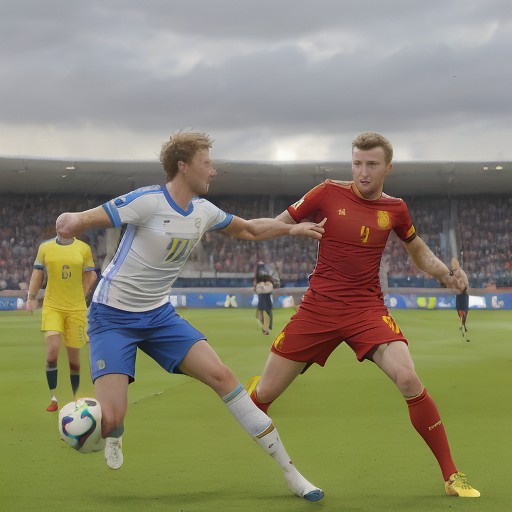
Introduction: An Unlikely Rivalry
When one thinks of international rivalries in sports, the names that often come to mind are Brazil vs Argentina or England vs Germany. However, in the backdrop of ongoing geopolitical conflicts, an unexpected narrative is unfolding between Israel and Belgium. Far from the football pitch, this story dives deep into the intertwining realms of sports, politics, and international relations. With the world watching, how will this unlikely clash shape perceptions and provoke discussions around diplomacy and sportsmanship?
The Rise of the Belgium National Football Team
Belgium’s national football team, known as the Red Devils, has seen a meteoric rise over the past decade. With a talented roster featuring world-class players such as Kevin De Bruyne and Romelu Lukaku, Belgium has become a formidable force in international football. Their journey to the top has been marked by impressive performances in major tournaments, including the UEFA Euro and FIFA World Cup.
As Belgium prepares for upcoming matches, including a highly anticipated showdown against Israel, the stakes are raised. The team’s success is not just about winning games; it’s a matter of national pride. Yet, the intersection of sports and politics looms large, especially in light of recent events unfolding in the Middle East.
Israel’s Ongoing Conflicts: A Shadow Over Sports
The Israel-Gaza conflict, which has sparked renewed hostilities since Hamas’ attack on October 7, 2023, has resulted in devastating consequences. Over 13 months of violence have led to significant casualties and massive displacement within Gaza and Lebanon. The humanitarian crisis continues to deepen, raising questions about the role of international sports in promoting peace and unity.
As the international community grapples with the fallout of this conflict, the spotlight turns toward how countries like Belgium respond. Will the Belgium national football team face backlash for engaging with a nation embroiled in controversy? Or will sports serve as a bridge for dialogue and understanding?
The Political Landscape: Reactions from Belgium
Belgium’s government has been vocal about the situation in Israel and Gaza, emphasizing humanitarian concerns and advocating for peaceful resolutions. The nation’s stance reflects a broader European sentiment, where calls for ceasefires and dialogue are common. However, the political climate is fraught with tension, as the conflict stirs emotions and opinions among the populace.
In this context, the upcoming football match against Israel is more than just a game; it symbolizes the intersection of sports and international diplomacy. How will Belgian fans react? Will they support their team while condemning the ongoing violence? The duality of passion for football and concern for human rights places Belgium in a complex position.
International Implications: The Role of Sports in Diplomacy
Sports have long been recognized as a powerful tool for diplomacy—a means to foster connections and promote understanding. The potential match between Belgium and Israel raises questions about the effectiveness of such interactions in times of crisis. Can a football game provide a platform for dialogue, or will it exacerbate existing tensions?
As the International Criminal Court (ICC) issues arrest warrants against Israeli leaders for alleged war crimes, the situation becomes even murkier. U.S. Senator Lindsey Graham’s warnings against sanctions on allies executing these warrants highlight the complex web of international relations that sports often disrupt. Belgium’s involvement in this narrative could either reinforce its commitment to human rights or draw ire from factions that support the Israeli government.
Belgium vs Israel: A Game of More Than Just Football
As fans prepare for the Belgium vs Israel match, the atmosphere is charged with anticipation and uncertainty. Will the players focus solely on the game, or will the socio-political backdrop bleed into the match? This question looms large over the event, potentially affecting player performances and fan engagement.
The match becomes a symbolic battleground, where national pride collides with the realities of international politics. What happens on the pitch could resonate far beyond the final whistle, influencing public opinion and diplomatic relations.
Fan Reactions: Divided Loyalties
Belgian fans are known for their passion and enthusiasm. However, in this case, they find themselves at a crossroads. While the thrill of supporting their national team remains paramount, the implications of playing against Israel complicate their loyalties. Some fans may choose to protest, expressing solidarity with the Palestinian cause, while others may rally behind their team, emphasizing the importance of sports as a unifying force.
This division raises an essential question: Can sports truly remain apolitical in a world rife with conflict? The answer may lie in how the match unfolds and the reactions it incites across social media and public forums.
Potential Outcomes: What Lies Ahead
The outcome of the Belgium vs Israel match will undoubtedly generate discussions that extend beyond the scoreline. A decisive victory for Belgium might bolster national pride but could also provoke backlash from those who view the match as an endorsement of Israeli policies. Conversely, a close contest or a draw could serve as a reminder of the complexities surrounding sports and international relations.
Furthermore, the match could prompt Belgium’s government to reassess its diplomatic stance regarding Israel. Depending on the public and political reactions, we may witness shifts in Belgium’s foreign policy, reflecting the influence of sports on global affairs.
Conclusion: The Intersection of Sport and Politics
As the world gears up for the anticipated match between Belgium and Israel, the narrative surrounding it is layered with complexities and controversies. This clash is not merely about football; it encapsulates the struggles for peace, national identity, and international diplomacy.
Whether fans choose to celebrate their team’s achievements or voice their concerns over the political landscape, one thing is clear: the world will be watching. The Belgium national football team stands at the crossroads of sport and politics, and their actions could reverberate far beyond the pitch.
The upcoming match represents an opportunity for dialogue and understanding—a chance for nations to come together, even amidst the chaos. As we await the kickoff, the question remains: what will this unexpected rivalry reveal about the power of sports in shaping global narratives?


