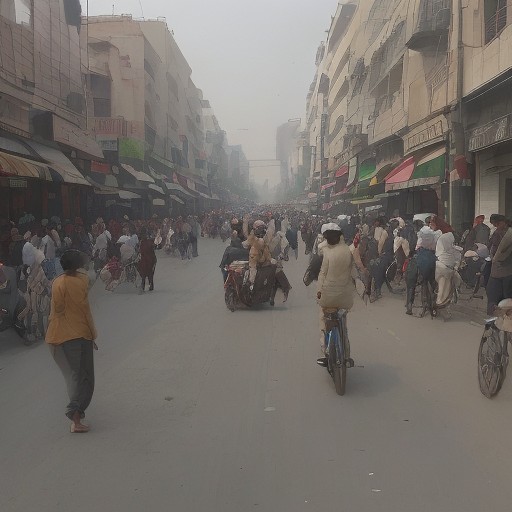
The Context of GRAP 4 Restrictions in Delhi
As Delhi battles its notorious pollution crisis, the Graded Response Action Plan (GRAP) has emerged as a crucial tool in the fight for cleaner air. With the air quality index (AQI) reaching hazardous levels, particularly during the winter months, the introduction of GRAP 4 restrictions has sparked a heated debate among citizens, environmentalists, and policymakers alike. With an AQI soaring above 450 at certain monitoring stations, the urgency for action could not be clearer.
What’s New Under GRAP 4?
Under the stringent measures of GRAP Stage 4, several significant restrictions have been enforced:
- Ban on Diesel-run Vehicles: All diesel-run medium and heavy goods vehicles (M&HGVs) registered in Delhi are now banned from entering the city, except those carrying essential supplies. The focus is on allowing only CNG, electric, and BS-VI compliant vehicles to reduce the city’s pollution levels.
- Enforcement Actions: Delhi’s Environment Minister, Gopal Rai, has taken a proactive stance, conducting late-night inspections to ensure compliance with the new rules. He has also proposed hefty fines for those who do not adhere to these regulations.
- Legal Backing: The Supreme Court’s endorsement of these measures emphasizes the serious legal framework supporting GRAP-4, with no clear end in sight as pollution levels continue to rise.
The Current State of Delhi’s Air Quality
The situation in Delhi is alarming. The Delhi AQI today shows that levels of particulate matter and other pollutants have reached unprecedented highs, leading to severe health risks for residents. Many schools have even been forced to shut down, with Delhi school news reporting closures due to the hazardous air quality. Parents, teachers, and students are left grappling with the implications of prolonged exposure to such dangerous conditions.
Public Reaction: Support or Discontent?
The response to the GRAP 4 restrictions has been mixed. On one hand, many citizens applaud the government’s efforts to prioritize public health over convenience, recognizing the dire need for cleaner air. On the other hand, truck owners and drivers express frustration over the abrupt changes, arguing that the restrictions may harm their livelihoods. Pollution in Delhi has reached a crisis point, but are the measures being taken enough?
What Lies Ahead for Delhi?
With the Delhi temperature dropping and air quality worsening, what will the future hold? The Delhi pollution news cycle is dominated by discussions of these restrictions, but will they be effective in the long run? Environmentalists argue that while these measures are a step in the right direction, they must be part of a larger, more sustainable strategy to tackle urban pollution.
The Ripple Effect: Implications for Gurgaon and Beyond
The implications of Delhi’s air quality crisis extend beyond its borders. Neighboring areas like Gurgaon are also experiencing high AQI levels, with reports of AQI in Gurgaon frequently mirroring that of Delhi. The interconnectedness of air quality across regions raises questions about regional cooperation in addressing pollution. AQI Gurgaon has seen spikes that have left residents worrying about their health and the long-term viability of living in congested urban areas.
Is GRAP 4 Enough?
Critics argue that while GRAP 4 in Delhi introduces necessary measures, it fails to address the root causes of pollution comprehensively. The city’s dependence on fossil fuels, vehicular emissions, and industrial pollution requires a multi-pronged approach, including stricter regulations on industries and a push for sustainable transportation solutions.
The Role of Education and Awareness
As schools remain closed and Delhi school news today continues to highlight the crisis, there is a strong call for educational campaigns focused on environmental awareness. Students, parents, and communities need to understand the importance of air quality and how individual actions can contribute to a healthier environment. Schools can play a pivotal role in shaping future generations who prioritize sustainability.
Conclusion: The Path Forward
The air quality index in Delhi has become a barometer of public health and environmental policy effectiveness. As GRAP 4 restrictions take center stage, Delhi faces a critical juncture. The need for immediate action is clear, but the question remains: are these measures sufficient, or merely a temporary fix? The discussion is far from over, and as the air quality crisis continues to unfold, the city must navigate a challenging path toward sustainability and health.
In the coming weeks, all eyes will be on the government’s next steps as well as public sentiment towards these measures. Will there be a shift in policy? Will Delhi’s residents see an improvement in the Delhi AQI? Only time will tell, but one thing is certain: the battle against air pollution in Delhi is far from over.


