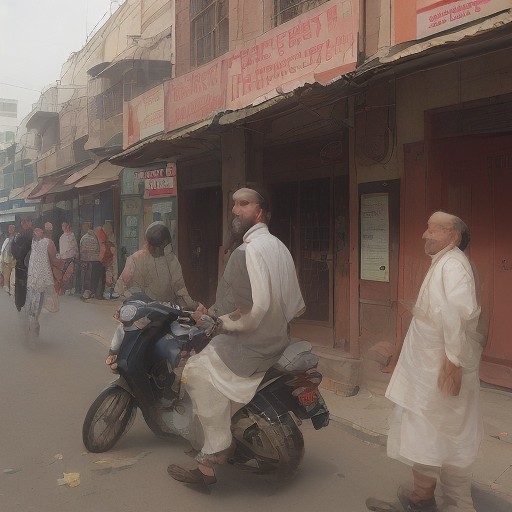
The Air Quality Crisis: Understanding GRAP 4 Restrictions in Delhi
As the capital of India, Delhi grapples with a persistent air quality crisis that sends shivers down the spine of its residents every winter. With the Air Quality Index (AQI) often soaring into hazardous levels, the government has been compelled to take stringent measures. Enter the Graded Response Action Plan (GRAP), a structured approach designed to tackle air pollution in Delhi-NCR. Currently, the city is under GRAP Stage 4 restrictions, a stage that brings about a plethora of restrictions aimed at curbing pollution. But are these measures sufficient, or are they merely a temporary fix?
What Are GRAP Stage 4 Restrictions?
Under GRAP Stage 4, several measures have been implemented to combat the dire air pollution levels that plague Delhi. These restrictions are not just bureaucratic red tape; they are a response to the alarming AQI levels that have been recorded, with some days reporting an AQI of over 500 in certain areas. The key restrictions include:
1. Ban on Diesel Run Vehicles
One of the most contentious measures is the ban on diesel-run medium and heavy goods vehicles (M/HCVs) registered in Delhi, with the exception of essential goods transport. Diesel vehicles are notorious for emitting high levels of nitrogen oxides and particulate matter, both of which contribute heavily to the toxic air that Delhiites breathe. While this measure aims to significantly reduce emissions, it has faced backlash from transport unions and businesses who argue it will disrupt supply chains and affect livelihoods.
2. Additional Public Transport Services
To encourage residents to ditch their private vehicles, the Delhi government has rolled out additional public transport services. This includes more cluster buses and extra metro trips to accommodate commuters. While this move has been welcomed by environmentalists, many residents remain skeptical about the reliability and safety of public transport in Delhi, questioning whether it can truly substitute the convenience of private vehicles.
3. Work-From-Home Policy
In a bid to reduce the number of vehicles on the road, a 50% work-from-home policy has been enforced for government agencies and private companies. This policy aims to minimize traffic congestion and lower emissions during peak hours. However, critics argue that this could lead to a decline in productivity, especially in sectors that thrive on in-person collaboration.
4. Staggered Work Timings
Alongside the work-from-home directive, private companies have been instructed to stagger work timings and introduce shuttle services. While this is a proactive step towards reducing vehicle emissions, many employees find it challenging to adapt to new schedules, causing discontent among the workforce.
5. Industrial and Vehicular Pollution Control
Under GRAP-III, the Delhi government has imposed strict measures to control industrial and vehicular pollution. This includes the prohibition of BS-III petrol and BS-IV diesel four-wheelers in Delhi. The move aims to phase out older, more polluting vehicles; however, critics argue that the focus should also be on improving public transportation infrastructure rather than solely penalizing vehicle owners.
6. School Closures: A Controversial Decision
The most contentious aspect of GRAP 4 has been the demand to close schools up to Class 5 due to hazardous air quality levels. While some parents support the call, fearing for their children’s health, others argue that this decision could disrupt education and lead to long-term academic setbacks. The debate over whether schools should remain open or closed in the face of pollution rages on.
7. Monitoring and Enforcement
The Delhi government, in collaboration with the Commission for Air Quality Management (CAQM), is tasked with the continuous monitoring of air quality and the enforcement of these restrictions. The effectiveness of these measures remains under scrutiny, as many citizens are left wondering: will these restrictions truly lead to a cleaner Delhi, or are we merely witnessing another cycle of temporary solutions?
Implications of GRAP 4 Restrictions
The implications of GRAP Stage 4 restrictions are vast and complex. On one hand, these measures signify a proactive approach to tackling Delhi’s pollution crisis, potentially leading to improved air quality in the long run. On the other hand, the immediate impacts on the economy, transportation, and daily life cannot be ignored.
Public Reaction: Are the Measures Enough?
Public sentiment surrounding GRAP 4 restrictions has been mixed. Many residents appreciate the government’s efforts to address pollution, recognizing it as a necessary evil in the face of deteriorating air quality. However, the inconvenience and economic ramifications of these restrictions are palpable. Transport unions have voiced their concerns, arguing that the diesel vehicle ban disproportionately affects small businesses and daily wage workers who rely on transportation for their livelihoods.
Future of Air Quality in Delhi
As Delhi continues to struggle with air quality issues, the long-term effectiveness of GRAP Stage 4 restrictions will depend on several factors: the commitment to enforcing these measures, the public’s willingness to adapt, and the government’s ability to invest in sustainable infrastructure. Will these restrictions pave the way for a cleaner, healthier Delhi, or are we merely postponing the inevitable? Only time will tell. In the meantime, residents are left to navigate the murky waters of pollution and policy, hoping for a day when they can breathe easy once again.
Conclusion: Is GRAP 4 the Answer?
The air quality crisis in Delhi is not just a seasonal nuisance; it is a public health emergency that demands immediate and sustained action. While the GRAP Stage 4 restrictions represent a significant step in the right direction, they are not a panacea. The citizens of Delhi deserve a comprehensive approach that addresses the root causes of pollution while ensuring their livelihoods and health are safeguarded. The ongoing debate surrounding these measures will continue as residents seek to balance their right to clean air with their daily needs.
In the end, whether GRAP 4 restrictions are seen as a bold move or a mere band-aid solution remains to be seen. One thing is clear: the fight for cleaner air in Delhi is far from over.


