
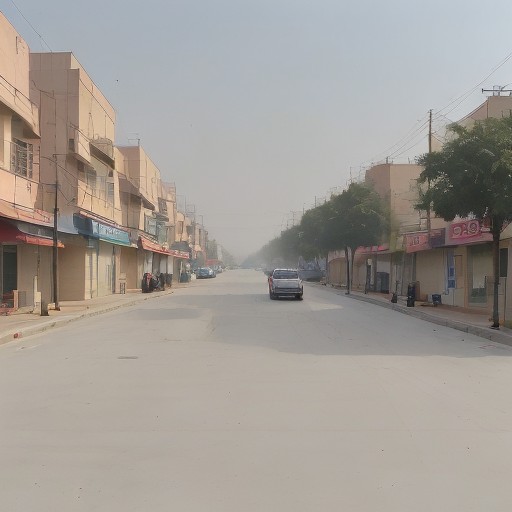
Understanding the Alarming AQI in Faridabad
As of November 24, 2024, the Air Quality Index (AQI) in Faridabad has reached a staggering 309, categorizing it firmly in the ‘very poor’ zone. This shocking figure has sent waves of concern through the community, prompting residents to question the long-term implications for their health and the environment. But what does an AQI of 309 truly signify, and how does it impact the daily lives of those in Faridabad?
The Current State of Air Quality in Faridabad
The AQI is a critical metric used worldwide, measuring the concentration of pollutants in the air. An AQI of 309 indicates a severe level of air pollution, primarily driven by particles such as PM2.5 and PM10, which are small enough to penetrate the lungs and bloodstream. As a result, exposure to such toxic air can lead to a slew of health issues, from respiratory diseases to cardiovascular problems.
The Health Risks Linked to Poor Air Quality
With such a high AQI, the inhabitants of Faridabad face significant health risks. Vulnerable populations, including children, the elderly, and those with pre-existing health conditions, are particularly at risk. Reports from health officials indicate a rise in hospital visits related to respiratory issues, exacerbated by the toxic air quality. Asthma attacks, lung infections, and other serious health complications are becoming alarmingly common.
How Did We Get Here? The Causes of Air Pollution in Faridabad
The roots of Faridabad’s air quality crisis run deep. Rapid urbanization, increased vehicular emissions, industrial discharge, and construction dust all contribute to the suffocating smog enveloping the city. In recent years, the lack of stringent regulations and enforcement has allowed these factors to flourish, creating a perfect storm for air pollution.
Public Reaction: Outrage and Calls for Action
The public response to the deteriorating air quality has been visceral. Social media platforms have become a battleground for residents expressing their frustrations, with many demanding immediate government action. “How many more reports do we need to see before something is done?” one resident tweeted, encapsulating the growing discontent. The outcry has reached local government officials, who are now under mounting pressure to address the crisis.
Government Response: Are They Doing Enough?
In response to the alarming AQI levels, local authorities have announced a series of measures aimed at combating air pollution. These include stricter regulations on industrial emissions, increased monitoring of air quality, and initiatives to promote public transportation. However, critics argue that these measures are too little, too late. “Words are not enough,” one environmental activist stated. “We need tangible actions and swift implementation.”
Long-Term Implications: What Lies Ahead for Faridabad?
The implications of continued poor air quality are dire. If the current trends persist, Faridabad could face severe health crises, economic downturns due to increased healthcare costs, and a declining quality of life. The potential for long-term environmental damage also looms large, threatening biodiversity and the overall ecosystem balance.
Possible Solutions: What Can Be Done?
Addressing the air quality crisis in Faridabad requires a multi-faceted approach. Here are some potential solutions:
- Implementing stricter emissions standards for vehicles and industries.
- Promoting green spaces that can naturally filter the air.
- Encouraging public transport to reduce reliance on personal vehicles.
- Increasing awareness about the importance of air quality among residents.
- Engaging in international partnerships focused on environmental sustainability.
Community Involvement: A Collective Effort
For real change to occur, community involvement is crucial. Residents can participate in local clean-up drives, advocate for greener policies, and support organizations dedicated to improving air quality. “If we don’t take action now, we won’t have a future,” one community leader emphasized during a recent rally, galvanizing support for a cleaner Faridabad.
Conclusion: A Call to Action for Faridabad
The shocking AQI of 309 is not just a number; it is a clarion call for action. As residents of Faridabad grapple with the implications of their air quality, it is imperative that both the government and the community come together to address this escalating crisis. The time has come for Faridabad to reclaim its air and ensure a healthier, brighter future for generations to come.
Join the Conversation
What are your thoughts on Faridabad’s air quality crisis? Do you believe the government is doing enough to tackle this issue? Share your opinions in the comments below and join the movement for cleaner air!


