
Introduction: The Haka’s Cultural Resonance
The haka, a traditional ceremonial dance steeped in Māori culture, has gained unprecedented attention in recent years as it intertwines with the social and political fabric of New Zealand. Known for its vigorous movements, powerful chants, and deep-rooted significance, the haka has evolved beyond a mere performance art into a potent symbol of identity, pride, and unity among the Māori people. As political landscapes shift and social movements gain momentum, the haka emerges as a rallying cry against injustice and a celebration of cultural heritage.
The Haka: A Brief Overview
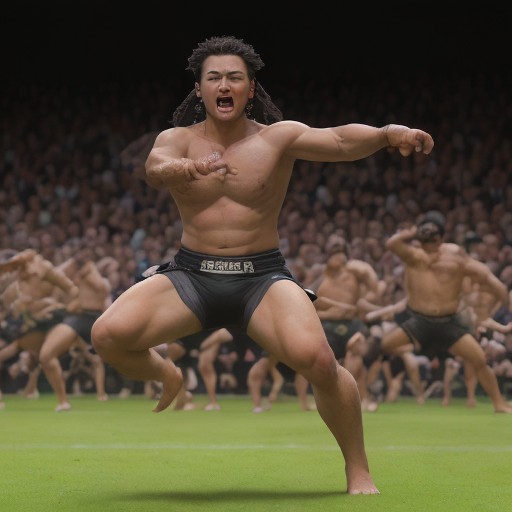
Traditionally performed by a group, the haka is characterized by its rhythmic stomping of feet, fierce facial expressions, and synchronized movements. It is an expression of mana (prestige) and mauri (life force), often performed during significant occasions such as weddings, funerals, and sports events. However, its role as a tool for protest and political expression has become increasingly prominent, especially in light of recent events in New Zealand.
A Historical Perspective: The Haka’s Roots
The haka has its origins in ancient Māori warfare, where it was performed to intimidate opponents and display strength before battle. This dance is not just a performance; it conveys a story, often recounting ancestral tales and cultural values. As New Zealand has evolved, so too has the haka, transforming into a powerful medium for expressing collective emotions and sentiments.
Recent Political Events: The Haka as a Symbol of Dissent
In November 2024, tens of thousands of people gathered in Wellington to protest a controversial bill that threatened Māori rights. As demonstrators filled the streets, many took to performing the haka, turning the dance into a powerful act of solidarity. This event marked a significant moment in New Zealand’s political landscape, showcasing the haka’s ability to unite people from diverse backgrounds in a shared cause.
The performance of the haka during protests was not merely a cultural display; it served as a defiant statement against perceived injustices. The vibrant energy and emotional intensity of the dance resonated deeply with participants and onlookers alike, making it clear that the haka is a living tradition that continues to evolve with the times.
The Haka in Parliament: A New Era of Political Expression
One of the most notable instances of the haka’s integration into the political sphere occurred when New Zealand lawmakers, including Hana-Rawhiti Kareariki Maipi-Clarke MP, performed the haka within the walls of Parliament. During parliamentary sessions, they expressed their dissent against the contentious Indigenous Treaty Principles Bill by tearing up copies of the legislation while chanting the haka. This bold act not only captured national attention but also sparked discussions about the role of cultural expressions in political discourse.
Such performances challenge traditional norms of decorum within governmental settings. They raise questions about the appropriateness of using cultural practices in political contexts. Yet, the lawmakers’ actions also highlight the haka’s significance as a tool for political expression, allowing lawmakers to voice their concerns in a manner that resonates with their constituents.
Social Media: Amplifying the Haka’s Reach
In the age of social media, the haka has transcended geographical boundaries, inspiring global audiences. Videos of haka performances during protests and political rallies have gone viral, prompting conversations about Māori rights and cultural representation. This digital amplification has encouraged others to explore the haka’s significance, propelling it into the international spotlight.
In a world increasingly influenced by online platforms, the haka serves as a reminder of the power of cultural expression in shaping narratives and fostering solidarity. As people share their experiences and connect through the haka, its impact grows, further solidifying its role as a symbol of resistance and empowerment.
The Global Impact of the Haka
The haka’s journey from the fields of New Zealand to international arenas is a testament to its universal appeal. It has been showcased at various global events, including the Rugby World Cup, where the All Blacks, New Zealand’s national rugby team, perform the haka before matches. This has not only entertained audiences but has also educated them about Māori culture and the significance of the haka.
However, the haka’s commercialization raises important questions about cultural appropriation. While its global popularity has contributed to increased awareness, it also necessitates a careful examination of how Māori culture is represented and respected. The challenge lies in ensuring that the haka remains a genuine expression of Māori identity rather than becoming merely a spectacle for entertainment.
The Haka as a Tool for Healing and Reconciliation
Beyond its role in protest and politics, the haka is also a means of healing and reconciliation. Following events that have caused trauma within communities, the haka can serve as a collective expression of grief and resilience. It allows individuals to come together, share their experiences, and find strength in unity.
Organizations and initiatives focused on Māori wellbeing have increasingly incorporated the haka into their programs, using it as a therapeutic tool to foster connection and healing. This underscores the haka’s versatility, highlighting its ability to adapt and respond to the needs of the community.
Future Implications: The Haka’s Role in Social Movements
As social movements continue to rise globally, the haka stands as a powerful example of how cultural practices can influence activism. Its ability to unite people and convey strong emotions makes it an effective tool for expressing dissent and advocating for change. The haka’s recent prominence in political protests suggests that it will continue to play a significant role in shaping New Zealand’s socio-political landscape.
However, this raises important considerations about the commercialization and appropriation of the haka. As its popularity grows, it is crucial to maintain a balance between cultural expression and respect for its origins. Educating audiences about the haka’s significance and the values it represents will be paramount in preserving its integrity.
Conclusion: Embracing the Power of the Haka
The haka is more than just a dance; it is a vibrant expression of culture, identity, and resistance. As it evolves and adapts to contemporary contexts, the haka remains a powerful symbol of Māori heritage and an influential tool for social change. Its recent applications in political protests and global platforms highlight the ongoing relevance of this ancient tradition.
As New Zealand grapples with issues of indigenous rights and cultural representation, the haka will undoubtedly continue to serve as a beacon of hope, unity, and resilience. By embracing the power of the haka, we not only honor its rich history but also recognize its potential to inspire future generations in their pursuit of justice and equality.


