
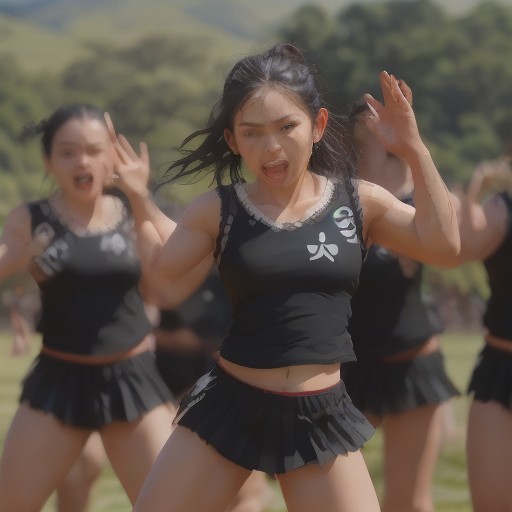
The Haka: A Cultural Powerhouse of Māori Identity
The **Haka** dance is more than just a performance; it is a vibrant expression of the **Māori culture** of New Zealand, steeped in history and rich in meaning. This traditional ceremonial dance, characterized by vigorous movements, stamping feet, and a powerful chant, serves various purposes from celebrating victories to mourning losses. Its significance has surged recently, especially amid socio-political events that have galvanized New Zealanders, particularly the Māori community.
Recent Events: Haka as a Symbol of Protest
In a striking display of unity and cultural pride, tens of thousands of people rallied in Wellington to protest against an Indigenous Treaty Bill that many claim threatens the core of New Zealand’s founding treaty and undermines Māori rights. This pivotal moment in recent history saw **Māori MPs** taking to the floor of Parliament, performing a haka that resonated deeply with the crowd. One young MP not only delivered a passionate performance but also tore up a copy of the controversial bill, emphasizing the urgency and gravity of the situation.
This performative act was not merely a show of strength but a poignant reminder of the ongoing struggle for Māori rights and recognition. The haka, often associated with war and preparation for battle, transformed into a powerful symbol of resistance, highlighting how deeply intertwined the dance is with cultural identity and political activism.
The Haka’s Role in New Zealand’s Cultural Heritage
Beyond its recent political implications, the haka is an integral component of New Zealand’s cultural fabric. Traditionally performed during significant events, such as welcoming dignitaries or commemorating achievements, the haka is a celebration of **unity**, **pride**, and **identity**. It connects the past with the present, allowing performers to honor their ancestors while asserting their cultural presence in contemporary society.
One of the most well-known contexts for the haka is in **rugby**, where the New Zealand national team, the All Blacks, performs the dance before matches. This ritual has become a hallmark of New Zealand’s sporting culture, inspiring awe and respect from opponents and fans alike. The All Blacks’ haka has not only showcased Māori culture on a global stage but has also encouraged other international teams to adopt similar practices, further spreading the dance’s significance.
Haka and the Global Stage: A Cultural Exchange
The haka has transcended its origins, becoming a symbol of cultural pride that resonates with diverse audiences worldwide. Its adoption by various sports teams, particularly in rugby, has sparked discussions about cultural appropriation versus appreciation. Critics argue that the haka’s commercialization can dilute its original meaning, while supporters contend that its global visibility fosters a deeper understanding of Māori culture.
For instance, South African rugby teams have embraced the haka, performing their renditions before matches. This cultural exchange has led to a broader dialogue about respect, authenticity, and the importance of honoring the origins of such practices. As the haka continues to gain international recognition, the challenge remains: how to preserve its integrity while celebrating its evolving role in global culture.
The Haka: A Dance of Many Faces
The versatility of the haka is one of its most remarkable aspects. While it is often associated with war dances or confrontational displays, it can also be a celebration of life, love, and community. Different types of haka exist, each with unique purposes, from the high-energy war haka to the more subdued haka used in ceremonies. This diversity allows the haka to adapt to various contexts, making it a living art form that reflects changing cultural dynamics.
For example, during weddings or significant milestones, a haka can be performed to honor the couple or the occasion, symbolizing love and unity. In this way, the haka serves as a bridge, connecting individuals to their heritage while allowing for personal expression. The dance embodies the essence of Māori identity, revealing the depth and complexity of their cultural narrative.
Implications of the Recent Protests: A Call for Reflection
The recent protests and the poignant display of haka in Parliament have ignited conversations about the future of Māori rights and representation in New Zealand. The **Indigenous Treaty Principles Bill** has raised concerns about the potential erosion of rights that have been fought for over generations. As New Zealand grapples with its colonial past and seeks to navigate a path towards reconciliation, the haka stands as a powerful reminder of the need for respect, recognition, and preservation of Māori culture.
Critics of the bill argue that it dilutes the principles enshrined in the Treaty of Waitangi, a document that holds immense significance for both Māori and non-Māori New Zealanders. The haka performed during the protests serves as a rallying cry for unity, urging all New Zealanders to reflect on their roles in shaping a more equitable society. As the nation contemplates its future, the haka remains a vital tool for expressing collective sentiments, advocating for change, and reasserting cultural identity.
Cultural Preservation and the Future of the Haka
As discussions about cultural preservation and representation intensify, the haka’s role becomes increasingly significant. Education and awareness surrounding the haka and its meanings are crucial in ensuring that future generations appreciate and respect this traditional dance. Māori communities are working diligently to pass down the knowledge and significance of the haka, emphasizing its importance in cultural identity and societal cohesion.
Moreover, as New Zealand continues to embrace its multicultural identity, the challenge lies in finding a balance between celebrating diverse cultures while honoring the unique heritage of the Māori. The haka serves as a powerful reminder of this balance, illustrating how cultural expression can foster unity and understanding among different communities.
Conclusion: The Haka’s Enduring Legacy
The haka is far more than a dance; it is a living testament to the resilience and spirit of the Māori people. As it continues to evolve, the haka remains a profound expression of cultural pride, unity, and resistance. Recent events have highlighted its significance in contemporary society, reminding all New Zealanders of the importance of respecting and preserving their cultural heritage.
As the world watches, the haka stands at the crossroads of tradition and modernity, a powerful reminder that cultural identity is not static but rather a dynamic, living force that shapes our collective future. In a time of change and uncertainty, the haka calls us to reflect, unite, and move forward together.


