
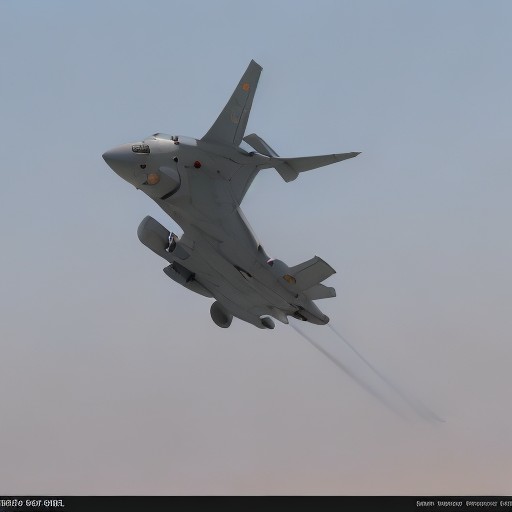
The New Era of Aerial Warfare
As tensions rise in the Middle East, the battlegrounds have evolved into a complex theater of drone warfare, pitting U.S. fighter pilots against Iranian drones. Recent incidents highlight a dramatic shift in military engagements, as advanced aerial technologies become the frontline in geopolitical conflicts.
Iran’s Missile Assault: A Wake-Up Call
A startling incident occurred recently when Israel’s multi-layered missile defense system was activated in response to an Iranian missile attack. This event not only underscores the increasing sophistication of Iranian military capabilities but also serves as a wake-up call for the U.S. and its allies. The Iranian arsenal now includes drones and missiles that challenge even the most advanced defense systems, raising alarms about the potential for escalated conflicts across the region.
Yemen’s Houthi Rebels: The Unseen Threat
The conflict in Yemen has taken a dangerous turn as Iranian-backed Houthi rebels have claimed responsibility for multiple attacks on American-made MQ-9 Reaper drones. In a recent bold claim, they announced the downing of another MQ-9 using a surface-to-air missile. While the U.S. military has not confirmed any losses, these attacks reveal the persistent threat posed by Iranian proxies and the implications for U.S. military operations in the Middle East.
Rising Tensions: The Role of Advanced Air Defense Systems
The recent interactions between U.S. fighter pilots and Iranian drones highlight the urgency of developing advanced air defense capabilities. The Indian Air Force’s recent induction of the C-295 medium tactical transport aircraft exemplifies this need. Equipped with cutting-edge technology, this aircraft aims to bolster quick decision-making in rapidly evolving battle scenarios, a sentiment echoed by military leaders globally.
Strategic Insights from Military Leaders
In a recent address, Chief of Defence Staff General Anil Chauhan emphasized the necessity for future strategic leaders to enhance decision-making skills amidst the changing dynamics of warfare. The proliferation of technologies such as hypersonics and artificial intelligence is reshaping military conflicts, making the development of advanced air defense systems more crucial than ever. These technologies not only improve defensive capabilities but also shape offensive strategies against threats like Iranian drones.
U.S. Fighter Pilots: The Human Element in a Technological War
Despite the sophistication of drones and missile systems, the role of U.S. fighter pilots remains indispensable. Their training and experience in aerial combat are vital as they navigate a landscape where traditional dogfighting is increasingly replaced by electronic warfare and unmanned systems. The psychological toll and physical demands on pilots cannot be overlooked, as they are thrust into high-stakes scenarios with little room for error.
Iran’s Expanding Drone Arsenal: A Cause for Concern
The Iranian military’s investment in drone technology has raised alarms worldwide. These drones, capable of conducting surveillance and delivering precision strikes, are being deployed not only in regional conflicts but also in asymmetric warfare tactics. The U.S. intelligence community has warned that these capabilities could soon challenge U.S. interests in the region, leading to calls for enhanced military readiness and strategic planning.
The Global Implications of Drone Warfare
The rise of drone warfare, particularly involving Iranian assets, has far-reaching global implications. Countries around the world are taking note, as the effectiveness of drones in combat scenarios could influence military strategies and defense allocations. The U.S. and its allies must reconsider their military doctrines to address this new reality, which could reshape alliances and provoke new conflicts.
Public Opinion and Military Strategy: A Delicate Balance
As military engagements evolve, public opinion plays a crucial role in shaping military strategy. The American public’s perception of drone warfare—often viewed as a necessary evil to combat terrorism—could shift if incidents involving U.S. pilots and Iranian drones escalate. This delicate balance between maintaining national security and managing public sentiment is a challenge that military leaders must navigate carefully.
The Future of Aerial Combat: Are We Prepared?
As we look toward the future of aerial combat, one must ask: Are we prepared? With the rapid advancement of drone technology and the increasing frequency of confrontations between U.S. forces and Iranian drones, the stakes have never been higher. Continuous training, strategic foresight, and the integration of advanced technologies will be critical in ensuring that U.S. forces can effectively counter emerging threats.
Conclusion: A Call to Action
The ongoing interactions between U.S. fighter pilots and Iranian drones are not merely isolated incidents; they are part of a larger narrative of an evolving battlefield. As tensions simmer and conflicts escalate, it is imperative for military leaders, policymakers, and the public to engage in discussions about the implications of drone warfare. The future of military strategy depends on our ability to adapt to these new challenges and ensure that we remain one step ahead in this high-stakes game of aerial chess.
In the coming months, as we witness more interactions between U.S. forces and Iranian drones, the world will be watching closely. The outcomes of these encounters could very well redefine the landscape of modern warfare.


