
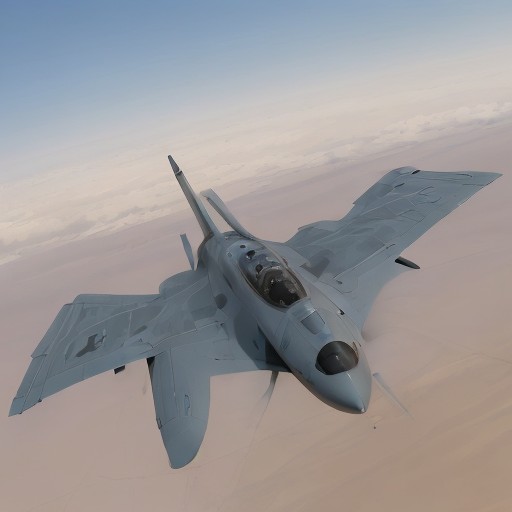
The Rise of Drone Warfare in the Middle East
In an era defined by technological advancements, the battlefield has evolved dramatically, and nowhere is this more evident than in the ongoing conflict in the Middle East. Recent drone activity, particularly involving Yemen’s Houthi rebels, has reignited concerns over the use of unmanned aerial vehicles (UAVs) in warfare. The alarming trend of drone attacks poses new challenges for U.S. fighter pilots and their ability to maintain air superiority.
The Houthi Rebels Strike Again
In a shocking development, Yemen’s Houthi rebels claimed to have successfully downed an American-made MQ-9 Reaper drone over Yemeni territory. This incident, while not immediately acknowledged by the U.S. military, underscores the persistent threat posed by drone warfare in the region. The MQ-9 Reaper, a formidable reconnaissance and strike asset, is designed to engage in various operations, yet its vulnerability to ground-based threats raises critical questions about the effectiveness of current military strategies.
Iran’s Expanding Drone Arsenal
As the Houthi rebels ramp up their drone capabilities, Iran has been busy bolstering its own arsenal, leading to heightened tensions with regional adversaries, particularly Israel. Reports have surfaced detailing Iranian military planning that may involve the deployment of advanced drones aimed at surveilling and potentially engaging Israeli targets. This development not only escalates the conflict dynamics in the region but also poses a direct challenge to U.S. interests.
U.S. Military’s Response to Drone Threats
The Pentagon is acutely aware of the escalating drone warfare threat. Between May 2023 and June 2024, there was a staggering increase in reports of unidentified flying objects (UFOs), totaling 757 cases. While these sightings raise eyebrows, the lack of specific engagement reports between U.S. fighter pilots and Iranian drones points to a gap in the operational narrative. Are U.S. pilots encountering Iranian drones more frequently than acknowledged? Or is the military simply adapting its strategies to avoid direct engagements?
Technological Advancements in Modern Warfare
As drone technology continues to advance, the importance of sophisticated countermeasures becomes paramount. The chief of the Indian Defence Staff recently emphasized the necessity of incorporating advanced technologies such as artificial intelligence (AI), machine learning, and stealth capabilities into military operations. These technologies could be crucial in countering the increasingly sophisticated drone technology employed by adversaries like Iran and its proxies.
Potential Escalation: A Dangerous Game of Cat and Mouse
As tensions mount, the potential for a direct confrontation between U.S. fighter pilots and Iranian drones looms large. The implications of such an engagement could be dire, potentially leading to a broader regional conflict. The use of drones not only complicates the battlefield but also blurs the lines of engagement, raising ethical and strategic questions about the future of warfare.
What Lies Ahead for U.S. Forces?
The evolving nature of warfare necessitates a shift in focus for U.S. military strategy. With the recent uptick in drone activity, U.S. forces may need to enhance their capabilities to counteract drone threats effectively. This could involve investing in advanced technologies and developing new tactics that leverage the strengths of both manned and unmanned aerial systems.
International Repercussions: Allies and Adversaries
The implications of U.S. engagements with Iranian drones extend beyond the immediate conflict. Allies in the region are closely monitoring the situation, and the potential for U.S. military action could influence their own defense strategies and engagements. Conversely, adversaries may perceive a direct confrontation as an opportunity to advance their own agendas, further complicating the geopolitical landscape.
Public Perception and Media Influence
The role of media in shaping public perception of drone warfare cannot be understated. As incidents involving drones gain attention, public opinion may shift, influencing government policies and military strategies. Sensationalized reporting can create a climate of fear or support for military action, ultimately shaping the narrative surrounding U.S. involvement in the region.
Conclusion: The Need for Strategic Adaptation
As the threat of drone warfare continues to evolve, U.S. fighter pilots face an uncertain future in the skies over the Middle East. The recent claims by Houthi rebels and the growing capabilities of Iranian drones signal a shift in the nature of aerial combat. To maintain air superiority and protect national interests, the U.S. military must adapt to these new realities, harnessing technology and innovative strategies to counter the drone threat effectively.
In this new age of warfare, the skies are no longer solely the domain of traditional fighter jets; they are increasingly populated by drones, changing the rules of engagement and requiring a reevaluation of existing military protocols. The question remains: as drone warfare becomes the norm, how will the U.S. respond, and what will that mean for the future of aerial combat?


