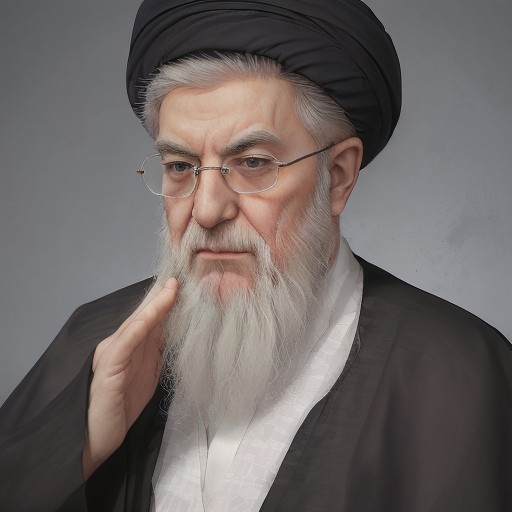
Introduction: The Shadow of Leadership
As the world watches with bated breath, Ayatollah Ali Khamenei, the Supreme Leader of Iran, has become a focal point of intrigue and speculation. Recent reports indicate that Khamenei’s health may be deteriorating. This situation raises profound questions about the future of Iranian leadership and the stability of the nation amid escalating tensions with both Israel and the U.S.
Health Concerns: A Leader’s Fragility
In the corridors of power, whispers about Khamenei’s health have ignited debates about the potential implications for Iran’s political landscape. Sources suggest that the 84-year-old leader is facing significant health issues, leading to speculation that his son, Mojtaba Khamenei, may soon take on a more pronounced role in governance. This potential transition could mark a pivotal moment in Iranian politics, challenging the status quo that has defined the Islamic Republic for over four decades.
The Public Eye: Anticipated Speeches and Statements
Despite health concerns, Khamenei’s resolve remains unshaken. He is scheduled to deliver a highly anticipated televised speech on Monday, streamed live on his office’s website and national television. This event is expected to garner significant attention, as it will provide insight into Khamenei’s current stance on critical issues facing Iran and its allies.
In recent addresses, Khamenei has not shied away from addressing the elephant in the room—heightened tensions with Western powers. His stern warnings to Israel and the United States have sent shockwaves through international circles, underscoring a precarious balance of power in the Middle East. Observers are eager to learn whether Khamenei will maintain this aggressive posture or signal a willingness to engage diplomatically.
Diplomatic Maneuvers: A Tactician at Work
In an interesting twist, Khamenei has also been involved in diplomatic talks with Saudi Arabia, showcasing his willingness to engage with regional adversaries. This move could be interpreted as a pragmatic approach, acknowledging the necessity of cooperation in an increasingly volatile environment. The Iranian President, Masoud Pezeshkian, has also participated in defense discussions, indicating a concerted effort to bolster Iran’s strategic position.
The Official Narrative: Preserving the Legacy
The official website of the Office for the Preservation and Publication of the Works of Grand Ayatollah Sayyid Ali Khamenei serves as a crucial platform for disseminating his thoughts and speeches. Available in multiple languages, the site reflects Khamenei’s commitment to shaping narratives that resonate with both domestic and international audiences. As the Supreme Leader navigates through health challenges, his written legacy will undoubtedly play a pivotal role in shaping Iran’s future, regardless of who may succeed him.
Public Sentiment: The People’s Reaction
The Iranian populace finds itself at a crossroads, grappling with the implications of Khamenei’s potential health decline. While some view the possibility of Mojtaba Khamenei stepping into a leadership role with skepticism, others see it as an opportunity for a generational shift in leadership. Public opinion remains divided, reflecting broader societal tensions and the desire for reform versus the preservation of the revolutionary ideals that have long governed the nation.
Speculations and Theories: What Lies Ahead?
As the narrative unfolds, speculations abound regarding what a potential transition in leadership could mean for Iran’s relationship with the West and its regional allies. Will Mojtaba Khamenei adopt his father’s hardline stance, or will he seek a more conciliatory approach aimed at easing tensions? The answers to these questions could shape the geopolitical landscape for years to come.
The Global Stage: An Increasingly Complex Web
The international community remains watchful, aware that any shift in Iran’s leadership dynamics could have far-reaching consequences. Analysts are particularly concerned about how Khamenei’s health issues might embolden adversaries or lead to miscalculations on the Iranian side. The interplay of power between Iran, Israel, and the U.S. is fraught with potential volatility, and Khamenei’s declining health adds an unpredictable layer to this already complex situation.
Conclusion: An Era of Uncertainty
As we stand on the brink of a possible transformation in Iranian leadership, one thing is clear: the health of Ayatollah Ali Khamenei is not just a personal matter; it is a national issue with profound implications for the entire region. The upcoming speech will likely serve as a barometer for Khamenei’s political agenda and the direction Iran intends to take in the face of mounting challenges.
In this era of uncertainty, the eyes of the world remain trained on Iran, awaiting the next chapter in the storied saga of its leadership—and the shadow cast by Ayatollah Ali Khamenei.


