
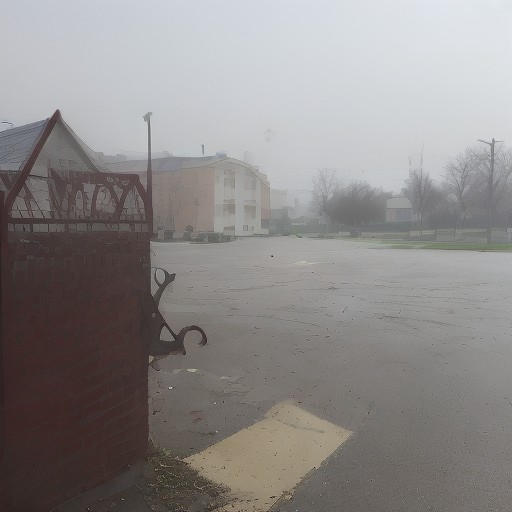
The Alarming Rise of Pollution-Induced School Closures
In a shocking turn of events, schools across northern India are shutting their doors as air quality plummets to alarming levels. The recent decision to suspend physical classes offers a glimpse into the growing concern for children’s health amid a pollution crisis that seems to be spiraling out of control. With cities like Gurugram, Faridabad, Noida, Greater Noida, and even parts of Rajasthan and Haryana taking drastic measures, the question looms—are we sacrificing our children’s education for their safety?
Gurugram and Faridabad: A Lesson in Health Over Education
Starting from November 25, physical classes for students up to Class 12 have been suspended in both urban and rural areas of Gurugram and Faridabad due to staggering levels of air pollution. This unprecedented move stems from growing health and safety concerns for children, who are particularly vulnerable to the dire effects of poor air quality. Parents are left grappling with the implications of this closure as they wonder what this means for their children’s education.
Noida and Greater Noida Follow Suit
Hot on the heels of their neighboring cities, Noida and Greater Noida have also announced the suspension of physical classes until November 25. The decision reflects a unified response from local authorities to mitigate health risks linked to pollution. With schools now shifting to online formats, questions arise regarding the effectiveness of virtual learning in maintaining educational standards. Will our children truly be able to keep pace with their studies while confined to their homes?
Delhi’s Partial School Shutdown: Who’s Affected?
The capital city of Delhi has not been spared from the pollution crisis, leading to the suspension of all classes except for 10th and 12th grades. This selective closure raises eyebrows—why are the older students still required to attend? While authorities claim that this decision aims to prioritize board exam preparation, parents and educators are left to wonder about the fairness of such measures. As Delhi University opts for online classes until November 23, the education landscape in the city is transforming rapidly, leaving many students and parents anxious about their futures.
Rajasthan’s Response: Closing Schools to Protect Kids
In Rajasthan, particularly in the Khairthal-Tijara District, schools have also succumbed to the pollution crisis. The decision to close schools highlights the severity of the situation, as authorities scramble to protect the health of students. With many families already under strain from the pandemic, this additional burden raises concerns about the long-term impact on children’s education and mental health.
Haryana’s Nuh District: A Critical Safety Measure
In Haryana’s Nuh district, schools for children up to Class 5 have been temporarily closed due to rising pollution levels. This decision underscores the urgency of the situation, especially for younger children who are more susceptible to respiratory issues. Parents are caught in a dilemma: how do we balance education with the well-being of our children? The answer is not as straightforward as it seems.
The Bigger Picture: What Does This Mean for Education?
The ripple effects of these school closures are far-reaching. As educational institutions grapple with the challenge of transitioning to online learning, the question arises: can virtual education truly replace the in-person experience? While technology has made remote learning possible, many experts argue that it cannot replicate the social interactions and hands-on learning essential for a child’s holistic development.
Public Reaction: A Nation Divided
The public’s response to these closures has been mixed. On one hand, many parents applaud the authorities for taking necessary precautions to protect their children’s health. On the other hand, there are those who feel that the education system is failing to provide consistent learning opportunities in times of crisis. The debate surrounding the balance between safety and education has sparked outrage among parents, educators, and policymakers alike.
Potential Long-Term Implications
As the pollution crisis worsens, the potential long-term implications for education cannot be ignored. Studies show that prolonged exposure to pollution can have detrimental effects on children’s cognitive abilities and overall health. Furthermore, the disruption in education may exacerbate existing inequalities, with children from disadvantaged backgrounds facing even greater hurdles in accessing quality education.
Call to Action: What Can Be Done?
As we navigate through this crisis, it is imperative for all stakeholders—government, schools, and families—to come together to find sustainable solutions. Policymakers need to prioritize environmental initiatives aimed at reducing pollution, while schools must continue to innovate in their approach to education. Parents, too, have a role to play in advocating for their children’s rights to both a safe environment and quality education.
Conclusion: A Plea for Change
The recent wave of school closures due to pollution serves as a wake-up call for society as a whole. As we grapple with the implications of these decisions, we must remember that the health and future of our children are at stake. It is time for a collective effort to address the pollution crisis, ensuring that our children can attend school without fear for their health and safety. The future of education in India depends on it.
As we look ahead, one thing is clear: the fight for clean air is not just a matter of health; it is a fight for the very future of our children and their education.


