
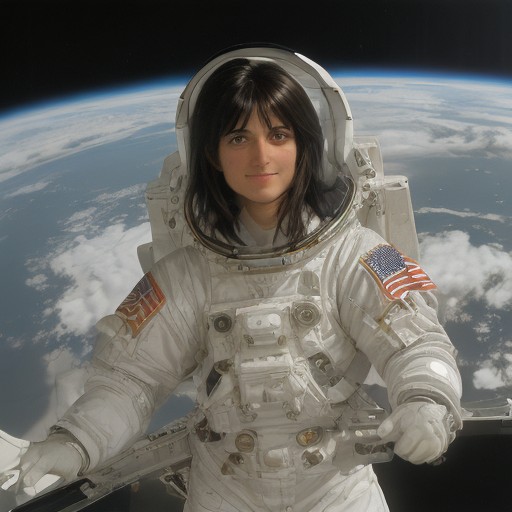
Background and Experience: A Trailblazer in the Cosmos
Sunita “Suni” Williams, a name that resonates with adventure and resilience, has been captivating the world since she joined NASA as an astronaut in 1998. At 58, this remarkable woman has not only broken records but also shattered barriers in the male-dominated field of space exploration. A naval officer and former test pilot, Williams holds the prestigious title for the most spacewalks conducted by a woman—an astounding seven outings totaling an impressive 50 hours and 40 minutes in the vacuum of space.
Her journey to the stars took a historic turn in 2007 when she became the first person to run a marathon in space, completing the Boston Marathon on a treadmill aboard the International Space Station (ISS). This milestone was not just a personal achievement but a testament to human determination and the spirit of exploration.
The Current Mission: Unexpected Challenges in the Void
Currently, Williams finds herself in a precarious situation, having been stranded on the ISS for an extended period. Initially slated for an eight-day mission alongside fellow astronaut Barry “Butch” Wilmore, their stay has been extended to five months due to complications with Boeing’s Starliner spacecraft. While many would feel the weight of isolation in the vastness of space, both Williams and Wilmore have shown remarkable fortitude.
However, the extended duration has raised eyebrows. NASA has had to address concerns regarding the astronauts’ health, particularly after images of Williams revealed a thinner frame, sparking speculation about their dietary intake. Despite these concerns, NASA officials have reassured the public that both astronauts are in good health, diligently monitoring their well-being as they conduct vital research and maintenance tasks aboard the ISS.
Life on the ISS: A Unique Perspective
Life aboard the ISS is nothing short of extraordinary. With the station orbiting the Earth every 90 minutes at a staggering speed of 28,000 km/h, Williams experiences an awe-inspiring 16 sunrises and sunsets each day. This unique perspective provides her with moments of reflection amidst the rigors of scientific research.
Williams and Wilmore have been actively engaged in various activities during their extended stay, from conducting experiments that could pave the way for future space exploration to performing critical maintenance on the ISS. The dynamic duo has embraced their circumstances, finding joy in their work and the camaraderie shared in the infinite expanse of space.
Emotional Toll and Family Connections
Despite the thrill of their mission, the emotional toll of being away from loved ones cannot be ignored. Williams has openly expressed her longing for family and friends, a sentiment that resonates deeply with anyone who has ever experienced separation from loved ones. The astronauts have found ways to stay connected, even planning to vote in the upcoming U.S. presidential election from their unique vantage point in space, a nod to the importance of civic engagement that transcends earthly boundaries.
Return to Earth: The Countdown Begins
Looking ahead, both astronauts are set to return home aboard a SpaceX Crew-9 Dragon spacecraft in early 2025. As the countdown begins, the anticipation of reuniting with family and friends must be a bittersweet feeling, especially after such an extended period in the cosmos. Yet, the legacy Williams leaves behind will resonate far beyond her time aboard the ISS.
The Implications of Extended Space Missions
Williams’ extended stay on the ISS raises critical questions about the future of human space exploration. As NASA and private companies like SpaceX prepare for longer missions to Mars and beyond, understanding the physical and psychological impacts of prolonged space travel becomes paramount. How will astronauts cope with isolation? What measures need to be in place to ensure their health and well-being? These are questions that scientists and researchers are grappling with, and Williams’ current experience could serve as a vital case study.
Conclusion: A Hero in Space
Sunita Williams is not just an astronaut; she is a symbol of human resilience, courage, and curiosity. Her journey through the challenges of space exploration continues to inspire generations. As she navigates the complexities of life aboard the ISS, one thing is clear: her contributions to science and exploration are invaluable, paving the way for future generations of astronauts.
As we watch Williams and Wilmore from Earth, their stories remind us of the vast possibilities that await humanity in the cosmos. The implications of their journey extend far beyond their individual experiences, inviting us to dream and wonder about our place in the universe.


