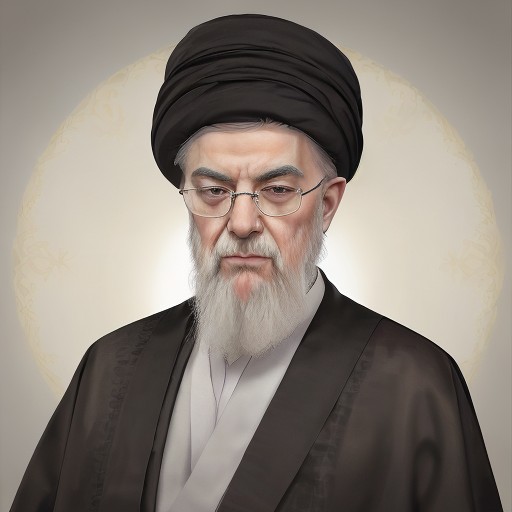
Ayatollah Ali Khamenei: The Man Shaping Iran’s Destiny
As the Supreme Leader of Iran, Ayatollah Ali Khamenei has been a central figure in shaping the Islamic Republic’s policies and direction since the death of Ayatollah Khomeini in 1989. With the political landscape of Iran shifting and the region in turmoil, Khamenei’s recent activities and health concerns have prompted both domestic and international speculation about the future of Iran under his leadership.
The Significance of Basij Week
On November 24, 2024, Khamenei is slated to deliver a pivotal address during the opening of Basij Week, an event that honors the Basij paramilitary force, part of the Islamic Revolutionary Guard Corps (IRGC). This meeting is highly anticipated, with many viewing it as a significant opportunity for Khamenei to reaffirm his authority and outline his vision for Iran amidst ongoing challenges.
The speech, which will be broadcast live on national television and radio starting at 10:15 a.m., is expected to address key issues facing the nation, including internal security, regional conflicts, and Iran’s military preparedness. Observers are keenly watching how Khamenei will frame Iran’s responses to external threats, particularly in light of recent events in the region.
Tensions in the Middle East: A Response to Israeli Airstrikes
Recent Israeli airstrikes targeting Iranian military facilities have escalated tensions between the two nations. In response, Khamenei’s senior adviser, Ali Larijani, has indicated that Iran is preparing a decisive response. This statement signals a potential shift in Iran’s military strategy and raises the stakes for Khamenei’s upcoming speech.
These developments could impact Iran’s posture not only towards Israel but also its relationships with other regional powers and the West. Khamenei’s rhetoric during Basij Week may serve as a rallying cry for Iranian nationalism, emphasizing unity against perceived external aggression.
Health Concerns: The Uncertain Future of Leadership
As Khamenei approaches his 85th birthday, concerns about his health have become more pronounced. Reports suggest that he may be unwell, sparking speculation about the future of leadership in Iran. The possibility of his son, Mojtaba Khamenei, stepping into a leadership role has been a topic of discussion among political analysts and insiders alike.
This potential transition of power raises questions about the ideological continuity of Iran’s leadership. Would Mojtaba Khamenei maintain his father’s hardline stance, or could he be more reformist in his approach? As Iran grapples with economic challenges and international isolation, the answers to these questions could have profound implications for the nation’s future.
The Broader Implications of Khamenei’s Leadership
With the backdrop of Khamenei’s upcoming speech and the ongoing geopolitical tensions, the implications of his leadership extend beyond Iran’s borders. The Supreme Leader’s policies have significant ramifications for the stability of the Middle East and the global balance of power.
The Iranian regime’s approach to issues such as nuclear development, support for proxy groups in the region, and its relationship with Western powers are all under scrutiny. Khamenei’s decisions in the coming months, particularly in light of external pressures and internal dissent, may define Iran’s trajectory for years to come.
Public Sentiment and Reaction
The Iranian public’s sentiment towards Khamenei and his government remains complex. While many support the revolutionary ideals he represents, others are increasingly disillusioned by economic hardships and lack of personal freedoms. The upcoming Basij Week celebrations could serve as a litmus test for the regime’s popularity.
How Khamenei addresses these issues in his speech will be pivotal. Will he acknowledge the struggles of ordinary Iranians, or will he double down on his rhetoric of defiance against the West? The reaction from the public could have lasting effects on the stability of his regime.
Looking Ahead: What’s Next for Iran?
As we approach the date of Khamenei’s highly anticipated speech, the world watches closely. Will Khamenei reaffirm his position as the unwavering leader of Iran, or will his health concerns and the pressures of modern governance force a change in direction?
As events unfold, the implications of Khamenei’s leadership, especially in light of recent tensions and his potential successor, will undoubtedly shape Iran’s future. Discussions surrounding these topics are not just limited to political analysts; they are being echoed in homes across Iran and in international forums.
Conclusion: The Unfolding Drama of Iranian Politics
The upcoming Basij Week and Khamenei’s speech are not just events on the calendar; they symbolize the ongoing struggle for power and the quest for national identity in Iran. As the Supreme Leader prepares to address his supporters, the world waits with bated breath to see how he will navigate the turbulent waters of Iranian politics.
In a country where the stakes are high and the future is uncertain, Ayatollah Ali Khamenei’s next moves will reverberate far beyond Iran’s borders, influencing the geopolitical landscape of the Middle East for years to come. The conversation surrounding his leadership is just beginning, and it is one that will continue to provoke debate and discussion both in Iran and across the globe.


