
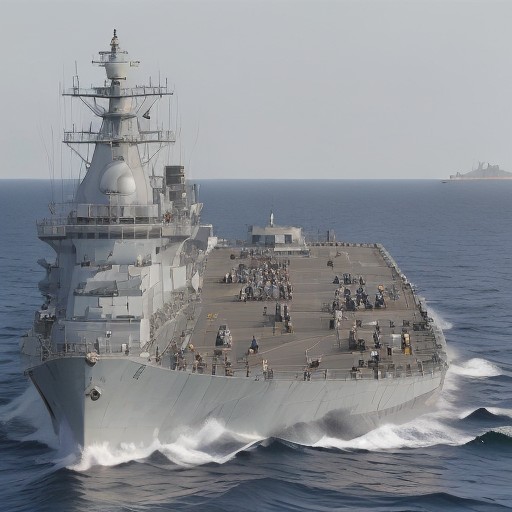
Setting Sail into the Future: The Indian Navy’s Modernization Journey
As of November 25, 2024, the Indian Navy is navigating through a transformative phase marked by modernization and enhanced operational capabilities. With an eye on the horizon, it is not just about defending territorial waters, but also about establishing a formidable presence in the Indo-Pacific region. The navy’s recent activities reflect a serious commitment to evolving from a regional force into a global maritime power.
Dual-Air Carrier Operations: A Historic Milestone
One of the most striking developments in the Indian Navy’s recent history is the successful execution of dual-air carrier operations involving the INS Vikramaditya and INS Vikrant. Conducted in June last year, this exercise is a testament to India’s growing naval prowess. The ability to coordinate operations between two aircraft carriers is not merely a show of force; it signifies a leap in operational readiness and strategic depth.
Such operations provide a significant tactical advantage, enabling the navy to launch simultaneous air missions, enhance aerial coverage, and maintain sustained operational capabilities. This newfound capability raises questions about the regional balance of power and the implications for India’s maritime rivals. Could this be a precursor to a larger strategy aimed at countering adversaries in the Indian Ocean Region?
A Record-Breaking Budget: The Path to Modernization
The Indian Navy has been allocated a staggering capital budget of Rs 61,000 crore for the current year, marking the highest ever in its history. This financial commitment underscores the seriousness of the Indian government in modernizing its naval forces and boosting indigenous capabilities.
With this record budget, the navy aims to not only upgrade its existing fleet but also invest in advanced technologies and systems. The focus on indigenization is particularly noteworthy, as it aligns with the government’s push for self-reliance in defense production. However, this raises the question: can India sustain this momentum without compromising on quality and timely delivery of its naval assets?
Upcoming Deals: A Game-Changer for Naval Power
In addition to its transformative budget, the Indian Navy is poised to finalize three significant deals worth Rs 1.25 trillion by the end of FY 2025. These deals are expected to bolster the navy’s capabilities further and enhance its operational readiness.
But what does this mean for India’s strategic positioning? With regional tensions simmering, particularly with China and Pakistan, these procurement initiatives are seen as essential steps toward ensuring maritime security.
There is speculation that these acquisitions could lead to a significant shift in naval strategies, with the potential to alter the dynamics of power in the Indian Ocean. The implications of such a buildup are profound and could spark an arms race in the region, raising concerns among neighboring countries.
Interoperability and Tri-Service Collaboration
In a groundbreaking move, the Indian Navy successfully conducted the Antariksha Abhyas 2024 exercise as part of a broader tri-service initiative. This coastal defense exercise aimed to enhance interoperability and foster mutual understanding between the navy, army, air force, and the Defence Space Agency.
Such exercises are crucial in today’s complex security environment. They not only improve operational synergy but also ensure that the armed forces can respond effectively to emerging threats. The collaboration highlights the importance of a cohesive defense strategy in maintaining national security. However, the success of such initiatives also raises questions about the existing bureaucratic hurdles that could impede rapid operational readiness.
Strengthening Maritime Relations: A Port Call with Oman
On October 5, the Indian Navy made a significant port call in Oman, marking a step forward in enhancing maritime defense relations. This move is part of India’s broader strategy to strengthen ties with key partners in the region, crucial for maintaining a robust maritime security framework.
As India seeks to expand its influence in the Gulf region, the implications of this port call are far-reaching. Strengthening ties with Oman not only provides India with strategic footholds but also enhances its ability to respond to threats and challenges in the Arabian Sea. But what about the reactions from other regional players? Could this lead to heightened tensions with rival nations who may view this as a direct challenge to their maritime interests?
Tech Partnerships: The MQ-9B Predator Drones
In a significant development, India has agreed with the United States to establish a maintenance, repair, and overhaul facility for 31 MQ-9B Predator armed drones. This deal reflects a growing defense partnership between the two nations and highlights India’s commitment to modernizing its aerial capabilities.
The introduction of these drones into the Indian Navy’s arsenal would not only enhance surveillance and reconnaissance capabilities but also provide a critical edge in modern warfare. Yet, the reliance on foreign technology raises concerns about sovereignty and the long-term implications of such partnerships. Are we risking our strategic autonomy in the pursuit of modern capabilities?
Conclusion: A New Dawn for the Indian Navy
The Indian Navy’s recent advancements in dual-air carrier operations, unprecedented budget allocations, and strategic partnerships signal a new era of maritime dominance. As it embarks on this ambitious modernization journey, the implications are vast, not just for India but for the entire Indo-Pacific region. The navy’s ability to adapt and respond to emerging challenges will be crucial in ensuring peace and stability in these waters.
As discussions around these developments unfold, the questions remain: Will India succeed in its quest to become a dominant maritime power? How will neighboring countries react to this newfound strength? The future of the Indian Navy is not just about modernization; it’s about redefining India’s place in the global order.


