
Introduction: A New Era for the Indian Navy
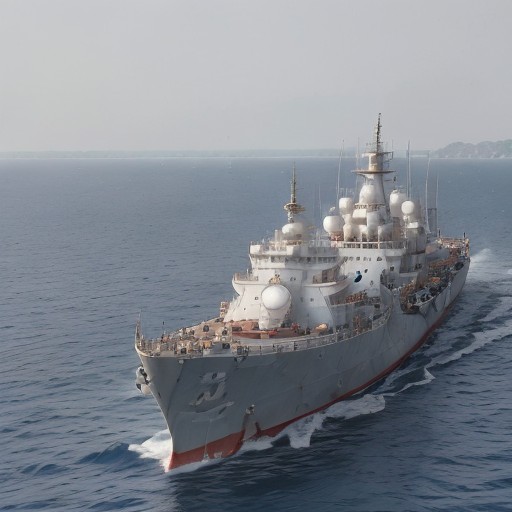
The Indian Navy is sailing into uncharted waters with unprecedented modernization and expansion efforts that are set to transform its operational capabilities and strategic posture. With a capital budget reaching an all-time high of Rs 61,000 crore, the Navy is not just enhancing its fleet but is making significant strides towards becoming a formidable maritime power in the Indo-Pacific region. This article delves into the recent developments within the Indian Navy, exploring the implications for regional security and global maritime dynamics.
Project-75: The Submarine Revolution
At the forefront of the Indian Navy’s modernization is Project-75, which focuses on the construction of six Kalvari-class submarines. The sixth and final submarine is expected to join the fleet soon, marking a critical milestone in India’s underwater warfare capabilities. This initiative not only strengthens the Navy’s deterrence capabilities but also signals a commitment to indigenous defense production.
The importance of submarines in modern naval warfare cannot be overstated. They provide stealth, flexibility, and the ability to conduct operations undetected, making them essential for maintaining maritime security. With the addition of these advanced submarines, the Indian Navy is poised to enhance its operational readiness in the face of evolving threats.
Double the Power: Dual-Aircraft Carrier Operations
In an impressive show of strength, the Indian Navy conducted dual-aircraft carrier operations involving the INS Vikramaditya and INS Vikrant in June last year. This demonstration of naval prowess not only highlights the Navy’s expanding capabilities but also serves as a clear message to regional adversaries about India’s commitment to securing its maritime interests.
The operational synergy between these two carriers reflects a significant leap in India’s naval strategy, showcasing the ability to project power across vast oceanic expanses. With dual-carrier operations, the Navy can effectively respond to a variety of threats, ranging from piracy to regional conflicts, thus enhancing its maritime presence and deterrent posture.
Strengthening Coastal Defense: New Anti-Submarine Warfare Vessels
In a bid to bolster its coastal defense capabilities, the Indian Navy has recently launched two new anti-submarine warfare vessels, named Malpe and Mulki. These vessels are designed to counter the growing submarine threat in the Indian Ocean Region, especially in light of increasing naval activities by neighboring countries.
As tensions rise in the region, the introduction of these sophisticated vessels underscores the Navy’s commitment to safeguarding India’s maritime borders. With enhanced anti-submarine warfare capabilities, the Indian Navy is better equipped to conduct surveillance and protect critical trade routes from potential adversaries.
Nuclear-Missile Submarines: A Strategic Leap Forward
The launch of the fourth nuclear-missile submarine, codenamed S4*, marks a significant milestone in enhancing the Indian Navy’s strategic capabilities. This submarine is expected to be equipped with advanced missile systems, significantly increasing India’s second-strike capability and reinforcing its nuclear deterrent posture.
Furthermore, the Navy has been provided support for the phased induction of control and reporting systems under ‘Project Akashteer,’ aimed at improving situational awareness and air defense control. This focus on nuclear capabilities reflects a broader strategy to ensure that India remains a key player in the regional security architecture.
Operational Readiness: Exercises and Joint Operations
The Indian Navy’s active participation in various exercises, including a recent joint war exercise with the United States, underscores its commitment to enhancing joint military capabilities and counter-terrorism operations. These exercises not only improve interoperability with allied forces but also signal India’s intent to play a more prominent role in ensuring maritime security in the Indo-Pacific.
Additionally, the Navy’s dual-carrier operations and significant naval exercises are a testament to its growing operational readiness. As maritime threats evolve, the Indian Navy is adapting and responding proactively, ensuring that it remains a formidable force in the region.
Modernization Efforts: A Comprehensive Approach
The Indian Navy is undertaking a holistic approach to modernization, which encompasses the induction of new systems, vessels, and technologies. This comprehensive strategy aims to enhance operational capabilities and readiness in an increasingly complex security environment.
Moreover, the Navy’s modernization program is not solely focused on expanding its fleet but also on integrating cutting-edge technology, including advanced surveillance systems, network-centric warfare capabilities, and improved logistics support. This multifaceted approach is essential for maintaining a competitive edge in modern naval warfare.
The Geopolitical Implications: A Maritime Power Shift
The modernization and expansion of the Indian Navy have significant geopolitical implications, particularly in the context of rising tensions in the Indo-Pacific region. As China expands its naval influence, India’s naval capabilities are increasingly viewed as a counterbalance to potential aggression.
Moreover, the Indian Navy’s growing capabilities could shift the balance of power in the region, prompting neighboring countries to reassess their own naval strategies. This could lead to an arms race in the region, as nations seek to bolster their maritime capabilities in response to India’s advancements.
Public Perception and Controversies
While many view the Indian Navy’s modernization efforts as a necessary step towards ensuring national security, there are concerns regarding the potential escalation of tensions in the region. Critics argue that an arms buildup could provoke adversaries and lead to an unstable security environment.
Additionally, there are questions surrounding the transparency of defense spending and the allocation of resources towards modernization. As the Indian government prioritizes defense, public discourse around budget allocations and the impact on social programs becomes increasingly pertinent.
Conclusion: Navigating the Future
The Indian Navy’s modernization and expansion efforts represent a pivotal moment in the evolution of maritime power dynamics in the Indo-Pacific region. As India strengthens its naval capabilities, the implications for regional security are profound, necessitating a careful balance between deterrence and diplomacy.
As the world watches, the Indian Navy is set to play a crucial role in shaping the future of maritime security, ensuring that India remains a key player in the evolving geopolitical landscape. In this new era of naval power, how India navigates its path will be critical not just for its own security, but for the stability of the entire region.


