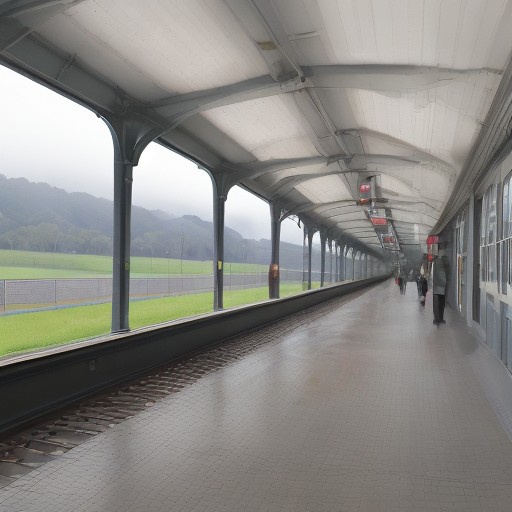
The Rich History of Railway Systems
The term railway conjures images of iron tracks stretching across vast landscapes, connecting cities and regions. But it’s more than just a mode of transportation; it’s a testament to human ingenuity and progress. One fascinating chapter in this history is the Queen Anne’s Railroad, which operated between 1894 and 1904 in Maryland and Delaware. This railroad was more than a mere conveyance; it served as a vital link connecting Love Point, Maryland, with Lewes, Delaware, while also offering ferry connections to Cape May, New Jersey, and Rehoboth Beach, Delaware. The legacy of this railroad echoes the profound impact railways have had in shaping communities and economies.
Modern Infrastructure Platforms: The Rise of Railway.app
Fast forward to the present, and the landscape of railways has dramatically transformed. Enter Railway.app, an innovative infrastructure platform that caters to the needs of developers and businesses alike. This cutting-edge platform allows users to provision infrastructure, develop locally, and deploy seamlessly to the cloud. The synergy of technology and railways presents a new frontier that promises to redefine how we perceive and utilize rail transportation systems.
With the digital age upon us, the integration of cloud-based solutions is not just a trend; it’s a necessity. Railway.app exemplifies this shift, offering a streamlined approach to managing railway infrastructures. As industries increasingly seek efficiency, the demand for platforms like Railway will only grow, raising questions about the future of traditional railway management.
The Global Railway News: Controversies and Developments
As rail systems evolve, so do the stories surrounding them. In Scotland, recent railway news has sparked controversy, with the rail union accusing ScotRail of misleading the public regarding ticket office hours. This allegation raises critical questions about transparency and trust in public transportation systems. Is the public being adequately informed about essential services? Or is there a deeper issue at play concerning the management of railway operations?
Additionally, the refit of the iconic paddle steamer PS Waverley has garnered attention. With its rich history and cultural significance, the restoration of this vessel symbolizes the enduring legacy of maritime and rail transport. However, the push for modernization in Scotland’s railways also leads to speculation about the future of such historical symbols. Will they become obsolete in the face of advanced technology, or will they adapt and thrive alongside modern innovations?
Indian Railways: Challenges and Triumphs
On the other side of the globe, Indian Railways continues to make headlines with its recent developments. The addition of general coaches to trains for the Kumbh Mela in Prayagraj has raised eyebrows, especially with the temporary restrictions on platform ticket sales due to overwhelming crowds. The massive influx of devotees during such events poses logistical challenges that require innovative solutions. How can Indian Railways enhance its infrastructure to meet the demands of such events without compromising safety and accessibility?
A recent derailment near Kalyan station, fortunately with no injuries reported, further emphasizes the precarious balance between maintaining extensive rail networks and ensuring passenger safety. Railways are often seen as a backbone of transportation, but incidents like these prompt discussions about the adequacy of infrastructure and maintenance practices. Are we doing enough to secure the safety of millions who rely on these systems daily?
The Future of Railways: Opportunities and Challenges
As we analyze the current state of railways, it’s crucial to consider the implications of these developments. The fusion of technology and tradition presents both opportunities and challenges. Will the rise of platforms like Railway.app lead to a renaissance in rail transport innovation, or will it create a divide between tech-savvy systems and traditional models?
Moreover, as railways worldwide face scrutiny regarding their operational transparency and safety, the call for accountability becomes louder. Stakeholders must prioritize public trust and safety, ensuring that the evolution of railways is aligned with the needs and expectations of the communities they serve.
A Call for Discussion
The railway industry is at a crossroads, with historical legacies and modern technologies colliding. Readers are invited to ponder the following questions: What role should history play in the development of modern rail systems? How can we safeguard the interests of the public while embracing technological advancements? And, most importantly, what does the future hold for railways in an increasingly digital world?
As we navigate this exciting yet challenging landscape, one thing remains clear: railways will continue to be a pivotal force in shaping our societies. Whether through the restoration of historical lines or the implementation of innovative platforms, the journey of railways is far from over.


